Learn Cape Malay Cooking in Bo-Kaap: Best Classes, Costs and Spice Shopping
Discover hands-on Cape Malay cooking classes in Bo‑Kaap, compare home kitchens and studios, see what’s on the menu, halal notes, and where to buy spices.
Bo-Kaap’s pastel streets are more than a pretty postcard. They’re home to a living food culture shaped by centuries of spice trade, migration, and family recipes passed from one generation to the next. If you’ve ever wanted to master a fragrant Cape Malay curry, fold a perfect samoosa, or sizzle a paper-thin roti, Bo-Kaap is the place to learn it from the source.
This guide compares reputable home-kitchen and studio classes, breaks down typical menus and pricing, explains halal considerations, and pinpoints the best spice shops for gifts and pantry treasures to take home.
Why Cape Malay cuisine is special
Cape Malay food reflects Southeast Asian and East African influences braided into Cape Town’s local produce. Expect aromatic blends (coriander, cumin, fennel, cardamom, cinnamon), gentle heat, sweet-savoury balance, and slow, layered flavours rather than blow-your-head-off spice.
- Signature traits: whole spices bloomed in oil, turmeric-tinted gravies, tamarind or apricot for tang, and the perfume of cinnamon and cloves.
- Community roots: Bo-Kaap’s kitchens are intergenerational spaces where recipes are taught by feel—pinches, handfuls, and stories included.
Home-kitchen vs studio classes: what suits you?
Both formats are rewarding, but they feel different. Here’s the quick comparison to help you choose.
- Home-kitchen classes
- Immersion: Cook in a family kitchen in Bo-Kaap; meet the host, learn about daily life, and hear the stories behind each dish.
- Group size: Usually small (4–10 guests), with lots of hands-on moments—rolling rotis, folding samoosas, mixing masalas.
- Flexibility: Menus often adapt to dietary needs; timing can include a short neighbourhood walk and spice stop.
- Good for: Travellers who value cultural context and intimate instruction.
- Studio classes
- Setup: Purpose-built kitchen or culinary studio, sometimes just outside Bo-Kaap but drawing on the same culinary tradition.
- Predictability: Clear stations, set menus, and efficient pacing—ideal if you prefer structure.
- Capacity: Can handle larger groups; good for families, teams, or friends travelling together.
- Good for: Learners who like space, equipment at the ready, and a straightforward format.
Reputable classes to consider (and how they differ)
Below are well-regarded names long associated with authentic Cape Malay cooking experiences. Schedules and prices change—confirm details when you book.
- Bo-Kaap Cooking Tour (home-kitchen)
- What it’s like: A friendly, guided peek into Bo-Kaap life followed by a hands-on class in a local home. You’ll typically learn a curry base from scratch, make rotis, fold samoosas, and prepare a sambal or atchar.
- Typical duration: 2.5–4 hours.
- Indicative cost: From about R1,000–R1,600 per person for shared groups; private options cost more.
- Good to know: Often includes a neighbourhood walk and spice orientation before you cook.
- Faeeza’s Home Kitchen (home-kitchen)
- What it’s like: Warm, personal instruction in a well-loved Bo-Kaap family kitchen. Menus often include chicken or vegetable curry, rotis, dhaltjies (chilli bites), and sometimes a sweet treat like koesisters.
- Typical duration: 3–4 hours.
- Indicative cost: Around R950–R1,400 per person for small groups; private rates on request.
- Good to know: Expect generous tastings, practical tips, and recipes you can actually repeat at home.
- Cape Fusion Tours (studio or hosted format)
- What it’s like: A more expansive food experience that may pair a market walk with a structured class drawing on Cape Malay flavours. Formats range from intimate to team-friendly.
- Typical duration: Half-day.
- Indicative cost: From roughly R1,800–R3,000+ per person depending on format and group size.
- Good to know: Great for travellers who want a broader culinary overview while still mastering key Cape Malay techniques.
If you’re browsing major booking platforms, you’ll also find “Malay Cooking Class & Lunch in Bo-Kaap” offerings with high ratings. These usually mirror the formats above: short walk, spice talk, then a hands-on session and shared lunch. Check whether your pick is in a private home or a studio so expectations match reality.
What’s on the menu (and why)
While menus vary by host and season, you’ll commonly learn:
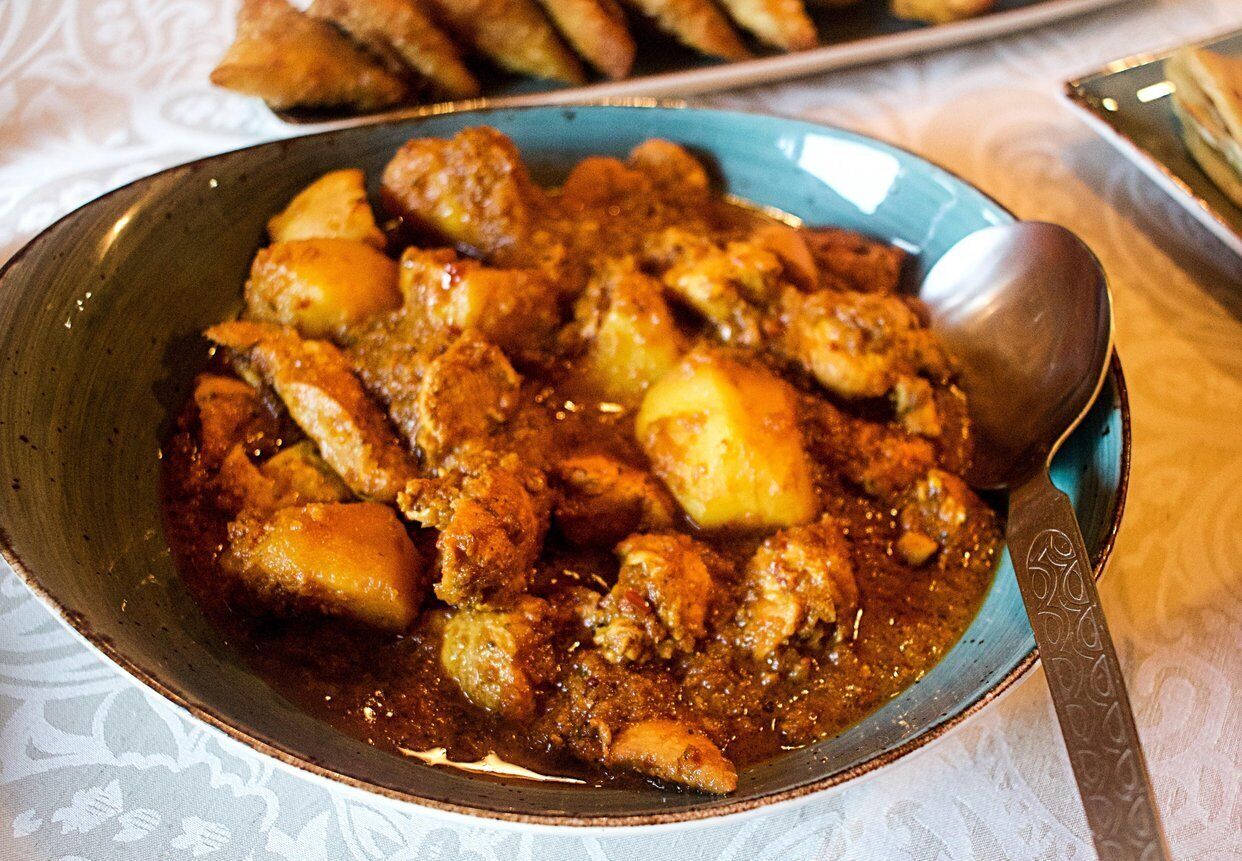
- Cape Malay curry: Often chicken or vegetable. Expect whole spices (bay, cardamom, cinnamon), aromatics, tomato, and a turmeric-forward masala. The result is fragrant, balanced heat rather than fiery.
- Rotis (also called rooti): Paper-thin, soft flatbreads laminated with oil or butter, perfect for tearing and scooping.
- Samoosas: Crisp triangular pastries filled with spiced mince, potato, or lentils. The folding technique is half the fun.
- Dhaltjies (chilli bites): Fritters spiked with chilli, cumin, and chopped greens—a favourite snack.
- Sambal or atchar: Fresh onion-and-tomato sambal for crunch, or a tangy pickle to cut through richness.
- Sweet finish: Koesisters (spiced, syrup-dipped doughnuts rolled in coconut) or boeber (a cardamom-scented milk dessert with vermicelli or sago) appear in some classes.
Vegetarian variations are common, and many hosts can pivot to vegan if you ask in advance.
Costs, inclusions and timing
- Group classes: Usually R950–R1,600 per person, including ingredients, instruction, and a sit-down meal. A short walking tour or spice briefing may be bundled in.
- Private classes: Frequently R1,800–R3,500+ per person depending on exclusivity, menu complexity, and add-ons (market visits, extra courses, transport).
- Duration: 2.5 to 4 hours for most sessions. Morning starts are popular so lunch is your reward.
- Booking: Secure your spot at least a few days ahead in peak seasons (December–March, long weekends). Ask for confirmation of venue (home or studio), group size, and dietary arrangements.
- Tipping: Not mandatory, but if your host went above and beyond, a gratuity of 10–15% is appreciated.
Prices are indicative and can change—always check the latest when you book.
Halal and dietary notes
Bo-Kaap is a predominantly Muslim neighbourhood and many home kitchens are halal-friendly by default. Still, it’s wise to:
- Ask specifically about halal certification or adherence if it’s essential to you.
- Confirm no alcohol is used (Cape Malay cooking doesn’t require wine) and request vinegar-based tang if needed.
- Share allergies early—especially to nuts, sesame, gluten, or shellfish. Much of the cuisine can be adapted.
- Request vegetarian or vegan menus in advance; hosts can centre the class on vegetables, pulses, and roti.
Dress modestly, be mindful around prayer times (Fridays at midday), and always ask before photographing people.
Where to buy spices in and around Bo-Kaap
Bring an extra pouch in your luggage—you’ll want to stock up. Top picks within walking distance of Wale Street include:
- Atlas Trading Company (Bo-Kaap)
- Why go: An institution for whole and ground spices, masalas blended on site, dried chillies, lentils, basmati, rose water, and more. Prices are good and quantities range from tiny packets to bulk.
- What to buy: Cape Malay curry powder (mild or medium), roasted masala, biryani mix, fennel and coriander seeds, cassia sticks, cardamom pods, turmeric, star anise, and boeber mix if you spot it.
- Tip: Ask staff to help you build a balanced starter set for a classic curry base, and to seal packets well for travel.
- Spice Mecca (CBD, a short walk from Bo-Kaap)
- Why go: A comprehensive spice brand with blends, flavourings, essences (like rose and almond), and halal pantry staples.
- What to buy: Ready-made masalas for quick weeknight cooking, falooda mix, and baking spices.
- Local delis and corner shops (Bo-Kaap)
- Why go: For last-minute koesisters, atchar, or a bottle of Mrs Ball’s chutney to pair with your curries.
Travel tip for flying with spices:
- Keep everything sealed and clearly labelled in original packaging.
- Double-bag powders and keep them in your checked luggage to avoid extra screening.
- Most countries allow dried spices and teas for personal use; avoid meat products and fresh produce, and check your home country’s customs rules before you shop big.
Practical tips for your class day
- Timing: Morning starts are best for good light on the colourful streets and to finish with a hearty lunch.
- What to wear: Comfortable, modest clothing and closed shoes; aprons are usually provided.
- Hands-on mindset: You’ll chop, knead, roll, and fry—come ready to cook, not just watch.
- Family-friendly: Many hosts welcome children who can safely help with folding samoosas or mixing dough. Confirm minimum ages.
- Respect: Bo-Kaap is residential. Keep sidewalks clear, ask before photographing homes and people, and lower your voice during prayer calls.
- Getting there: It’s a safe, short ride by metered taxi or ride-hailing app from the City Bowl and Waterfront. If you’re driving, arrive early to find street parking on or near Wale Street; avoid blocking driveways. MyCiTi buses stop along the CBD a walk away—check current routes.
A half-day Bo-Kaap food plan
- 09:00 – Coffee in the City Bowl, then stroll up Wale Street to Bo-Kaap.
- 09:30 – Quick visit to a local spice merchant to smell, compare, and talk blends with the staff.
- 10:00 – Hands-on Cape Malay cooking class in a home kitchen or studio.
- 12:30 – Sit down to your feast; swap stories with your host and classmates.
- 13:30 – Return to the spice shop to buy what you now know how to use: curry blends, garam masala, whole spices, and boeber mix.
- 14:00 – Photo wander along Chiappini and Rose Streets and a sweet stop for koesisters if it’s the right day.
Where to stay nearby
Base yourself within easy reach of Bo-Kaap so you can walk or take a 5–10 minute ride to class and shopping. PrimePlaces offers an ideal City Bowl spot:
- Walk to the V&A Waterfront from a Charming Apartment — A stylish, self-catering one‑bedroom close to the Waterfront, De Waterkant, and Bo-Kaap. Perfect if you’re planning an early class and afternoon spice run.
Prefer ocean views with quick access to the MyCiTi bus into town? Our Milnerton stays are an easy base for a cook-and-explore day in Bo-Kaap.
Bringing Bo-Kaap flavour home: a starter kit
If luggage space is tight, these compact essentials punch above their weight:
- Whole spices: cinnamon sticks, cardamom pods, cloves, bay leaves.
- Seeds: coriander, cumin, fennel, mustard.
- Ground: turmeric, chilli powder.
- Blends: Cape Malay curry powder (mild/medium), garam masala, biryani mix.
- Nice-to-haves: rose water, boeber mix, atchar.
When you’re back home, follow your host’s sequence: bloom whole spices in oil, add aromatics, stir in ground spices briefly, then build your gravy with tomato and a splash of water—low and slow for that comforting, layered flavour.
Final word
A Bo-Kaap cooking class is more than a recipe tutorial—it’s a window into community, memory, and Cape Town’s spice-scented soul. Choose the format that matches your style (homey immersion or studio polish), confirm halal and dietary needs up front, and leave room in your bag for Atlas Trading’s finest. Your next dinner party will thank you.