Milnerton Golf Club Guide: Oceanfront Holes, Wind & Booking
Everything you need to play Milnerton Golf Club: links‑style ocean holes, smart wind strategy, how to book visitor tee times, and where to stay nearby.
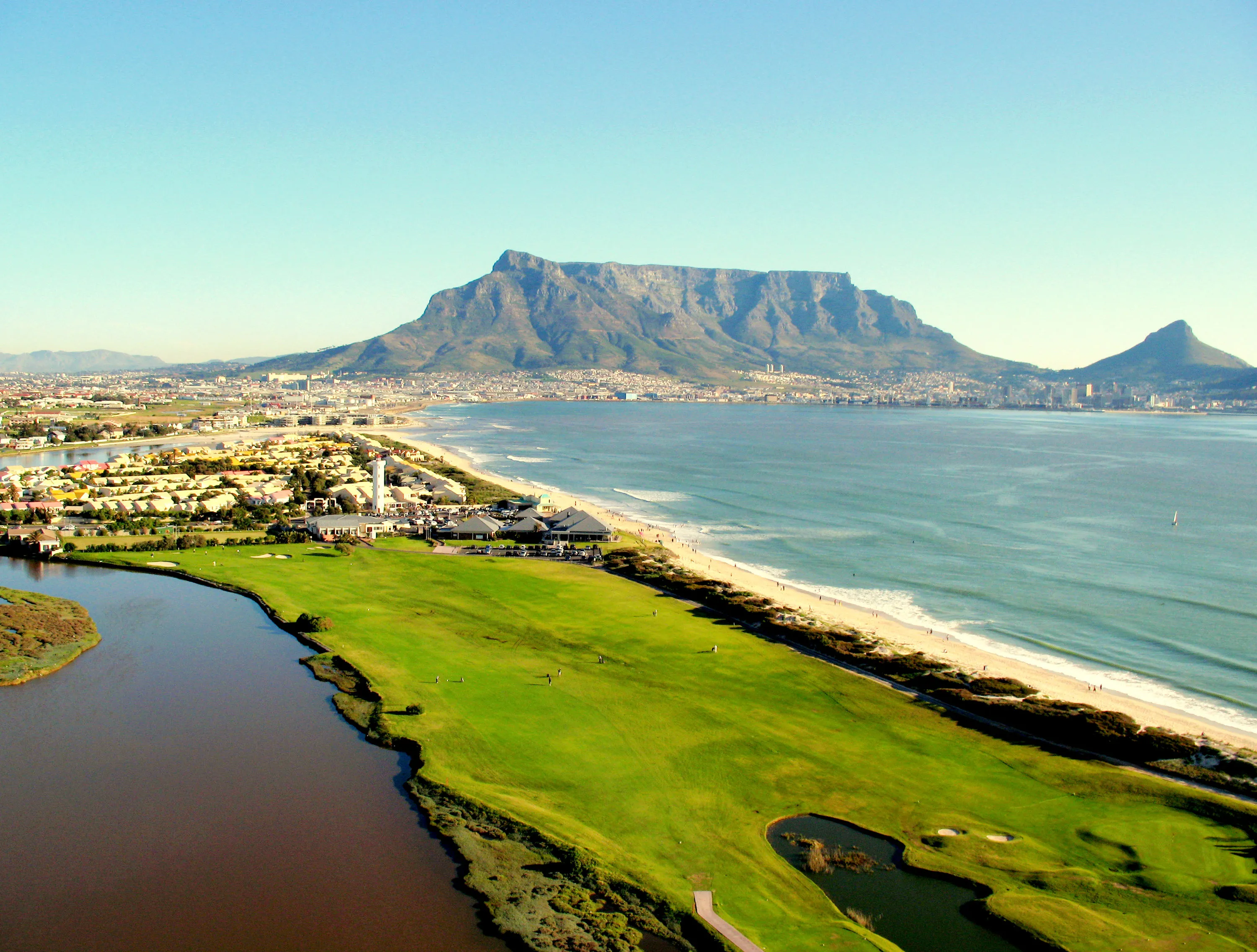
Milnerton Golf Club serves up one of Cape Town’s most photogenic rounds: sweeping Atlantic views, the Rietvlei Lagoon on your other flank, and Table Mountain framed behind nearly every swing. Ten minutes north of the city and a short stroll from Woodbridge Island’s lighthouse and beach, this classic coastal layout rewards thoughtful shot-making and a cool head when the wind kicks up.
Whether you’re adding a single round to a city break or planning a golf‑centric stay on Table Bay, here’s exactly what to expect—and how to secure visitor tee times, understand green fees, and arrange rental clubs with zero stress.
Course snapshot: a coastal links feel without the fuss
- Setting: Atlantic Ocean to the west, Rietvlei Lagoon/Diep River system to the east—true seaside golf with skyline drama.
- Routing: 18 holes, par 72, roughly 6,101 metres from the tips. The fairways are Kikuyu; greens are a Poa/Bent blend, offering year‑round playability.
- Character: Flat, fast‑running in dry spells, with ocean breezes shaping club selection. Expect firm bounces downwind and grabby Kikuyu lies around the greens—two different short games in one round.
- Access: About 10 minutes north of central Cape Town; the course sits on the convenient MyCiTi bus route between Table View and the City.
What feels distinctly “links” here isn’t towering dunes or wispy fescue. It’s exposure to the elements, the oceanfront run of holes, and the way the breeze dictates your line, trajectory and spin. If you love plotting a round, this is your playground.
What the wind is doing—and how to play it
Cape Town has two dominant winds:
- Summer (roughly Oct–Mar): the South‑Easter, often building through the day.
- Winter (roughly Apr–Sep): the North‑Wester, typically stronger with passing fronts.
At Milnerton the outward nine often plays with the prevailing breeze at your back, while the inward half turns you into it. On calm mornings you can fire at flags; on lively afternoons you’ll need trajectory control and patience. Practical tactics:
- Flight it down: Use three‑quarter swings and one extra club into the wind; choke down and keep tempo smooth.
- Shape to suit: A controlled draw can hold its line into a right‑to‑left crosswind; a gentle fade counters a left‑to‑right.
- Manage spin: Into the breeze, avoid high‑spin wedges—consider a bump‑and‑run with a 7‑ or 8‑iron from tight approaches. Downwind, land it short and let it release.
- On the greens: Wind affects putts. Play a touch more break and firm up short putts to keep the ball on line.
- Club on the tee: Long par 4s into the wind may require a fairway wood second. Downwind par 5s become birdie chances—swing within yourself to keep it on short grass.
Hole‑by‑hole highlights to sharpen your round
While every hole earns its keep, a few features help first‑timers settle in:
- The opener (Par 4): The 1st and 18th fairways form a wide shared corridor. Long hitters can be aggressive—crossing the 18th fairway is permitted—but the smart play is a positional tee shot that sets up a stress‑free wedge.
- Ocean‑edge tees: The 3rd and 5th tee boxes sit close to the Atlantic. Club for the breeze you feel on the tee, not the last breathless lull—gusts funnel along the shore.
- The variable 6th: Played as a par 5 in competitions and a par 4 on other days, this hole flips personality with the scorecard—and the wind. Into a breeze, lay up to a favourite number; downwind, pick a landing that stays short of trouble and use the firm ground.
- The turn and the test: Before you head homeward, you’ll face the course’s toughest‑rated hole. Don’t chase a number—play to the fat of the fairway, leave a yardage you like, and treat a par as a small victory.
- Homeward grind: The inward nine typically brings the wind into play. Stay committed off the tee: pick precise intermediate targets and accept that a solid bogey can beat a scrappy double.
Pro tip: From multiple points on the back nine, you’ll catch picture‑perfect alignments of Table Mountain beyond the lighthouse. Keep a phone handy, but don’t let the view lure you into a risky shot.
Conditioning and club selection cues
- Fairways (Kikuyu): The ball sits up nicely but can grab the club in the rough. Use a touch more speed through impact from semi‑thick lies.
- Greens (Poa/Bent): Generally true but can firm up with wind and sun. Downwind approaches release more than you expect; into the wind, spin will check sharply.
- Around the green: Tight collars reward low‑running chips. Practise a bump‑and‑run on the warm‑up area so you’re not forced into high‑risk flops in the breeze.
Booking visitor tee times: the easy, reliable way
- Book direct online: The club’s official website hosts an up‑to‑date timesheet. Choose the Visitor/Non‑Member option, select your slot, and receive immediate confirmation.
- Prefer human help? Call or email the pro shop for advice on wind windows, current course works, or to pair up as a single.
- When to book: Weekends and late‑morning summer slots fill fast. Aim to reserve 7–14 days ahead in peak months (Dec–Mar) and at least a few days ahead the rest of the year. For the calmest air, chase early‑morning tee times.
- Handicap proofs: International visitors are welcome. If you carry a digital handicap, bring it; if not, you can still book—just choose tees that suit your game.
- Dress code: Collared shirts, tailored shorts or trousers, golf shoes with soft spikes. Clubhouse attire is casual‑smart.
Green fees, carts and caddies: what to expect
- Green fees: Rates vary by season, day of week, time of day and visitor category. Expect dynamic pricing with occasional twilight value. Check the club’s website or pro shop for current visitor, affiliated, junior and twilight rates.
- Carts and trolleys: The course is very walkable. Pull trolleys are commonly available to hire; motorized carts are limited and should be pre‑booked if required.
- Payments and check‑in: Arrive at least 30 minutes early to settle green fees, hire gear, and loosen up on the practice facilities.
Rental clubs in Cape Town: simple options
- Pro shop sets: Enquire when you book your tee time; the pro shop can advise on current inventory (right‑ and left‑handed, men’s/women’s, steel/graphite, flex options) and pricing. Ask what’s included—some packages bundle balls and tees.
- Third‑party rentals: Cape Town has specialist companies that deliver full sets to your accommodation or directly to the course. Book 48–72 hours in advance in peak season and specify handedness, shaft flex and putter style.
- Shoes and extras: Bring your own spikeless shoes if you can. If you’re renting clubs, pack your glove, a few high‑visibility balls for windier days, and a lightweight rain/wind shell.
Getting there and pre‑round logistics
- Driving: About 10 minutes from the CBD in light traffic; allow 20–30 minutes at rush hour. On‑site parking is straightforward.
- MyCiTi bus: The course lies on the convenient route linking Table View and the City. It’s a budget‑friendly alternative if you’re based along the Atlantic coast corridor.
- Ride‑hailing: Quick and reliable from the Waterfront, Sea Point and City Bowl.
- Warm‑up: Use the short‑game and putting areas to dial in bump‑and‑runs and wind‑affected putts. Prioritise speed control on the practice green.
After your round: lighthouse views and sundowners
- Clubhouse deck: Toast your card with sweeping views of Table Mountain and the Atlantic. It’s one of the city’s most underrated 19th holes.
- Woodbridge Island wander: Stroll the beach boardwalk, watch kites dance over the surf when the South‑Easter blows, and photograph the wooden bridge—now a protected heritage landmark.
- Birdlife and lagoon: Look for herons and cormorants along the lagoon at golden hour.
Where to stay nearby (short‑stay and self‑catering)
Play a morning round, hit the beach by afternoon, and fall asleep to the sound of the surf—all without leaving Milnerton. PrimePlaces manages ocean‑view apartments perfectly positioned for golfers:
- Large Apartment Stunning Ocean Views. Spacious two‑bed on the Milnerton beachfront with sweeping Table Mountain vistas—ideal for two golfers or a foursome sharing.
- Amazing Ocean Views from Every Room. A bright, modern two‑bed where you can watch the whitecaps and plan your wind strategy with morning coffee.
- Postcard Views of Table Mountain. Generator for elevator. Reliable comfort and iconic panoramas a short hop from the course and Woodbridge Island’s lighthouse.
Each is a serviced, self‑catering base with easy access to the fairways, the beach and the MyCiTi bus—no car needed if you prefer a car‑free stay.
Smart first‑timer strategy (save strokes quickly)
- Pick the right tees: Let the wind, not your ego, choose your yardage. A step forward on a gusty day equals more greens and more fun.
- Favour the fat side: Aim for the spacious half of every green. The Atlantic cross‑breeze makes short‑siding brutal.
- Lag putt practice: Spend five extra minutes before your round on 30‑ to 40‑foot putts. You’ll thank yourself by the 12th.
- Embrace the ground game: When it’s breezy, a low chip that releases is the highest‑percentage play.
- Keep tempo: Quick swings balloon shots. Smooth rhythm pierces wind and holds lines.
Sample half‑day golf plan
- 06:45 Arrive, check in, and warm up on the putting and chipping greens.
- 07:30 Tee off while the wind is still gentle; enjoy crisp ocean air on the outward nine.
- 10:45 Finish at the clubhouse and settle into the deck for a late breakfast with Table Mountain views.
- 12:00 Beach stroll to the lighthouse and the restored wooden bridge on Woodbridge Island; grab photos of kitesurfers if the South‑Easter is up.
- 14:00 Back to your apartment for a siesta, then sunset drinks with the Atlantic front and centre.
Essential FAQs
- Do I need a handicap? Visitors are welcome. A handicap helps with tee selection but isn’t mandatory.
- Best time to play? Early mornings for calmer air. In summer, book the first wave to beat the South‑Easter.
- Are there rental clubs? Yes—ask the pro shop when booking; third‑party delivery is also common in Cape Town.
- Walk or ride? Walking suits the course. Reserve a cart in advance if you prefer to ride or have mobility concerns.
- Are there practice facilities? There are short‑game and putting areas for warm‑up; arrive early to make use of them.
Why Milnerton belongs on your Cape Town golf list
- Oceanfront golf minutes from the city, with bucket‑list views.
- A strategic, wind‑shaped test that rewards creativity more than brute force.
- Easy logistics: straightforward online booking, accessible transport, and quality short‑stay apartments on the same stretch of coast.
From the shared 1st/18th corridor to the ocean‑kissed tees and that stern pre‑turn challenge, Milnerton Golf Club offers a round you’ll remember for more than the score. Book your slot, pack a wind shell, and let the Atlantic soundtrack your next Cape Town fairway walk.