Add a 3‑Day Walking Safari at Gondwana to Your Cape Town Itinerary
Swap game-drive vehicles for boots-on-ground tracking. Here’s how to add a 3‑day guided walking safari at Gondwana Game Reserve to your Cape Town trip—transfers, distances, wildlife, costs and packing list included.
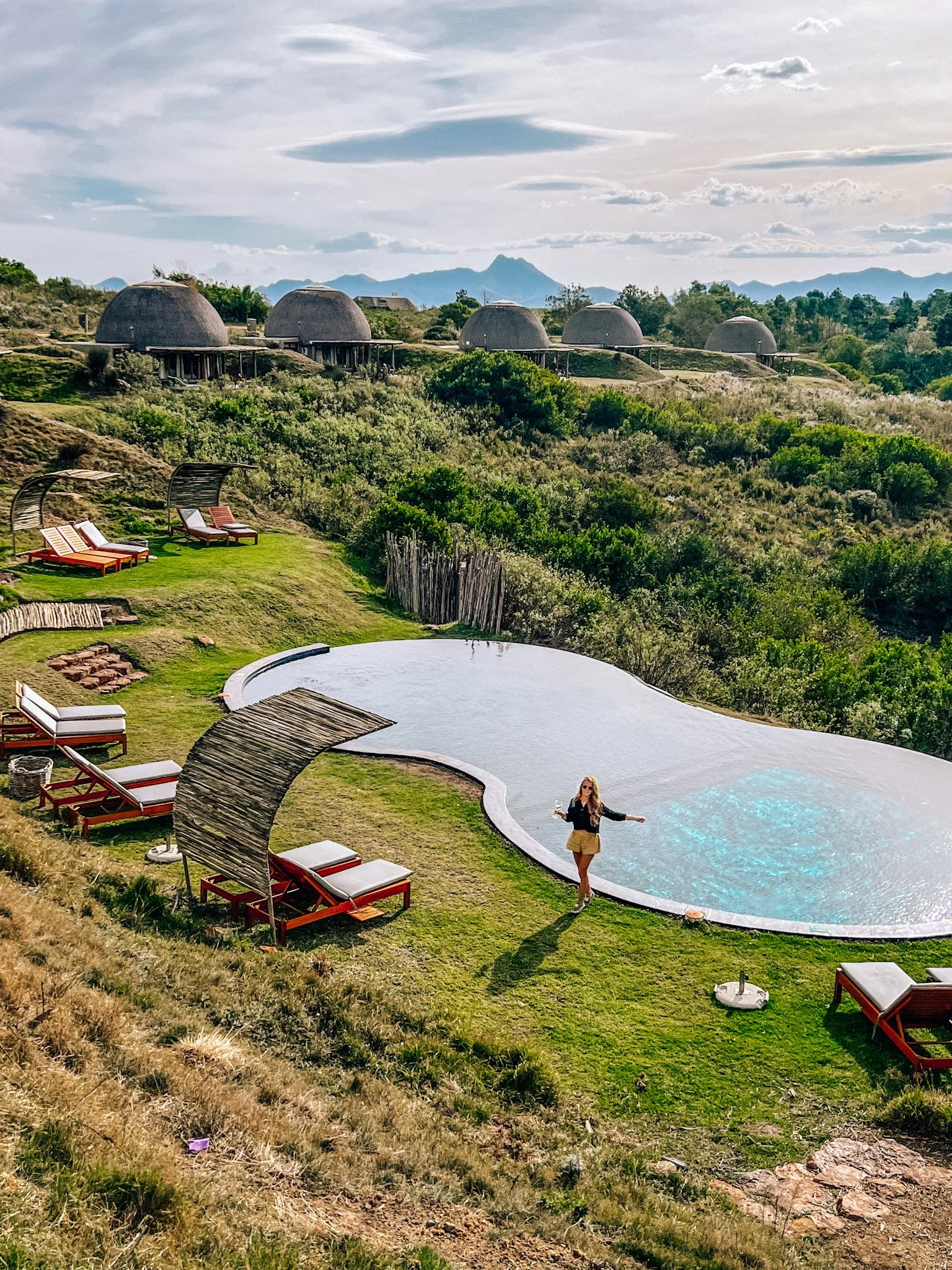
Why add a walking safari to a Cape Town trip?
Cape Town spoils you with mountains, oceans and wine estates—but a guided walking safari adds something no city can: the quiet thrill of tracking wildlife on foot in Big Five country. Gondwana Game Reserve, set in the fynbos‑rich hills above Mossel Bay on the Garden Route, is one of South Africa’s few malaria‑free Big Five reserves within easy reach of Cape Town. Over three days you’ll hike between mobile camps or set out from a base camp with armed guides, learning to read the bush while keeping a respectful distance from large game. It’s immersive, low‑impact and surprisingly accessible from the Mother City.
This guide breaks down exactly how to make it work: getting there from Cape Town, how far you’ll walk each day, what animals you can realistically expect to see on foot, how much to budget, and what to pack for comfort and safety.
Where is Gondwana and how far is it from Cape Town?
Gondwana Game Reserve lies inland of Mossel Bay on South Africa’s Garden Route in the Western Cape. From central Cape Town, the reserve gate is roughly 390–430 km by road, depending on your route and departure point. Expect 4.5–5.5 hours’ drive without long stops. The nearest airport is George (GRJ), about 60 km away; the transfer from George Airport to Gondwana typically takes 45–60 minutes.
Best ways to transfer from Cape Town
Choose the option that suits your time, budget and appetite for self‑drive:
- Self‑drive via the N2 (most flexible)
- Route: Cape Town → Sir Lowry’s Pass → Caledon → Swellendam → Mossel Bay → inland to Gondwana.
- Time/Distance: 4.5–5.5 hours; 390–430 km.
- Road notes: The N2 is paved and in good condition. The final 10–15 km inside or near the reserve is on graded gravel; a standard sedan is fine in dry weather, but drive slowly.
- Pros: Cheapest per person, freedom to stop in farm stalls and viewpoints along the Garden Route.
- Cons: Longish day behind the wheel; avoid night driving due to wildlife and glare.
- Fly to George + transfer (fastest overall)
- Flights: Cape Town (CPT) to George (GRJ) are around 50–55 minutes; several daily departures in peak season.
- Transfer: Pre‑arranged lodge transfer or private driver to Gondwana (45–60 minutes).
- Pros: Minimal travel fatigue, maximizes time on safari.
- Cons: Adds flight cost and baggage coordination.
- Private road transfer from Cape Town (door‑to‑door)
- Time: Similar to self‑drive (4.5–5.5 hours) with a comfort stop.
- Pros: No driving; ideal for families or small groups.
- Cons: Pricier than self‑drive; must book well ahead in peak months.
Tip: Whatever you choose, aim to arrive at the reserve by 13:00–14:00 for your safety briefing and an afternoon leg‑stretcher walk.
How a 3‑day walking safari at Gondwana typically runs
Walking programs vary seasonally, but a common format is the Pioneer‑style trail: small groups (usually 4–8 guests) hiking with two armed guides between lightweight, serviced bush camps. Your main luggage is transported by vehicle; you carry only a daypack with water, snacks and layers. Daily rhythms look like this:
- Day 1
- Arrival, briefing and safety protocols.
- Late‑afternoon walk (2–3 hours) to settle into the bush.
- Campfire dinner and early night under vast, starry skies.
- Day 2
- Long morning walk (7–12 km; 3–5 hours) through rolling fynbos, valleys and ridgelines.
- Lunch and siesta at camp; optional shorter afternoon amble for birding and botany.
- Evening debrief on tracks found, with the guides mapping overnight movements of game.
- Day 3
- Final walk (6–8 km; 2–4 hours) focusing on tracking an overnight story—fresh spoor, dung, browsing sign.
- Brunch, shower and road transfer back to trailhead for your onward journey.
Distances and camp‑to‑camp layouts may fluctuate with wildlife movements, wind direction and weather. Expect undulating terrain rather than steep mountain climbs; you’ll cover 13–22 km over the three days at a relaxed, observant pace.
Daily distances, elevation and fitness level
- Distance: 6–12 km per walking session; total 13–22 km over three days.
- Pace: Slow to moderate, with frequent stops to interpret tracks, plants and birdlife.
- Elevation gain: Typically 150–350 m per day; short ups and downs on jeep tracks and game paths.
- Underfoot: Firm sand, fynbos single‑track, occasional rocky patches; could be muddy after rain.
- Fitness: Comfortable for hikers who can walk 3–5 hours with a daypack. Children’s participation is restricted (often 16+); confirm age rules when booking.
What wildlife to expect on foot (and how close you’ll get)
Gondwana is a Big Five reserve (lion, leopard, elephant, rhino, buffalo) and also protects cheetah, giraffe, zebra, hippo and abundant antelope, plus outstanding birdlife. On a walking safari your goal is not proximity to dangerous game—it’s to step into the bush’s storyline. Typical highlights include:
- High‑probability sightings
- Plains game at comfortable distances: zebra, eland, red hartebeest, bontebok, impala.
- Giraffe browsing on valley slopes.
- Rhinoceros middens, elephant feeding sign, fresh buffalo tracks.
- Birds: secretarybird striding across open grassland, Cape sugarbird in flowering proteas, malachite sunbird, jackal buzzard and Denham’s bustard.
- Smaller wonders: leopard tortoise, dung beetles, golden mole tracks, termite mounds.
- Possible but carefully managed encounters
- White rhino or elephant at a safe vantage, using wind and cover to observe without disturbance.
- Lion or buffalo are generally avoided on foot unless conditions allow a secure, distant view; your guides make conservative calls.
Because the Western Cape is malaria‑free, there is no malaria prophylaxis requirement for Gondwana; always consult your travel clinic for the latest health advice.
What it costs: a realistic budget
Rates vary by season, rooming and inclusions. Use these guide ranges and confirm exact pricing for your dates.
- Walking safari package (per person, per night sharing)
- Shoulder/green season: roughly R6,500–R8,500
- Peak season: roughly R8,500–R10,500
- Usually includes: accommodation in serviced trail camps, all meals, hot drinks and selected beverages, guided walks with armed guides, luggage transfers between camps, in‑reserve transfers.
- Common exclusions: conservation levy (budget R400–R650 per person per night), premium beverages, spa treatments, boutique purchases, transport to/from the reserve, and gratuities.
- Getting there
- Self‑drive fuel (return, ~800–860 km): budget R1,600–R2,400 depending on vehicle efficiency and fuel price.
- CPT↔GRJ flights: often R1,000–R2,500 one‑way, season‑dependent.
- George Airport↔Gondwana private transfer: R1,200–R2,000 per vehicle, per way (distance‑based).
- Cape Town↔Gondwana private road transfer: R5,500–R8,500 per sedan, per way; larger vans cost more.
- Tipping guidance (discretionary)
- Guides and tracker team: R250–R400 per guest per day.
- Camp staff/porters (shared pool): R100–R200 per guest per day.
- Travel insurance
- Strongly recommended for medical evacuation and trip interruption; check that walking safaris are covered.
What to pack for a guided foot safari
Aim for quick‑dry, earth‑tone layers and a comfortable, well‑fitted daypack. Soft duffels are preferred for transported luggage.
Essentials for the daypack (15–25 L):
- 2 liters of water (hydration bladder or bottles).
- Sun protection: wide‑brim hat, high‑SPF sunscreen, lip balm, sunglasses.
- Light rain shell and a warm mid‑layer (mornings and wind can be chilly year‑round).
- Snacks (often provided) and personal meds.
- Small first‑aid/blister kit: Compeed, Leukotape, antiseptic wipes.
- Binoculars (8×32 or 10×32 are ideal for walking) and a compact camera.
- Headlamp with spare batteries.
- Buff/neck gaiter for dust and sun.
- Lightweight gloves in winter months.
Clothing and footwear:
- Well broken‑in hiking boots or trail shoes with good grip; merino or technical socks.
- Neutral colors (olive, brown, khaki). Avoid white, bright colors and noisy fabrics.
- Quick‑dry hiking pants/shorts; long sleeves for sun and brush.
- Sleepwear and camp shoes (lightweight trainers or sandals).
- In cooler months (May–Sept): thermal base layer, insulated jacket, beanie.
Other handy items:
- Insect repellent; consider treating clothing with permethrin before travel.
- Personal toiletries; biodegradable wipes.
- Power bank (trail camps may run on solar with limited charging points).
- Small dry bag for electronics in case of rain.
- Copies of travel insurance and ID.
What to leave behind:
- Drones (not permitted in most reserves).
- Heavy long lenses—on foot, weight matters more than reach.
Safety and etiquette on foot
Your guides will brief you thoroughly; the golden rules rarely change:
- Walk in single file and keep voices low; let the bush’s sounds guide your pace.
- Follow hand signals instantly; do not move ahead of the lead guide.
- Keep phones silent; no music or speaker use.
- Never run—even during close encounters, guides will direct calm, controlled retreat.
- Respect the wind: approach viewpoints with wind in your face so your scent doesn’t carry.
- Maintain safe distances; the goal is unobtrusive observation, not proximity.
When to go: seasons and weather
Gondwana’s fynbos landscape is beautiful year‑round. Consider these seasonal nuances when choosing dates:
- Summer (Dec–Mar): Warm to hot, generally dry; long daylight hours and excellent walking conditions. Start early to avoid midday heat.
- Autumn (Apr–May): Mild temperatures, grasses lower after summer; great visibility and fewer crowds.
- Winter (Jun–Aug): Cooler, with occasional rain and wind; landscapes turn emerald and clear after fronts—pack good rain gear.
- Spring (Sep–Nov): Wildflower displays in fynbos, pleasant temps; some changeable weather.
A practical 6‑day plan: Cape Town + 3‑day Gondwana trail
- Day 1: Land in Cape Town, settle into a central base; sunset stroll and dinner on the V&A Waterfront.
- Day 2: City highlights—Table Mountain, Bo‑Kaap and a coastal sundowner.
- Day 3: Early departure for Gondwana (self‑drive or fly to George). Arrive by early afternoon for briefing and a warm‑up walk.
- Day 4: Full walking day; track plains game and learn the fynbos’ medicinal stories around the campfire.
- Day 5: Final morning walk; brunch and transfer back to trailhead. Drive or fly to Cape Town.
- Day 6: Easy recovery day—promenade walk, markets, or a beach morning—before onward travel.
Where to stay in Cape Town before or after your safari
Position yourself for an easy getaway to the N2 and big‑sky sunsets while you repack for the trail:
- For sweeping Table Mountain and Atlantic views in Milnerton: Amazing Ocean Views from Every Room.
- Prefer to be steps from restaurants and the harbour? Walk to the V&A Waterfront from a Charming Apartment.
- Love postcard‑perfect panoramas? Postcard Views of Table Mountain. Generator for elevator.
Each self‑catering apartment gives you space to sort kit, launder trail clothes and chill your water bladders before the early start.
Booking tips and useful FAQs
- How far in advance should I book?
- Walking safaris have tiny group sizes; book 8–12 weeks ahead for most months, longer for school holidays and December–March.
- Minimum age and fitness?
- Many trails set a minimum age of 16; exceptions may apply in private groups. You should comfortably walk 8–12 km with a daypack.
- Luggage limits?
- Soft bags are preferred for vehicle transfers between camps. Aim for 15–20 kg main bag plus a 15–25 L daypack.
- Connectivity and charging?
- Expect limited or no mobile signal on trail. Bring a charged power bank; Wi‑Fi is typically only available back at main lodges or reception.
- Weather contingencies?
- Routes and distances may change for safety due to heat, wind or rain. Trust your guides’ calls—they know the bush and its moods.
- Dietary needs?
- Most operators cater to common dietary requirements with advance notice. Confirm at booking and again a week before arrival.
- Is the Western Cape malaria‑free?
- Yes. Gondwana operates in a malaria‑free region; no prophylaxis is routinely recommended. Still use repellents and cover up at dusk.
The takeaway
A three‑day walking safari at Gondwana is a perfect counterpoint to Cape Town’s coast and cuisine: slow, sensory and guided by expert naturalists. With straightforward transfers, manageable daily distances and malaria‑free peace of mind, it’s easier to add than most travellers expect. Plan your route, pack smart, and give yourself time on either side in the city to savour the contrast—mountain at breakfast, lion tracks by lunch, and a calm, star‑shot campfire by dinner.