Beginner’s Guide to Table Mountain: Easy Ways to Hike and What You’ll See
New to Table Mountain? Here’s how to choose gentle, rewarding routes, what the trail feels like, and the wildlife and plants you’re most likely to spot.
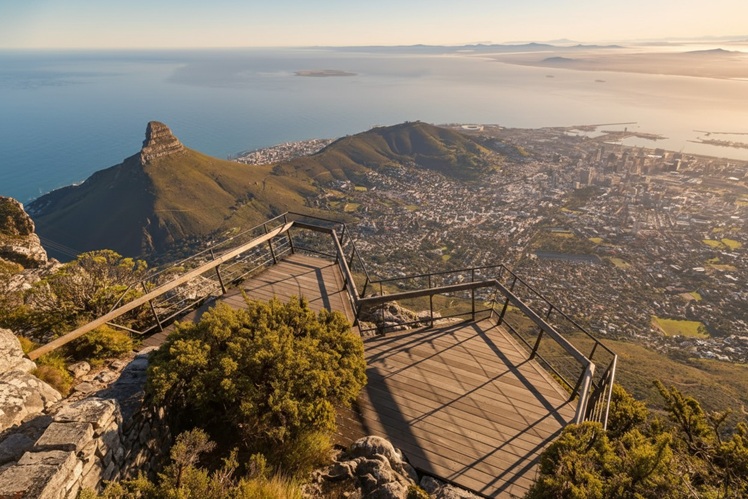
Cape Town’s flat‑topped icon doesn’t have to be an epic sufferfest. If you’re after approachable paths with big payoffs, Table Mountain gives you options—from level contour paths to short stairways to the cableway plus mellow top‑of‑table strolls. This beginner’s guide shows you exactly how to pick a route you’ll enjoy, what the terrain is like, and the animals and plants you’re likely to meet along the way.
How to choose the right beginner route (quick guide)
Pick based on time, fitness and comfort with heights.
- I want level walking with huge views, no exposure, and I don’t need to stand on the summit: Choose the Pipe Track.
- I can handle 20–30 minutes of stairs for a sensational viewpoint but don’t need to summit: Do Kloof Corner Steps.
- I prefer to skip the uphill and stroll on the tabletop: Ride the cableway and do the Dassie/Agama/Klipspringer walks.
- I really want to summit on foot and I’m reasonably fit: Consider Platteklip Gorge (direct, non‑technical, but relentlessly uphill). Take the cableway down if needed.
If the mountain wears its trademark “tablecloth” cloud or the wind is howling, save it for another day. On clear, calm mornings, go early and you’ll thank yourself.
Three beginner‑friendly ways to get onto Table Mountain
1) Pipe Track (contour path, no summit required)
- Start: Kloof Nek parking or the trailhead just before the cableway turn‑off along Tafelberg Road.
- Time and distance: 1.5–3 hours out‑and‑back; choose your turnaround point.
- Terrain: Mostly level single‑track and old stone path under the Twelve Apostles, with minor undulations.
- Why it’s great: It’s the laziest way to the mountain’s biggest views—Camps Bay, Lion’s Head and the Atlantic. You’ll walk through aromatic fynbos with proteas and ericas, often accompanied by the chuckle of helmeted guineafowl below. Sunset light here is spectacular, and you can bail out anytime by turning around.
- Good to know: The Pipe Track does not reach the tabletop unless you branch into steeper ravines (not beginner routes). Treat it as a scenic balcony walk.
2) Kloof Corner Steps (short, steep, unforgettable)
- Start: Signed Kloof Corner parking on Tafelberg Road.
- Time and distance: 30–60 minutes return.
- Terrain: Stone steps and compacted soil; it’s steep but short and with frequent rest spots.
- Why it’s great: In very little time you’re perched on a ledge with a grandstand view of Lion’s Head, the City Bowl and Signal Hill. It’s a perfect first taste of Table Mountain’s scale and a brilliant sunrise or late‑afternoon mission.
- Good to know: Stop at the first big ledge if you’re new to heights; beyond this point the path continues into more exposed terrain that beginners often skip.
3) Cableway + top‑of‑table walks (mellow, panoramic)
- Start: Lower Cableway Station on Tafelberg Road; buy tickets online for the smoothest experience.
- What to do up top: Follow the marked short trails near the Upper Station:
- Dassie Walk (±15 min): Quick loop to orientation viewpoints of the City Bowl and harbour.
- Agama Walk (±30 min): A slightly longer loop with Atlantic seaboard lookouts and Twelve Apostles views.
- Klipspringer Walk (±45 min): Edges west toward Camps Bay with drama at every turn.
- Why it’s great: Boardwalks and flagstones make for easy footing, with constant scenery. On clear days you can see Robben Island, the Cape Flats and distant peaks across False Bay.
- Good to know: The cableway pauses for strong wind and has an annual winter maintenance shutdown (often in July). Check the official status the morning you go.
If you’re set on summiting as a beginner: Platteklip in plain English
Platteklip Gorge is the most direct, non‑technical line to the tabletop—but “easy” is not the right word. Expect 2–3 hours of continuous stone steps up a shaded cleft. There’s no scrambling, but it’s sustained. Start early (before 8am in summer) to avoid heat, take 1.5–2 litres of water per person, and consider riding the cableway down to save the knees. Avoid this route in strong south‑easterly wind or dense cloud; the steps become slippery and the gorge funnels gusts.
Routes with exposure like India Venster or adventurous, laddered ascents like Skeleton Gorge are fantastic in the right conditions with experience or a guide, but they’re not true beginner options.
What you’ll see from different vantage points
- City Bowl and harbour: Best from the top station loops and Kloof Corner.
- Lion’s Head and Signal Hill: Framed beautifully from Pipe Track and Kloof Corner.
- Twelve Apostles and Camps Bay: Dominant from Pipe Track and the Klipspringer Walk.
- Robben Island out in Table Bay: Clear days from the Upper Station viewpoints.
- False Bay and the Hottentots Holland mountains: Visible from the eastern edge of the tabletop on longer top walks toward Maclear’s Beacon.
Bring binoculars or use the orientation plaques up top to name distant peaks and bays.
Wildlife highlights for first‑timers
- Dassies (rock hyrax): The namesake of the Dassie Walk. They sun themselves on warm rocks near the Upper Station and seem unfazed by people. They’re not rodents (though they look like oversized guinea pigs) and are surprisingly related to elephants. Please don’t feed them—human food makes them ill and habituates begging.
- Guineafowl: Helmeted guineafowl patrol the lower slopes and picnic areas in small flocks. Look for their blue faces, dappled feathers and comedic strut.
- Birds of the fynbos: Keep an eye out for the orange‑breasted sunbird and Cape sugarbird fluttering around proteas. Overhead, you may spot a jackal buzzard or a white‑necked raven cruising the cliffs.
- Lizards and agamas: On warm days, Cape girdled lizards and agamas bask on rocks along the top paths.
Tip: Early mornings are quieter and you’ll spot more wildlife before the midday bustle.
Plant life: what’s growing under your boots
You’re walking in the heart of the Cape Floristic Region—one of Earth’s richest plant kingdoms.
- Fynbos staples: Look for needle‑leafed ericas (heaths), tough restios (reedy plants that look like grasses), and the cone‑bearing leucadendrons. Spring to early summer often brings the showiest blooms.
- Proteas: The king protea (South Africa’s national flower) and its relatives thrive on the slopes. Their nectar draws in sunbirds and sugarbirds.
- Silver trees: On the eastern flanks near Kirstenbosch you might spot the rare, shimmering silver tree—leaves flash in the wind like coins.
- Stone pines: Those classic umbrella‑shaped silhouettes you see on lower slopes and in city parks are stone pines. They’re not indigenous, but their sculptural forms frame many Table Mountain views and evening photos.
Please stay on marked paths; fynbos is delicate and slow to recover from trampling.
Weather, safety and timing—what beginners should expect
- Be flexible: If you wake up to a crisp, cloud‑free mountain, go. If the “tablecloth” has spilled over or the wind is roaring, wait for a better window.
- Start early: Shade is precious on summer mornings, and parking is much easier before 8–9am.
- Footwear: Grippy trainers or light hiking shoes are perfect for the beginner routes here.
- Pack light but smart: 1.5–2L of water per person for anything over an hour, sunblock, hat, windbreaker, snacks, and a fully charged phone with an offline map.
- Stay on official paths: Shortcutting erodes slopes and can put you into technical terrain.
- Go with company: Hike with a friend or a reputable guide if you’re unsure.
- Transport: Parking near the cableway fills fast. Consider e‑hailing or the City Sightseeing hop‑on hop‑off bus, which stops at the Lower Cableway Station and Kloof Nek.
- Cableway tips: Buy tickets online, check operating status the morning of your visit, and consider a one‑way ticket if you plan to hike up and ride down.
A beginner’s packing list
- Water and light snacks
- Hat, sunglasses and sunscreen
- Light windproof layer (conditions change quickly even on hot days)
- Comfortable, grippy shoes
- Small first‑aid kit and blister plasters
- Camera or phone, plus a power bank if you love photos
Where to stay for easy access and dream‑worthy views
Base yourself close to the action or across the bay for postcard panoramas.
- For wake‑up‑and‑go convenience near the city’s attractions: Walk to the V&A Waterfront from a Charming Apartment.
- For sweeping, straight‑on views of the mountain across Table Bay (sunsets are incredible): Postcard Views of Table Mountain. Generator for elevator. or Large Apartment Stunning Ocean Views.
Final word for first‑timers
Table Mountain rewards beginners who choose their route with intention. If you only remember three things: start early on a clear, calm morning; pick a path that matches your comfort level (Pipe Track, Kloof Corner or cableway plus short loops); and take time to look up and around—the dassies on the rocks, the guineafowl below, the proteas at your feet, and that impossible skyline that makes Cape Town feel like nowhere else on earth.