How Safe is Cape Town? Advice for Visitors
Practical safety advice for visitors to Cape Town, covering transport, areas to explore, and common precautions.
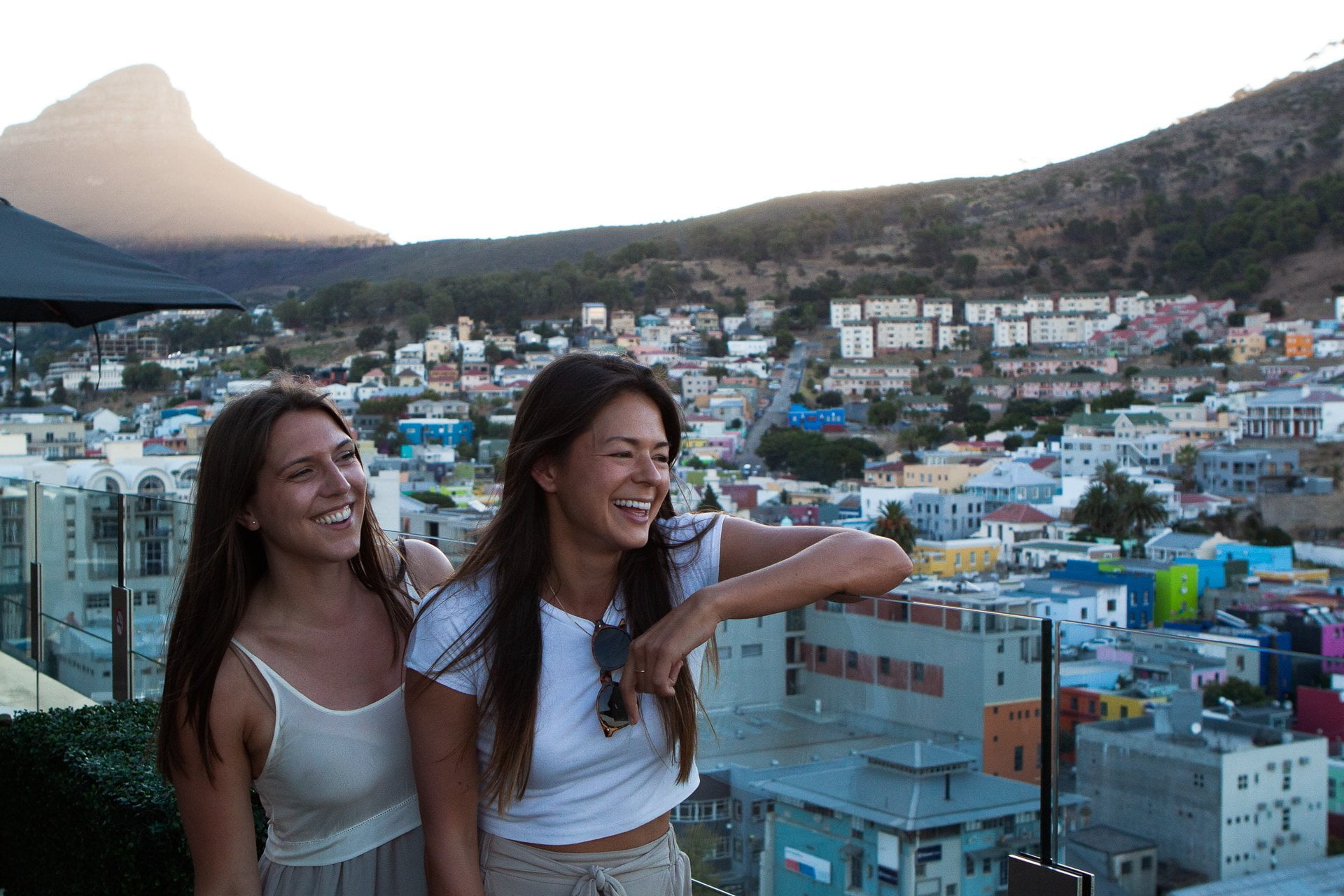
Cape Town is one of the most visited cities in Africa, welcoming millions of tourists each year. Like any major city around the world, it pays to be aware of your surroundings and take sensible precautions. The vast majority of visitors to Cape Town have a safe, trouble-free holiday. Here is our practical advice to help you stay safe during your trip.
General Safety Tips
Cape Town's tourist areas are well-policed and generally very safe. However, it is always wise to exercise the same common sense you would in any major city. Keep your valuables out of sight, avoid displaying expensive jewellery or electronics unnecessarily, and be aware of your surroundings, particularly in busy areas. At PrimePlaces, all our properties are located in safe, well-established neighbourhoods that are popular with both locals and visitors.
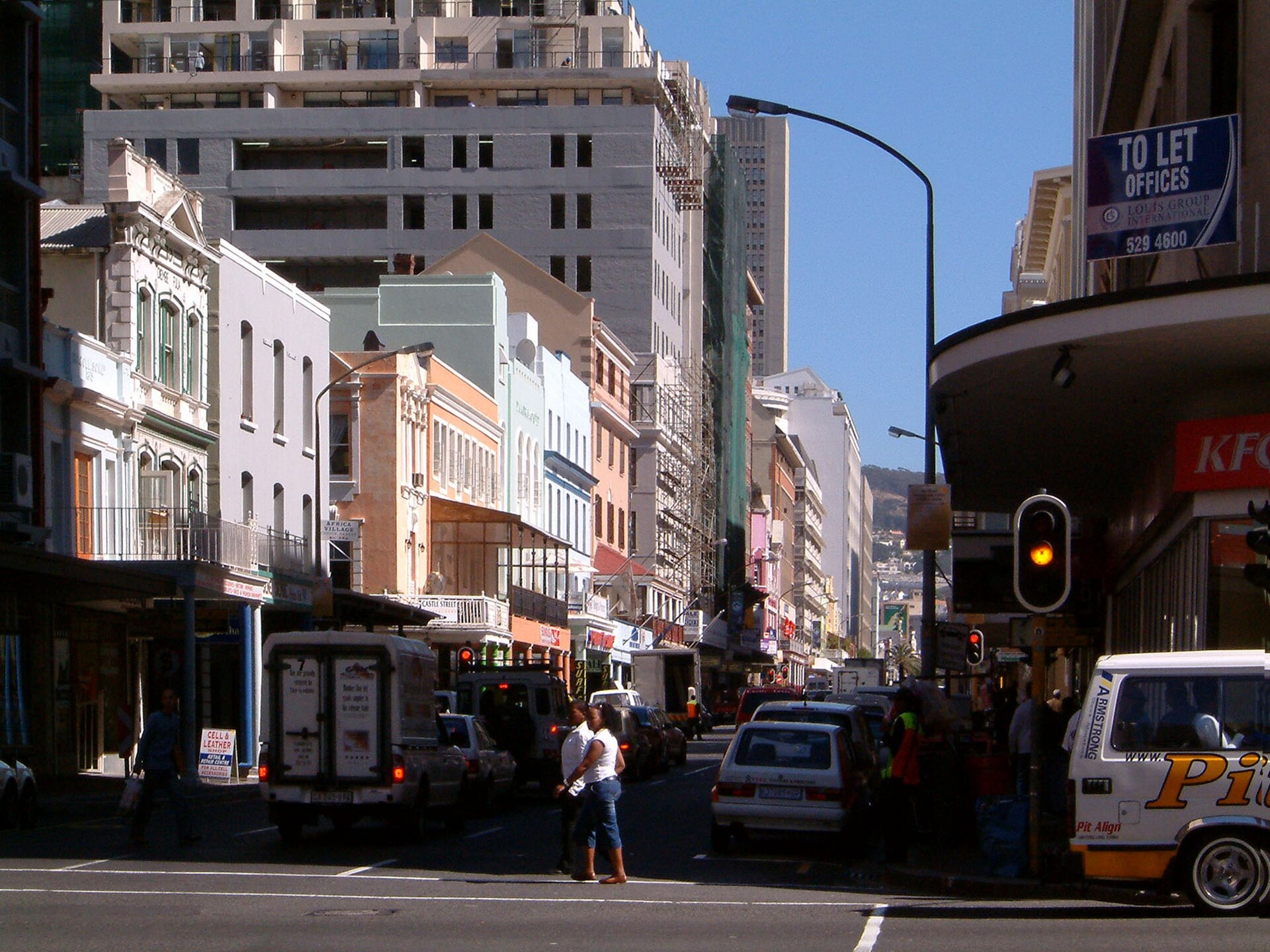
Safe Neighbourhoods
The areas most popular with tourists are generally the safest. Green Point, the V&A Waterfront, Camps Bay, Constantia, and the Southern Suburbs (Newlands, Claremont, Kenilworth) all have low crime rates and are well-patrolled. Woodbridge Island in Milnerton is a security estate offering an exceptionally safe environment for families. When choosing your accommodation, staying in these established areas gives you peace of mind and easy access to the city's main attractions.
Transport Advice
- Use reputable transport: Uber and Bolt are widely available in Cape Town and are the safest and most convenient way to get around, particularly at night.
- Avoid walking alone at night: While many areas are safe during the day, it is best to use rideshare services after dark, especially if you are unfamiliar with the area.
- Car rental: If you hire a car, keep windows closed and doors locked in traffic. Do not leave valuables visible in the vehicle. Use secure parking wherever possible.
- MyCiTi bus: The MyCiTi bus service is a safe, efficient public transport option that connects key areas including the airport, city centre, and the Atlantic Seaboard.
Beach Safety
Cape Town's beaches are stunning but can have strong currents and cold water. Always swim at beaches with lifeguards on duty, particularly Camps Bay, Clifton, and Muizenberg. Pay attention to the flag system — a red flag means swimming is not advised. The Atlantic side (Camps Bay, Clifton) tends to have colder water, while False Bay (Muizenberg, Fish Hoek) is warmer.
Hiking Safety
Table Mountain and the surrounding nature reserves offer world-class hiking, but conditions can change rapidly. Always tell someone your hiking plans, carry sufficient water and sun protection, wear appropriate footwear, and start early to avoid being on the mountain after dark. Stick to well-marked trails and avoid hiking alone in remote areas. In case of emergency on Table Mountain, contact Wilderness Search and Rescue (WSAR).
Emergency Numbers
- General emergency: 10111
- Ambulance: 10177
- Fire: +27 21 535 1100
- Mountain rescue: +27 21 948 9900
- Tourist safety hotline: +27 21 467 8000
Tips About Valuables
Leave passports, excess cash, and expensive items in your accommodation safe. Carry only what you need for the day. When at the beach, do not leave bags unattended. Use a waterproof phone pouch if you want to take your phone near the water. At ATMs, be vigilant and use machines inside shopping centres or banks rather than street-facing ones.
Night-Time Advice
Cape Town has a vibrant nightlife scene, particularly in areas like Long Street, Bree Street, Green Point, and the V&A Waterfront. Stick to well-lit, busy areas and use Uber or Bolt to travel between venues. Avoid walking through unfamiliar neighbourhoods after dark. If dining out in the evening, ask your accommodation host for restaurant recommendations in safe areas close by.