Chapman’s Peak Drive: Self‑Drive Guide & Best Viewpoints
Plan the perfect Chapman's Peak Drive. Toll info, safest pull-offs, best photo stops, picnic spots, and sunrise/sunset timing—plus pro driving tips.
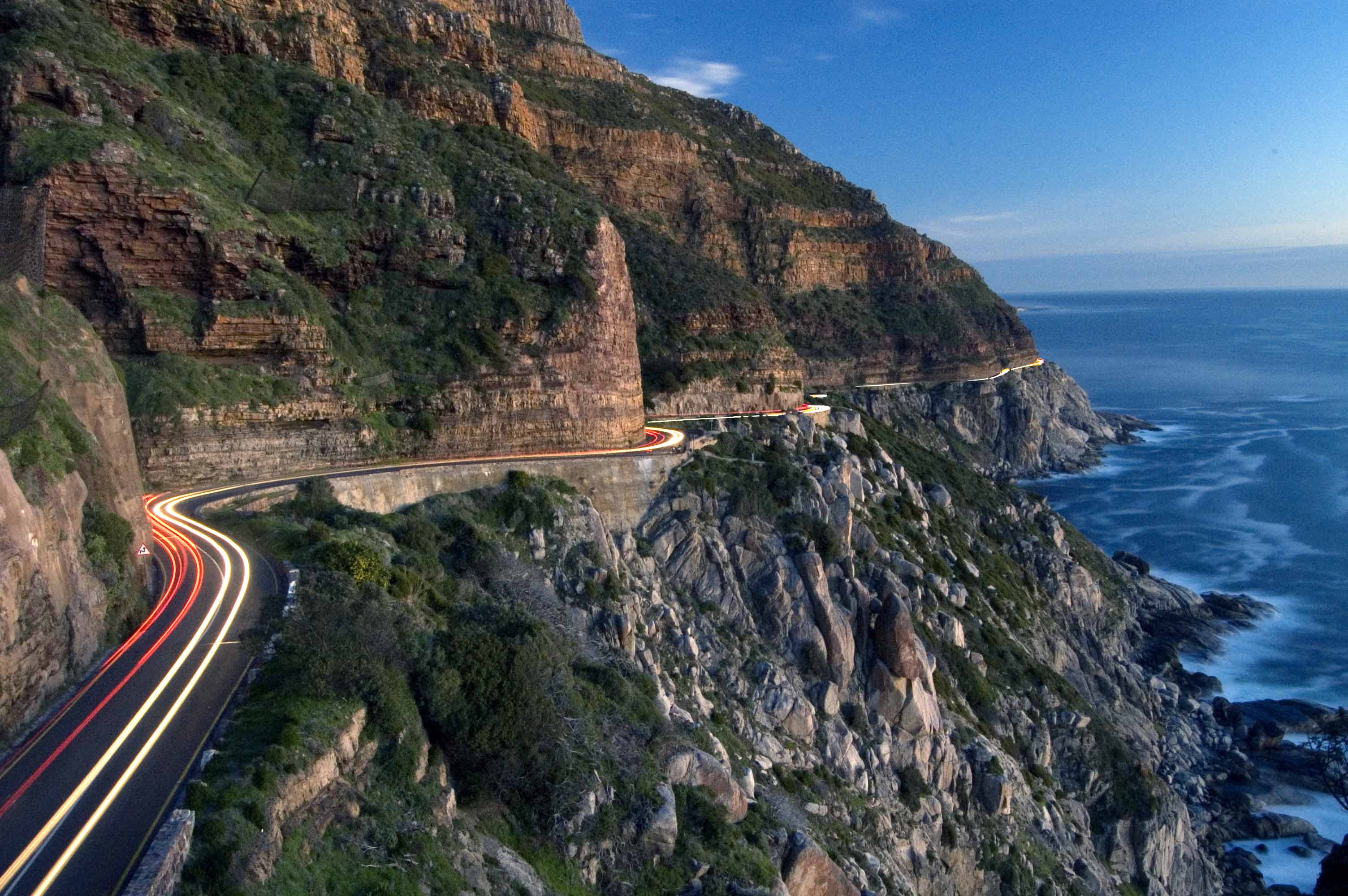
Few coastal roads deliver jaw-dropping drama like Chapman’s Peak Drive, the cliff-hugging link between Hout Bay and Noordhoek on Cape Town’s Atlantic side. Carved into near-vertical rock, this 9 km marine drive rewards unhurried travellers with cinematic views, sensibly spaced pull‑offs, and picnic spots that make you linger. Here’s your ultimate self‑drive playbook—clear, safe, and scenic.
When to go: sunrise vs sunset (and seasons)
- Sunset: The road faces west, so afternoon light sets the cliffs aglow and the ocean shimmers. Aim to enter 45–60 minutes before sunset for the best colour, then roll out as the sky cools to pastel. This is the most photogenic time, especially on calm, windless evenings.
- Sunrise: Quieter and often clearer after cold fronts. The cliffs are in soft sidelight and the water turns teal. Perfect if you’re continuing to Cape Point for the day.
- Typical daylight guide for Cape Town
- Summer (Dec–Feb): sunrise ~05:30; sunset ~20:30
- Autumn (Mar–May): sunrise ~06:30–07:00; sunset ~18:00–19:30
- Winter (Jun–Aug): sunrise ~07:45; sunset ~17:45
- Spring (Sep–Nov): sunrise ~06:00; sunset ~19:30
- Weather and wind: Strong Cape south‑easters can whip up dust and buffeting gusts. After heavy rain or during high rockfall risk, the road may close without much notice. Always check the current status before you set off.
The best direction to drive (for views and safety)
- Safest and most scenic: Noordhoek → Hout Bay. South Africa drives on the left, and almost all official view bays and picnic areas sit on the ocean side. Northbound from Noordhoek puts these on your left, so you can pull off without crossing oncoming traffic.
- Great for a Cape Peninsula loop: Head from the city to Noordhoek (via Ou Kaapse Weg or the M3/Constantia Nek), take Chapman’s Peak north to Hout Bay, then continue via Camps Bay, Sea Point and back to the Waterfront.
- Doing Cape Point in a day: Many travellers drive Chapman’s Peak southbound in the morning (city → Hout Bay → Noordhoek → Cape Point) to beat crowds at the reserve, then return via False Bay. If you do this, be extra cautious when turning right into ocean‑side pull‑offs.
- Passenger’s seat tip: If your photographer rides shotgun, the northbound (Noordhoek → Hout Bay) direction puts uninterrupted ocean views right outside their window.
Toll, hours and closures (what to expect)
- Where you’ll pay: There’s a single toll plaza on the Hout Bay side. You’ll be charged once per passage.
- What it costs: Light vehicles typically pay around R60–R80 one way. Motorbikes pay less; larger vehicles pay more. Prices change occasionally—check the official site or signage for current tariffs.
- How to pay: Cash and major bank cards are accepted. Contactless usually works, but bring a backup.
- Opening times: The drive operates daily when safe. It can close temporarily for rockfall risk, maintenance, high winds or major events.
- Live status: Look for electronic signs near both approaches. If the rockfall status is high, expect temporary stop‑go controls or a full closure.
The safest pull‑offs and best viewpoints
Use only the signed bays with stone walls and marked parking. Never stop in “No Stopping” zones (they’re there for rockfall and traffic safety). These favourites run northbound from Noordhoek:
- Noordhoek Beach Panorama: The first few bays from the southern gate overlook one of the Cape’s longest, wildest beaches. Best for wide‑angle shots and winter whale watching (June–November).
- Dune & Wetland Lookouts: Midway up from the Noordhoek side, you’ll spot sand flats, reedbeds and horse paddocks below—golden at sunset.
- Chapman's Point Hairpins: The classic S‑bends clinging to sheer cliffs. This is the poster shot, with the road carving across coppery rock. Late afternoon is perfect.
- Hout Bay Amphitheatre View: Near the top, the vista opens to Sentinel Peak, Karbonkelberg and the working harbour. Great for a deep‑blue sea and boats in miniature.
- “The Lookout” area (north end): Close to the Hout Bay toll, several bays face straight down the throat of Hout Bay. Space is limited; arrive earlier for sunset.
Picnic note: Many bays have stone tables. Keep it simple—no open flames, and take every scrap of litter with you. Baboons are rare here compared to the deep south, but keep food secured.
Driving and safety tips (read this before you roll)
- Speed limit: 40 km/h unless posted otherwise. Expect narrow sections and blind bends.
- Cyclists and runners: They love this road. Give at least 1 metre (preferably more) when passing and be patient.
- Stopping rules: Only in signed bays. Use indicators early, pull fully off the tarmac, and rejoin when you have a long, clear gap.
- Don’t U‑turn: Rather continue to the next bay or to the end and come back.
- Headlights: Use low‑beam in mist or low light for visibility through the cuttings and curves.
- Valuables: Keep gear with you when stepping out; don’t leave bags on seats.
- Children: Keep a firm hold—there are low walls but sudden drops.
Photo and picnic planning
- Golden‑hour strategy: If you’re chasing colour, plan two or three stops only. It’s better to enjoy one viewpoint for 20 minutes than to spend golden light driving.
- Lenses: A 16–35mm captures sweeping curves; a 70–200mm compresses the hairpins and sea stacks.
- Filters: A circular polariser tames glare on the water; a 3‑stop ND helps with silky swells at last light.
- Wildlife: From winter to spring, scan for southern right whales off Noordhoek and dolphins year‑round.
- Food ideas: Grab fresh pastries and coffee at Noordhoek Farm Village before a morning run, or fish and chips from Hout Bay Harbour for a relaxed sunset picnic. Pack a windproof layer even on warm days.
Easy add‑ons nearby
- Hout Bay: Stroll the harbour, do a 1‑hour seal‑island cruise, or browse the Bay Harbour Market on weekends.
- Noordhoek: Amble along the beach (access from the southern parking) or book a gentle horse ride across the dunes.
- Constantia: Detour over Constantia Nek for wine tasting and leafy lunch stops.
Where to stay for an effortless drive
Base yourself near the Atlantic Seaboard or Waterfront for the quickest hop to Hout Bay and Noordhoek. Two comfortable options with secure parking and sweeping views:
- Walk to the V&A Waterfront from a Charming Apartment – Ideal if you want to roll out late afternoon for a stress‑free sunset run and be back for dinner on the harbour.
- Postcard Views of Table Mountain. Generator for elevator. – A spacious self‑catering base in Milnerton with widescreen ocean and mountain views; easy access to the coastal road system.
Quick checklist before you go
- Check live road status and wind forecast.
- Fuel up; there’s no fuel on the pass itself.
- Bring layers, water, snacks and a bag for litter.
- Plan your 2–3 primary stops and target bays on the ocean side.
- Aim to enter 45–60 minutes before sunrise or sunset for the most forgiving light.
Drive slow, stop smart, and let the Atlantic do the rest—Chapman’s Peak rewards those who give it time.