Devil’s Peak via Mowbray Ridge: A Knife-Edge Adventure for Experienced Hikers
Chasing airy ridgelines and classic scrambles? This detailed guide to Devil’s Peak via Mowbray Ridge covers route-finding, exposure, wind, gear, parking and when to hire a guide.
Why this route, and who it’s for
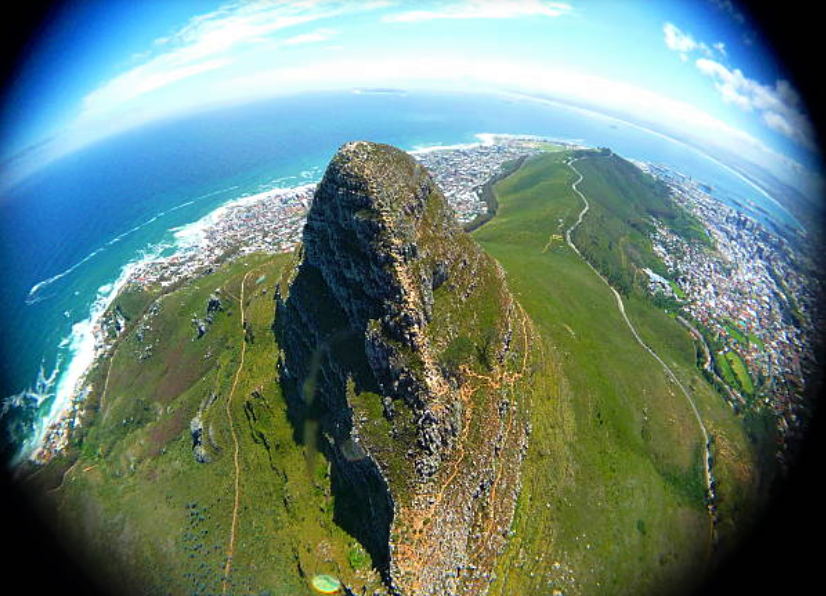
Devil’s Peak via Mowbray Ridge is one of Cape Town’s most characterful ascents: steep from the first step, scenic throughout, and crowned by an exhilarating traverse of the Knife Edge. Expect real exposure, a handful of short but committing scrambles, and the kind of views that make seasoned hikers grin. This is not a beginner trail. It suits confident hikers with solid footwork, a head for heights, and experience moving on exposed, rocky terrain.
- Distance and time: 9–12 km round trip, 900–1,000 m total ascent, 4.5–7 hours depending on fitness, conditions and descent choice
- Highest point: Devil’s Peak summit, ~1,000 m
- Difficulty: Physically strenuous; technical difficulty moderate with short Grade B/C scrambles and airy moves on the ridge
- Best for: Experienced hikers; first-timers to the route should consider going with a qualified guide
Getting there and parking at Rhodes Memorial
Most parties start at Rhodes Memorial on the eastern flank of Table Mountain. It’s well positioned for a direct pull to the King’s Blockhouse and the base of Mowbray Ridge.
- Parking: Use the main Rhodes Memorial parking area. Arrive early on weekends; it fills quickly.
- Security: Do not leave valuables in the car. Lock up, keep items out of sight, and consider rideshare drop‑off/pick‑up for peace of mind.
- Facilities: No reliable water on route. Carry all you need from the start.
Tip: If you prefer a central base for an early alpine start, consider staying near the City Bowl/Waterfront. Walk to the V&A Waterfront from a Charming Apartment places you minutes from the N2 and M3, simplifying dawn logistics. If iconic Table Mountain views call you after your hike, Milnerton’s beachfront skyline is unbeatable—Postcard Views of Table Mountain. Generator for elevator. is a scenic choice.
Step‑by‑step: Mowbray Ridge to the Knife Edge and summit
This is the classic anti‑clockwise loop: up Mowbray Ridge and the Knife Edge, top out on Devil’s Peak, descend via Newlands Ravine, and traverse back to Rhodes Memorial on the contour.
1) Rhodes Memorial to the King’s Blockhouse (20–35 min)
- From the top of the parking, take the left‑hand path up the slope. It steepens quickly and crosses broad tracks.
- Pass through a stile with a small ladder and continue on a jeep track for ~50 m; look for a steep footpath left to the cannons below the King’s Blockhouse—an obvious landmark and a great spot to sip water.
2) Blockhouse to the start of Mowbray Ridge (20–40 min)
- Skirt behind the Blockhouse and trend uphill on cairned paths toward the prominent spur of Mowbray Ridge. Don’t drop to the contour path; you’re aiming for the spine of the ridge.
- Landmarks include remnants of old stonework and, higher up, the old fire lookout hut—often used as a short wind break.
3) Up Mowbray Ridge to Minor Peak (30–60 min)
- The ridge steepens. You’ll use hands here and there on coarse sandstone steps. The rock is grippy when dry but slick with lichen when wet.
- A couple of short rock steps (simple Grade B) lead to Minor Peak—really a shoulder beneath Devil’s Peak proper. Views expand over the Cape Flats to the Hottentots Holland.
4) The Knife Edge traverse (15–30 min; exposure crux)
- From Minor Peak the ridge narrows to the famed Knife Edge: an airy arete with steep drop‑offs to both sides. The path undulates over blocks and short notches.
- Technique: Move one person at a time on the narrowest bits; keep three points of contact; test holds before weighting. If winds buffet, crouch to lower your profile and consider retreating.
- Bypasses: Faint ledges skirt some sections on the east (Newlands) side, but they are sandy and eroded—more dangerous for the inexperienced than the crest.
5) Final scrambles to Devil’s Peak summit (20–45 min)
- Past the Knife Edge, short chimneys and rocky steps (a couple of Grade C moves for shorter climbers) lead up. Taller hikers can mantle easily; shorter hikers may appreciate a spot.
- The summit plateau appears suddenly, with grandstand views of Table Mountain’s eastern buttresses, the City Bowl, Table Bay, and the Cape Peninsula tapering into the Atlantic.
Descent choices and bail‑outs
- Newlands Ravine (recommended): From the summit, head south to pick up the clear path down Newlands Ravine. It’s steep and stepped but non‑technical, dropping into indigenous forest before joining the contour path. Turn left to traverse back to the Blockhouse and Rhodes Memorial. Safer in wind than re‑crossing the Knife Edge.
- Out‑and‑back (only if fully confident): Reverse the route back over the Knife Edge and down Mowbray Ridge. Descending the scrambles is more committing; only choose this in excellent conditions with a competent party.
- Early bail‑outs: Before the Knife Edge you can contour east to Newlands Ravine on faint paths if wind builds or cloud rolls in. From the Blockhouse you can always opt for the contour path and call it a recon day.
Exposure and where the risks really are
- Knife Edge: Genuine exposure with consequence. The rock is solid, but a slip in wind or on damp lichen can be serious. The crest is safer than sandy side‑ledges for most hikers with sound footwork.
- Short chimneys above the ridge: These are secure with good holds, but the moves are bigger for shorter hikers. Helmets are optional; consider them for larger groups to mitigate small rock knock‑offs.
- Loose gravel: The approach to and exits from some steps hold marbles of grit. Step carefully, especially when descending.
Wind, weather and when to turn around
Devil’s Peak earns its reputation on windy days. Two patterns matter most:
- Summer south‑easter (“Cape Doctor”): Accelerates over the mountain and funnels across the Knife Edge. Gusts can knock you sideways; abort if you’re buffeted while standing still.
- Winter north‑westerlies: Bring cold, cloud and rain. Sandstone becomes slick; the ridge clags in, killing visibility and making route‑finding tricky.
Practical checks and tips:
- Look up: If a thick “tablecloth” cloud forms on the massif or the ridge looks smoked with fast‑moving scud, choose a lower route.
- Temperature drop: Expect 6–12°C cooler up high, plus windchill. Pack a proper shell and light insulation, even on hot mornings.
- Start early: Beat heat and convective winds; morning light is best for photos across Table Bay.
Skills you’ll use (and need)
- Scrambling: Confident use of hands, keeping weight over feet, and moving one at a time through narrow notches.
- Exposure tolerance: Calm, deliberate movement with a big drop in your periphery.
- Group management: Spotting teammates on short steps, spacing out to avoid rockfall, and communicating clearly in wind.
- Navigation: Comfort following cairns and reading terrain. An offline map and a GPX track are useful backups.
What to pack for Mowbray Ridge
- Footwear: Grippy, broken‑in trail shoes or light boots
- Clothing: Sun hat, warm layer, waterproof/windproof shell, thin gloves if you like rock contact comfort
- Water & food: 2–3 litres (no reliable water en route), energy‑dense snacks and a real lunch if doing the full loop
- Navigation & safety: Charged phone with offline maps, headlamp, basic first‑aid kit, emergency whistle, space blanket
- Optional: Short sling or length of accessory cord to steady a nervous hiker on the bigger steps; compact helmet for groups
Safety on Table Mountain National Park
- Go in a small group, share your route and return time with someone off‑mountain.
- If you need help, dial 112 (South African emergency from any mobile). Share a GPS pin and stay put in a safe location.
- Respect closures after fire or heavy rain; erosion is real on this ridge.
When to hire a guide
Bring in a qualified mountain guide if any of the following apply:
- You’re new to Cape Town’s sandstone, or you’re unsure about your exposure tolerance
- The forecast shows moderate winds and you still want a conservative go/no‑go call on the ground
- You want efficient route‑finding, safer group movement, and a Plan B/Plan C tailored to your team
A good guide turns a committing day out into confident, efficient fun, with smart bail‑out choices if weather shifts.
Pair the hike with a great stay
To catch blue‑hour starts and enjoy twilight city views after your summit day, choose a well‑located short‑stay:
- Central and walkable: Walk to the V&A Waterfront from a Charming Apartment — ideal for early departures and late dinners on your return.
- Iconic views across the bay: Postcard Views of Table Mountain. Generator for elevator. — wake to the skyline you climbed the day before.
Leave no trace on a fragile ridge
- Stay on durable surfaces; avoid widening sandy bypasses on the Knife Edge
- Pack out all waste; micro‑trash litters quickly on windy days
- Brush mud and seeds from shoes before/after to limit invasive spread
The takeaway
Mowbray Ridge to Devil’s Peak via the Knife Edge is Table Mountain’s east‑side classic: steep, compact, and spiced with just enough exposure to make your heart tick faster. Pick a calm, clear morning, bring the right skills and layers, and this route will reward you with one of the Cape’s all‑time panoramas—and a story worth retelling over dinner back in the city.