Do You Need a Visa for South Africa? Simple Rules for 90‑Day Stays
Planning Cape Town? Here’s who gets 90‑day visa‑free entry to South Africa, what to expect at passport control, and where to check the latest rules.
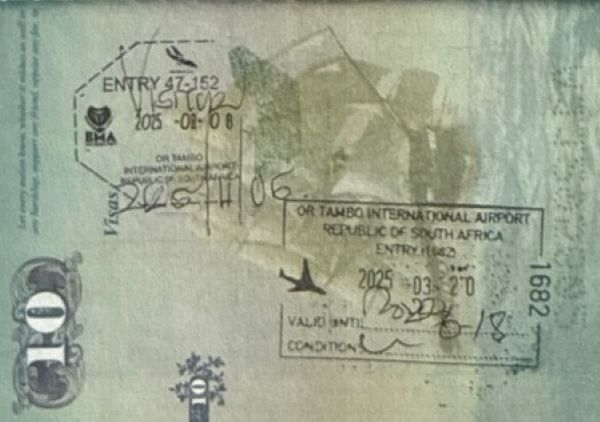
Planning a Cape Town escape comes with one early question: do you need a visa to visit South Africa? The good news is that many travelers can enter visa‑free for short trips. This guide explains who typically qualifies for a 90‑day stay without a visa, what happens at passport control at Cape Town International Airport (CPT), and exactly where to check the latest official rules before you fly.
Who usually qualifies for 90‑day visa‑free entry
A large group of nationalities can visit South Africa without applying for a visa in advance for tourism or business trips of up to 90 days. This list changes occasionally, but it commonly includes citizens of:
- United States and United Kingdom
- Most European Union and EEA countries (for example: Germany, France, Netherlands, Italy, Spain, Portugal, Sweden, Norway, Denmark, Finland, Ireland)
- Canada, Australia, New Zealand, Switzerland
- Several other countries in Asia, the Middle East, and Latin America
Important notes about visa‑free entry:
- Visa‑free does not mean unlimited: on arrival, immigration stamps your passport with the exact number of days you’re allowed to stay, up to a maximum of 90. It’s common to receive 30, 60, or 90 days depending on your itinerary and the officer’s discretion.
- The exemption is for tourism or short business visits only. If you’ll study, work (including paid gigs, filming, or volunteering), or stay longer than 90 days, you must apply for the correct visa in advance.
- Lists change. Always confirm your country’s status on South Africa’s Department of Home Affairs website or with your nearest South African embassy/consulate right before you travel.
If your passport is not on the visa‑exempt list, you’ll need to apply for a visitor visa (often called a Section 11(1) visa) before you fly. Some nationalities can use South Africa’s eVisa platform; others apply through a visa center or South African mission.
Passport validity, blank pages and other entry essentials
To avoid last‑minute airport surprises, make sure you meet these practical requirements that airlines and border officials check:
- Passport validity: Officially, your passport should be valid for at least 30 days beyond your planned departure from South Africa. Some airlines prefer six months’ validity, so if you’re close to the minimum, renew if you can.
- Blank pages: You need at least two blank pages for entry and exit stamps. If you’re low on space, renew your passport before you travel.
- Proof of onward or return travel: A confirmed return ticket or onward ticket is routinely requested at check‑in and may be requested at passport control.
- Accommodation details: Keep your first hotel or self‑catering booking confirmation handy, with a physical address and a contact number.
- Financial means: You may be asked to show you can support yourself (for example, a recent bank statement or available credit).
- Yellow fever certificate (select travelers): If you have been in or transited through a yellow‑fever risk country within the previous six days, carry an original, valid yellow fever vaccination certificate. If in doubt, check the official list and your itinerary’s transit rules.
What to expect at Cape Town International Airport passport control
Cape Town International is efficient by regional standards, especially outside peak holiday periods. Here’s how arrival typically unfolds for international visitors:
1. Disembark and follow the “Arrivals/Immigration” signs. International arrivals go to passport control before baggage claim.
2. Join the “Foreign Passports” queue. South African passport holders have separate lanes; sometimes there are family/assistance lanes too.
3. Present your passport to the immigration officer. Be ready to answer brief questions: where you’re staying, how long you’ll be in South Africa, and your return/onward plans. Have your accommodation details and return ticket accessible.
4. Entry stamp issued. Check the stamp before you leave the desk. It should display your date of entry and the number of days you’re permitted to stay (up to 90). If the number doesn’t align with your itinerary, politely ask for clarification immediately.
5. Baggage claim. Collect luggage and proceed to customs.
6. Customs (SARS). Most passengers with nothing to declare use the green channel. South Africa has been rolling out an online Traveller Declaration system at major airports; if signage or staff direct you to complete a digital declaration, follow the prompts and keep the QR code handy.
A few extra tips that make arrivals smoother:
- Keep pens and your booking confirmations in your carry‑on. Some airlines still hand out arrival information forms; having details at your fingertips helps.
- If you’re traveling with medication, keep it in original packaging with a copy of the prescription.
- Photograph your entry stamp. It’s useful if accommodation, tour providers, or authorities ever need to verify your permitted stay.
Traveling with kids: documents that help
South Africa relaxed its much‑discussed rule about unabridged birth certificates for foreign minors. In most cases, children visiting on foreign passports no longer need to carry a birth certificate in addition to their passport.
However, if a child is traveling with one parent, with a guardian, or unaccompanied, it’s still wise (and sometimes requested by airlines) to carry:
- A notarized consent letter from the non‑traveling parent(s)
- A copy of the child’s birth certificate to show parentage
- Copies of both parents’ ID or passport bio pages
These aren’t always required at South African passport control, but they’re low‑effort documents that prevent delays at departure or transit check‑in.
If you need a visa: the short version
Not visa‑exempt? You’ll likely apply for a visitor visa before departure. Depending on your nationality, you may be able to use South Africa’s eVisa system. Otherwise you’ll apply through a South African mission or a visa application center serving your country.
Typical documents requested:
- Valid passport with two blank pages and sufficient validity
- Completed application form (online or paper)
- Passport photos meeting specifications
- Proof of accommodation or invitation letter
- Proof of funds and confirmed return or onward ticket
- Travel insurance (recommended; sometimes required by visa centers)
Processing times vary, so start early—ideally 4–8 weeks before travel. Bring printed copies of your visa approval or eVisa for check‑in and arrival.
Getting the length of stay you actually need
Even visa‑exempt visitors can be stamped for fewer than 90 days. To minimize surprises:
- Book a return flight that clearly fits within 90 days.
- Show a tidy itinerary or booking confirmations that reflect your stay.
- If you’re given fewer days than you expected, ask the officer—politely—if they can match your return ticket. Have the ticket ready on your phone.
Thinking about extending in‑country? Extensions for visitor status are limited, take time, and are not guaranteed. If available for your status, they are lodged via VFS offices inside South Africa and usually must be filed at least 60 days before your current permission expires. Apply early and avoid risky last‑minute plans. Overstaying can lead to fines, being declared “undesirable,” and multi‑year entry bans.
Common scenarios, answered
- I’m a US/UK/EU citizen visiting for two weeks of Cape Town and Winelands. Do I need a visa? Likely no. You’ll receive an entry stamp for up to 90 days at the airport. Keep a return ticket and accommodation details on hand.
- I want to volunteer for a month. Can I enter visa‑free? Volunteering counts as work for immigration purposes. Apply for the appropriate visa before you travel.
- I’m a remote worker. Can I work online while I visit? Casual remote work while on a tourist entry can be a gray area. If your primary purpose is tourism and you’re not engaging the South African labor market, many travelers simply keep a low profile. If your stay or activities resemble living and working, investigate South Africa’s evolving digital‑nomad and work‑visa options before you go.
- I’m transiting through an African country with yellow fever risk. Do I need a vaccine certificate? If your transit is long or you exit the airside area, you may need one. When in doubt, get vaccinated at least 10 days before travel and carry the certificate.
Where to check the latest rules (before you fly)
Immigration rules change. Always confirm the current requirements right before you travel, ideally the week you fly. Reliable sources include:
- South Africa’s Department of Home Affairs (visa exemptions, eVisa availability, forms)
- Your nearest South African embassy or high commission (country‑specific guidance)
- Your airline’s documentation checker (they use IATA/Timatic, which aligns with what gate agents enforce)
- Government travel advisories from your own country (for example, the UK FCDO, US State Department, Canada, Australia, New Zealand)
- South African Revenue Service (SARS) Traveller Declaration guidance for customs procedure updates
Search tip: use queries like “South Africa visa exemptions Department of Home Affairs” and confirm the page is on a .gov.za domain.
After arrivals: make your first nights effortless
Shake off the jet lag with a relaxing base that keeps logistics simple:
- If you want to stroll to restaurants, the aquarium, and sunset cruises, base near the Waterfront at Walk to the V&A Waterfront from a Charming Apartment. It’s a stylish, self‑catering hideaway that puts you minutes from departures for Robben Island and harbor tours.
- Craving Atlantic views and quick access to the West Coast beaches? Milnerton’s beachfront is a scenic, low‑stress launchpad for your first days. Try Postcard Views of Table Mountain. Generator for elevator. or Amazing Ocean Views from Every Room.—both serviced apartments with sweeping panoramas and easy rides into the city.
Quick checklist you can screenshot
- Check your country on the official visa‑exempt list
- Passport valid 30+ days after departure (six months preferred by some airlines)
- Two blank pages for entry/exit stamps
- Return or onward ticket
- Accommodation address and contact details
- Sufficient funds proof (bank statement or card)
- Yellow fever certificate if you’ve been in a risk country recently
- Consent letter/copy of birth certificate if a minor travels with one parent or guardian
Bottom line
For most holidaymakers and short‑stay business travelers, South Africa is refreshingly straightforward: many passports qualify for visa‑free entry of up to 90 days, and Cape Town International’s process is clear if you arrive prepared. Verify your status with official sources, travel with the right documents, check your entry stamp carefully, and you’ll be clinking glasses in the Winelands—or watching the sun hit Table Mountain—within hours of landing.