Dog‑Friendly Beach Day at Scarborough: Rules, Facilities and Local Tips
Planning a pup‑friendly escape to Scarborough? Here’s how to time the tides and wind, follow local etiquette, find parking and restrooms, and grab great coffee nearby.
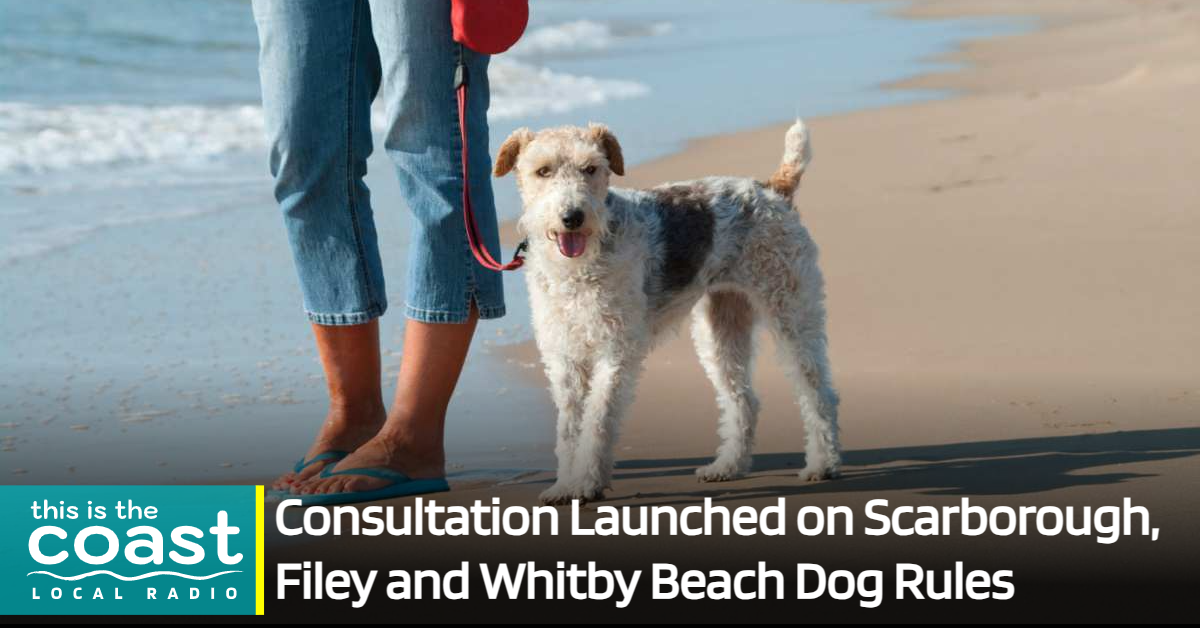
Scarborough is the kind of Cape Town beach that turns a simple dog walk into a mini‑holiday. Tucked beyond Kommetjie on the wild Atlantic edge of the peninsula, it’s a conservation‑minded village with a wide, white‑sand bay, kelp‑fringed water and big‑sky sunsets. It’s popular with locals who value space, sea air and considerate, off‑leash dog time. This guide covers exactly how to enjoy it like a regular: the current etiquette, how tides and wind shape your day, where to park and find restrooms, and the best nearby spots for a caffeine top‑up.
Where you are and what to expect
Scarborough sits about 55–70 minutes’ drive from the City Centre (traffic and route dependent), just south of Misty Cliffs and north of Cape Point. The beach faces west‑southwest, so you’ll get sweeping Atlantic views and a front‑row seat to dramatic weather shifts. Expect:
- A generous, gently sloping beach at low tide; a narrower strip at high tide
- Cool Atlantic water (typically 10–14°C) that’s invigorating for quick dips
- Surfers on good swell, bodyboarders in the shorebreak and lots of dog walkers
- No commercial development on the sand—just dunes, ocean, and a small car park
It’s beautiful, raw and largely unsupervised. Plan as you would for a natural beach: bring water, shade and a wind layer.
Dog rules and off‑leash etiquette (how to be the visitor everyone loves)
Scarborough is known as dog‑friendly, and many locals do walk their dogs off‑leash here. City of Cape Town beach rules are beach‑specific and may include seasonal or time‑of‑day restrictions, especially in peak summer. Always read the posted signage at the beach entrance for the latest conditions and time windows.
When you’re on the sand, this is the etiquette that keeps the welcome warm:
- Keep your dog under reliable voice control. If recall is iffy, leash up.
- Carry a lead at all times and clip in when passing families, picnics or timid dogs.
- Pick up immediately and carry waste to a bin or take it out with you.
- Give right of way on narrow paths and at the dune entries.
- Steer clear of dune vegetation and any roped‑off nesting zones; African oystercatchers and other shorebirds use this area.
- Keep distance from surfers, kites and lines; cross behind the action, not through it.
- Limit persistent barking, especially in the early morning.
- If it’s crowded (weekends, summer middays), default to on‑lead or choose a quieter section of beach.
Wildlife note:
- Seals and seabirds: If you see a resting seal or a bird rookery, leash and give at least 30 m of space. Never let your dog chase wildlife.
- Baboons: The South Peninsula is baboon country. Keep food sealed and out of sight. If a troop appears, calmly put your dog on‑lead, give them space, and move away; never feed or interact.
Tides, swell and wind: timing your visit
Scarborough’s character changes with the ocean and the famous Cape winds. Choosing the right window makes all the difference.
Tides
- Low tide: Best for fetch and long, easy walking on firm sand. You’ll have more room to spread out.
- High tide: The beach narrows and the shorebreak steepens; expect splashy paws and less space. Check a tide table for Kommetjie/Atlantic Seaboard when planning.
Swell and currents
- On bigger swells (common in winter), expect stronger rips near the rocky ends. Stick to ankle‑to‑knee‑deep paddles with dogs that aren’t strong swimmers.
- Kelp beds can wash ashore. They’re fun to sniff, but keep an eye out for hooks tangled in seaweed from anglers.
Wind seasons
- Summer (roughly November–March): The southeast trade wind (“Cape Doctor”) often ramps up late morning through the afternoon. It’s drier and can create sand‑spray. Best windows are early morning (sunrise to mid‑morning) and, on calmer days, later toward sunset.
- Winter (roughly May–September): More northwesterly systems bring swell and onshore chop. Look for breaks between fronts—those crisp, wind‑light days are magic.
Bluebottles and stingers
- On some warm, onshore‑wind days, bluebottles (Portuguese man o’ war) can wash up. If present, keep curious noses and paws away. For minor stings, rinse with seawater (not freshwater), remove tentacles with tweezers or a cloth, and immerse in hot water (as warm as comfortable). Seek a vet if your dog shows a strong reaction.
Parking, access and facilities
You’re headed to a small, residential village with limited but convenient access.
- Parking: There’s a modest public car park near the main beach access and additional parallel parking along the coast road. On summer weekends, arrive early; the village fills quickly. Do not block driveways or park on vegetation. As everywhere in Cape Town, keep valuables out of sight or take them with you; you may encounter informal car guards (a small cash tip is customary).
- Access: Short sandy paths lead over low dunes to the beach. Surfaces are uneven; wheeled access is limited.
- Restrooms: Basic public toilets are located near the main parking area and are generally open in daylight hours. Bring hand sanitiser and a bit of loo paper, just in case.
- Bins and water: You’ll find a few bins near the car park, but service can be variable—pack in, pack out. There are no public showers or dog wash stations.
- Lifeguards and services: No lifeguards and no rental kiosks. Bring everything you need.
Coffee and quick bites nearby (dog‑friendly patios)
One of the joys of Scarborough is refuelling at small, local spots after a sandy romp. Hours can be seasonal—check on the day.
- Camel Rock Restaurant: An easy stroll from the beach and a local landmark for decades. Great for a relaxed breakfast roll or fish and chips, with casual outdoor seating where dogs are typically welcome.
- The Village Hub & Foragers Deli: Community‑minded space offering barista coffee, fresh pastries, sandwiches and pantry goods. Good for takeaway before or after your walk.
- Whole Earth Café: A short wander inland; think wholesome brunches, fresh juices and a leafy courtyard. Dogs are usually welcome outside.
If queues are long, pop 10 minutes north to Kommetjie for extra options and beachfront benches (always check that café patios are still pet‑friendly before sitting down).
What to pack for a perfect dog beach day
- 3–5 m lead plus a backup short lead; secure, ID‑tagged collar or harness
- Collapsible water bowl and at least 1–2 litres of fresh water per dog for a morning
- Poop bags (bring extras) and a small rubbish pouch
- Microfibre towel for sandy paws and a blanket for the boot
- Lightweight windbreaker, hat and sunglasses (the SE can howl)
- Shade (compact beach brolly or pop‑up shelter) and ground anchors that hold in sand
- Pet‑safe sunscreen for pink noses and sparsely furred areas
- High‑value treats to reinforce recall around distractions
- Basic first aid: saline, tweezers, antihistamine as advised by your vet
A simple, dog‑first itinerary
- Sunrise: Arrive around first light for calm air, open sand and soft morning colour.
- 60–90 minutes: Leisurely off‑leash walk and fetch session along the mid‑beach at low tide. Keep a lead handy for busier sections.
- Coffee break: Grab takeaway flat whites and pastries from The Village Hub or Camel Rock and enjoy them on a wind‑sheltered bench away from the dunes.
- Late morning: If the southeast wind starts to pipe and the beach fills, call it. Rinse paws with your packed water, towel off, and continue your Cape Peninsula loop via Misty Cliffs and the Kommetjie boardwalk, or head back to town over Ou Kaapse Weg.
Important note: Dogs are not allowed inside Cape Point Nature Reserve, so if your plan includes the reserve, do Scarborough first and then drop your pup at pet‑friendly lodging or with a sitter before continuing.
Getting there and scenic routes
- Via Chapman’s Peak Drive (toll): Hug the cliffs between Hout Bay and Noordhoek for one of the world’s great coastal drives, then continue past Kommetjie to Scarborough.
- Via Ou Kaapse Weg (M64): The quicker mountain crossing from the Southern Suburbs to Sun Valley/Kommetjie. Handy when Chapman’s Peak is closed for wind or maintenance.
Allow extra time on weekends and holidays; the South Peninsula is popular and parking is finite.
Where to stay for easy day‑tripping
Base yourself centrally so the South Peninsula, Atlantic Seaboard and City Bowl are all within effortless reach. PrimePlaces recommends:
- Walk to the V&A Waterfront from a Charming Apartment: An elegant self‑catering pad perfectly placed for early getaways to Scarborough and sunset dinners back in town.
Leave no trace, keep the welcome warm
Scarborough’s magic lies in how wild it still feels. Stick to paths, protect the dunes, keep dogs out of nesting areas, pick up after them and carry everything out. Check the on‑site signage for the current dog rules before you set off, and you’ll blend in like a local.