Exploring the Castle of Good Hope: A Self‑Guided History Walk
Plan a rewarding, self‑guided visit to Cape Town’s 17th‑century fortress. See the canons and courtyards, time your visit to skip queues, and refuel nearby.
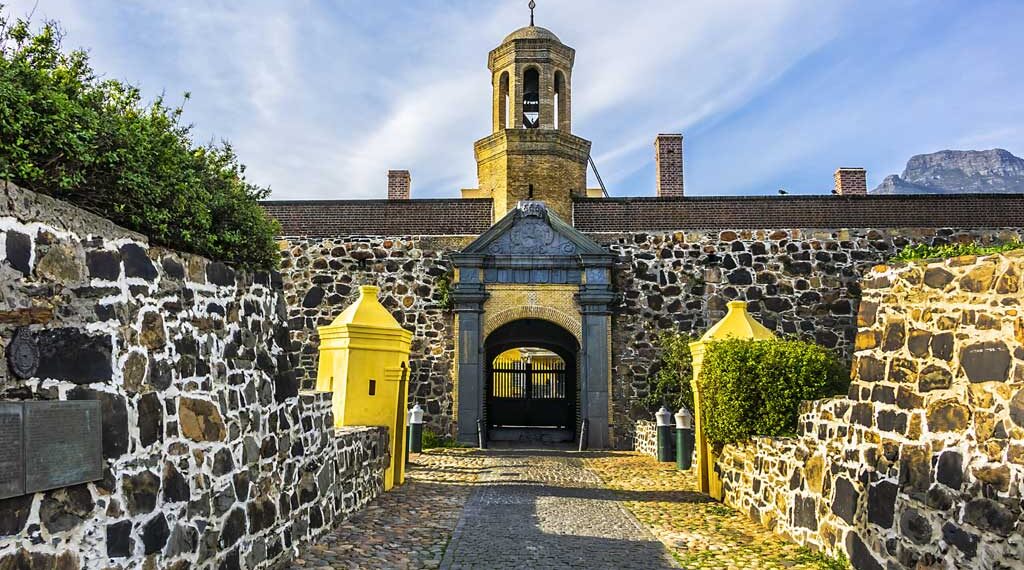
Cape Town’s Castle of Good Hope is where the city’s story begins. Built between 1666 and 1679 by the Dutch East India Company, this star‑shaped bastion fort is the oldest surviving colonial building in South Africa. Within its thick walls you’ll find cool passageways, echoing courtyards, military relics, art and furniture collections, and viewpoints from which Table Mountain still looms like an ancient sentry. It’s a compact site you can easily explore on your own in an hour or two—provided you know where to go and when to arrive.
Use this guide to plan a smooth, self‑guided history walk: the must‑see rooms, the best times to dodge queues, practical entry details, and our favourite coffee and lunch stops a few minutes’ stroll away.
Essential info at a glance
- Location: Corner of Castle and Darling Streets, Cape Town CBD (a few minutes’ walk from City Hall and the Grand Parade)
- Opening hours: Generally 09:00–16:00 daily; closed 25 December and 1 January. Confirm hours before you go, especially around public holidays.
- Admission: Adults around R50; children discounted. Prices can change—check the noticeboard or official site on the day.
- Guided tours: Typically offered late morning and early afternoon (often around 11:00, 12:00 and 14:00). Times can vary, so verify at the ticket office when you arrive.
- Ceremonies: Weekday “Key Ceremony” and signal cannon demonstration are scheduled most mornings—ask for exact times on arrival.
- Time needed: 60–90 minutes for a thorough self‑guided visit; add 30 minutes if you join a guided tour.
When to go to avoid queues
- Be there for opening (around 09:00): You’ll have courtyards and bastions to yourself before the late‑morning tour crowds arrive.
- Mid‑afternoon lull (about 13:30–15:00): After lunch, the site tends to thin out. This is a relaxed window for photography and the art galleries.
- Cruise‑ship days: Expect more group tours on days when large ships are in port. If your schedule is flexible, visit on a non‑cruise day or use the mid‑afternoon lull.
- Catch the ceremony smartly: If you want the weekday Key Ceremony and a tour, arrive about 20–30 minutes beforehand to buy tickets and get to the mustering point without rushing.
A simple self‑guided route (60–90 minutes)
Follow this easy loop to see the highlights without backtracking.
1) Main Gate and Moat (5 minutes)
- Start at the arched entrance over the moat. Pause to admire the fortress walls and the star‑shaped layout that once faced the original shoreline of Table Bay (the sea now lies farther away due to land reclamation).
2) De Kat Balcony and Bell Tower (10 minutes)
- Inside the first courtyard, look up to the ornate De Kat Balcony, used historically for proclamations and salutes. If open, step onto the balcony for a commanding view of the parade ground and Table Mountain.
3) Dolphin Pool (10 minutes)
- One of the Castle’s most photogenic corners. The elegant, restored pool—complete with dolphin motifs—hinted at the status of the governor’s residence. Early morning light is best for photos.
4) Governor’s Quarters and the William Fehr Collection (20 minutes)
- Wander through rooms furnished with the William Fehr art and furniture collection: paintings of the Cape, finely crafted Cape Dutch pieces, porcelain, and textiles. These rooms bring to life daily scenes and power structures of colonial Cape Town.
5) Castle Military Museum (15 minutes)
- Exhibits trace centuries of military presence at the Cape, from uniforms and weaponry to personal stories of soldiers stationed here. It provides essential context for the fort’s strategic role.
6) Cells and Dark Passages (10 minutes)
- Step carefully into the prison cells and dim corridors. Interpretive panels explain the Castle’s grimmer chapters, including punishment and incarceration. Sensitive for younger visitors—use your discretion.
7) Bastions and Ramparts (10–15 minutes)
- Climb to one of the five bastions—Leerdam, Buuren, Katzenellenbogen, Nassau, or Oranje—for city views and a sense of the fort’s defensive design. Look for cannon placements and sightlines towards Table Bay.
8) Chapel and Inner Courtyards (5–10 minutes)
- The simple chapel and arcaded walkways offer a quiet close to your loop. You’ll exit through the main gate near the shop.
Tip: If a guided tour is about to start as you arrive, consider joining it first for an overview, then loop back on your own to linger where you like.
Must‑see rooms and exhibits
- De Kat Balcony: Ornate, ceremonial balcony—symbol of colonial authority and still one of the best photo angles in the Castle.
- Dolphin Pool: A graceful, restored water feature that hints at 18th‑century aesthetics and status.
- William Fehr Collection: Period paintings, maps, and Cape furniture contextualize how the Cape looked and was imagined in earlier centuries.
- Castle Military Museum: Clear storytelling on the fort’s strategic purpose across Dutch and British periods.
- Prison Cells and Punishment Rooms: Stark spaces illustrating the Castle’s punitive history; interpretive boards keep the focus on human stories.
- Bastions and Cannon: Walk the ramparts to understand how a star fort defends itself; the geometry and fields of fire make sense from above.
Ceremonies and tours: what to expect
- Weekday Key Ceremony: A short, theatrical re‑enactment by uniformed guards that evokes the ritual of unlocking the fortress. Often paired with a signal cannon demonstration—ask at the gate for the day’s schedule.
- Guided tours: Usually included in your ticket at set times late morning and early afternoon. Guides cover architecture, military strategy, colonial governance, and folklore. Even if you prefer to wander, a 30–45 minute tour adds rich context.
Tickets, facilities and accessibility
- Tickets: Buy at the main gate on arrival; card payments are usually accepted. Lines are shortest at opening and mid‑afternoon.
- Facilities: Restrooms, a small shop, and shaded benches in the courtyards.
- Accessibility: Surfaces are mostly cobbled with occasional steps; ground‑floor exhibits are reachable, but bastions and some rooms involve stairs. Wear supportive footwear.
- Photography: Generally permitted without flash in art rooms. Tripods may require permission.
- Family notes: Open courtyards and ramparts are engaging for kids, but the prison areas can be intense. Set expectations ahead of time.
Getting there
- On foot: 2–5 minutes from City Hall and the Grand Parade; about 15–20 minutes from the V&A Waterfront precinct.
- MyCiTi bus: Alight at Civic Centre; it’s a 10–12 minute walk along Hertzog Boulevard and Darling Street.
- City Sightseeing bus: There’s a convenient stop at or near the Castle—handy if you’re on a hop‑on, hop‑off circuit.
- Ride‑hail/taxi: Ask to be dropped at the Castle entrance on Castle/Darling Street.
- Parking: Limited street parking on Darling and Strand Streets; arrive early if you’re driving.
Safety note: The CBD is busy by day. As with any city, keep valuables out of sight, avoid isolated streets after dark, and use ride‑hailing if you’re leaving late.
Coffee and lunch nearby (5–12 minutes’ walk)
- Truth Coffee Roasting (Buitenkant Street): Award‑winning roastery with theatrical interiors; go for flat whites, cold brew, and hearty breakfasts.
- New York Bagels (Harrington Street): Casual, quick, and consistently good—lox and cream cheese, strong coffee, and rugelach to go.
- Dias Tavern (Caledon Street): Cape Town favourite for Portuguese‑style peri‑peri chicken, espetada, and calamari; relaxed and affordable.
- Eastern Food Bazaar (Longmarket Street): A lively, budget‑friendly canteen with Indian, Middle Eastern, and Chinese counters. Great for groups with mixed tastes.
- Swan Café (Buitenkant Street): French crêperie—savory galettes and sweet crêpes; light, elegant lunch.
- The Company’s Garden Restaurant (within the gardens, 12–15 minutes): Leafy outdoor seating and Cape‑inspired plates; combine with a stroll under ancient trees.
Pair it with nearby history stops
- City Hall and the Grand Parade: Nelson Mandela delivered his first public address here after his release in 1990—look up at the iconic balcony.
- District Six Museum: A sobering, essential stop about forced removals under apartheid. It’s about a 6–8 minute walk from the Castle.
- The Company’s Garden: Cape Town’s original vegetable garden; now a tranquil park anchored by several Iziko museums.
Where to stay nearby
If you want to be close to the Castle and the Waterfront, base yourself in the CBD/Waterfront fringe for an easy, car‑free day.
- Walkable to the Castle and the Waterfront: Walk to the V&A Waterfront from a Charming Apartment. A stylish, self‑catering one‑bed that puts you minutes from the Castle, City Hall, and the Zeitz MOCAA.
Love waking to sea views but still want quick access to the CBD? Stay along the Milnerton coastline (a direct MyCiTi ride to the Civic Centre, then a short walk to the Castle):
- Panoramic Table Mountain views: Postcard Views of Table Mountain. Generator for elevator. A serviced two‑bed with sweeping bay vistas and easy bus links into town.
Sample 90‑minute self‑guided itinerary
- 00:00–00:10 Enter via the moat, explore the first courtyard, and time your day with the ticket office’s tour/ceremony board.
- 00:10–00:25 De Kat Balcony and Bell Tower; photos toward Table Mountain.
- 00:25–00:35 Dolphin Pool; continue through passageways to the governor’s wing.
- 00:35–01:00 William Fehr Collection rooms and the Military Museum.
- 01:00–01:10 Prison cells and interpretive displays.
- 01:10–01:25 Walk a bastion for skyline and cannon views.
- 01:25–01:30 Exit via the shop and walk to coffee or lunch nearby.
Final tips for a smooth visit
- Wear supportive shoes: Cobblestones and stairs reward sensible footwear.
- Bring a hat and water: Courtyards can feel hot at midday even on breezy days.
- Check the board: Tour and ceremony times are posted at the entrance—build your loop around them.
- Allow extra time if you love art: The William Fehr rooms deserve an unhurried browse.
- Be mindful in the cells: Photography is fine, but keep it respectful—these are powerful, human stories.
With a little timing and a clear route, the Castle of Good Hope delivers a compact, compelling journey through 350 years of Cape Town’s past—no tour bus needed, just curious footsteps and an hour or two to spare.