Half‑Day Winelands Close to Cape Town: Groot Constantia and Klein Roosboom
Two tastings, one smart lunch, zero full‑day commitment. Here’s how to sip your way from Constantia history to Durbanville cave‑tastings in five relaxed hours.
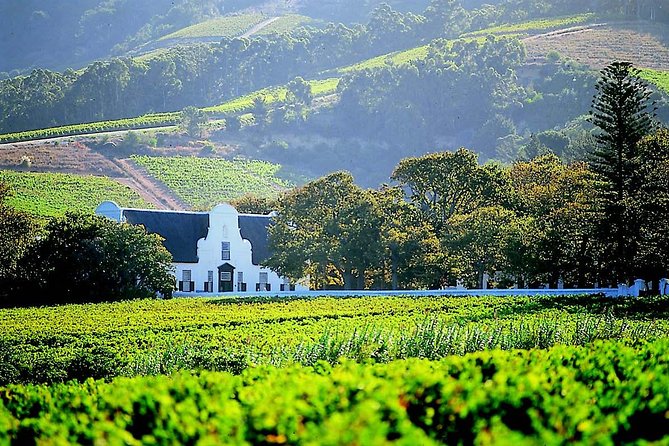
If you love the idea of a wine country escape but don’t want to commit a whole day to it, pair Groot Constantia with Klein Roosboom. In a single, easy half‑day from central Cape Town you’ll experience South Africa’s oldest wine estate and one of Durbanville’s most characterful boutique farms, with a leisurely lunch in between. This itinerary is built around realistic drive times, bookable tasting slots, and sensible designated‑driver options—so you can sip, savour and still be back in town for sunset.
Why this two‑estate combo works
- Short driving distances: Groot Constantia sits just 20–30 minutes from the City Bowl via the M3, while Klein Roosboom in Durbanville is about 30–40 minutes from Constantia (traffic‑dependent). You’ll spend more time tasting than travelling.
- Two contrasting moods: Groot Constantia brings Cape heritage—white‑gabled architecture, oak avenues and museum rooms—while Klein Roosboom offers playful, intimate tastings in converted “cave” rooms carved from old wine tanks.
- Flexible half‑day pacing: Start mid‑morning, break for lunch, finish with an afternoon tasting. Or flip it and go post‑lunch first sip, then golden‑hour finish.
- Easy to book: Both estates run structured tasting slots that are simple to reserve online or by phone. Weekends fill up; weekdays are pleasantly calm.
The smart 5‑hour plan (with two variations)
Below are two tested timelines that keep driving light and tasting unhurried. Always check each estate’s current opening hours and live availability when you book.
Option A: Classic late‑morning start
- 09:30 — Leave central Cape Town (or Milnerton) for Groot Constantia via the M3.
- 10:00–11:10 — Groot Constantia tasting (allow 60–70 minutes). Add 20 minutes if you want a quick museum walk or cellar visit.
- 11:15–12:30 — Lunch either on the estate or nearby (details below).
- 12:35 — Depart for Klein Roosboom (Durbanville), routing via the M5/N1 or M3/N1 depending on traffic.
- 13:15–14:30 — Klein Roosboom “cave” tasting (booked slot, ±60–75 minutes).
- 14:35–15:15 — Return to the city or coast before rush hour.
Option B: Afternoon glow and lighter lunch
- 11:00 — Easy departure; quick coffee stop en route if you like.
- 11:45–12:45 — Casual early lunch (Constantia). Keep it light if you’re tasting next.
- 13:00–14:10 — Groot Constantia tasting.
- 14:15 — Drive to Klein Roosboom.
- 14:55–16:10 — Klein Roosboom tasting as the valley softens into late‑afternoon light.
- 16:15–17:00 — Back in Cape Town in time for a sea‑view stroll.
Booking your tastings (what to reserve and when)
Groot Constantia
- What to book: Either a tasting‑only slot or the Visitor’s Route (a popular bundle that typically includes a self‑guided audio tour, museum access and a tasting with souvenir glass). If you’re tight on time, tasting‑only keeps you efficient.
- Timing: First tastings usually begin late morning and run through mid‑afternoon; last pours tend to be late afternoon. Book ahead on weekends and during summer. Walk‑ins are often possible mid‑week, but not guaranteed.
- How long: 60 minutes covers the tasting comfortably; 90 gives space for photos under the oaks or a peek inside the manor museum rooms.
Klein Roosboom (Durbanville)
- What to book: The signature “cave” tasting in the converted fermentation tanks—each little room has character and limited seating. These fill quickly; pre‑book is essential, especially Fridays to Sundays.
- Timing: Slots typically run from late morning to mid‑afternoon in 60–75 minute blocks. Choose a time that avoids peak traffic for your return drive.
- How long: 60–75 minutes is ideal. Add 30–45 minutes if you plan to sit down for dessert or a coffee after.
Tip: Aim for a 60–90 minute gap between bookings to allow for a relaxed lunch and the cross‑town drive. Add buffer if it’s school‑run or rush‑hour.
A smart lunch between tastings
You’ve got three excellent strategies depending on your appetite and timing:
1) On‑estate and effortless (Groot Constantia)
- Jonkershuis Eatery: Cape heritage plates shaded by ancient oaks. Great for a sit‑down salad, bobotie or seafood—quick if you reserve.
- Simon’s Restaurant: Casual bistro classics, generous portions, and a lawn for kids to stretch their legs.
- Why it works: Zero extra driving, consistent quality, and you can calibrate the duration to your next booking.
2) Constantia Nek or neighbouring estates (2–8 minutes’ drive)
- La Parada Constantia Nek: Tapas and quick plates with valley views; ideal for a sharable, time‑sensitive lunch.
- Bistro Sixteen82 (Steenberg): A stylish option for small plates if you prefer a more contemporary feel; book if you’re there over a weekend.
- Why it works: You’ll avoid the lunch rush right at Groot Constantia on peak days, and the menus suit a light‑plus‑flavourful pre‑tasting meal.
3) Save lunch for Durbanville
- Jéan Restaurant at Klein Roosboom: If your first tasting runs until noon, consider booking a later slot at Klein Roosboom and making lunch the prelude to your second tasting, or plan dessert/cheese there.
- Why it works: Breaks the day into two distinct valley moods and keeps the Constantia stop laser‑focused on tasting and heritage.
Booking tip: Weekends in both valleys are popular with locals. Pre‑book a table even for a “quick” lunch to avoid queues eating into your itinerary.
What to taste at each estate (and why)
Groot Constantia
- Sauvignon Blanc and Chardonnay: Classic Cool Cape freshness, citrus and stone‑fruit—benchmark expressions of coastal white wine.
- Shiraz and Merlot: Polished reds that show Constantia’s ability to do both poise and depth.
- Cape heritage sweet wine: Ask about current pours if you’re curious; heritage dessert styles from Constantia have a storied place in wine history.
- Tasting approach: Start with the whites to calibrate your palate to the coastal style, then move to the reds. If you’re sensitive to tannin, request a pour order that builds gently.
Klein Roosboom (Durbanville)
- Sauvignon Blanc: Durbanville is famed for grassy, citrus‑zest Sauvignon with cool‑climate lift—this is often your must‑try.
- Chardonnay: Frequently more restrained, with orchard fruit and discreet oak—excellent food wine.
- Méthode Cap Classique (sparkling): If available, a great palate refresher before or after the still wines.
- Red blends: Cooler nights can yield perfumed reds with finesse; ask the team what’s showing best on the day.
Pro tip: Keep a little water bottle in the car and on the table. Hydration is the simplest way to keep your senses sharp and your schedule happy.
Designated‑driver and transport choices (safe and simple)
- Dedicated driver among your group: The safest budget option. South Africa’s legal blood‑alcohol limit for drivers is low; the only safe strategy if you’re driving is to skip alcohol altogether.
- Ride‑hailing (Uber/Bolt): Works well to/from the city and between estates. Allow extra time for pick‑ups on farms; set your precise pin by the tasting room and confirm the driver’s destination.
- Private driver for 4–6 hours: Many operators offer half‑day charters. Expect door‑to‑door convenience, luggage space for wine, and stress‑free routing.
- Small‑group half‑day tour: If you prefer not to self‑plan, some services run condensed Winelands runs with two tastings. Check they include Constantia and Durbanville specifically—many stick to Stellenbosch/Franschhoek.
Money and safety notes
- Split fares: If ride‑hailing both ways, compare the cost of a half‑day driver—once you factor two hops plus waiting, a private charter can be surprisingly close in price for 3–4 people.
- Don’t drink and drive: Enforcement is active, and more importantly, roads between the valleys are busy at peak times. Plan a sober wheel or a chauffeur from the start.
Practical timing, traffic and packing tips
- Book the last tasting no later than mid‑afternoon if you want to beat rush hour back into town.
- Summer weekends: Reserve tastings and lunch a week or more in advance; shoulder seasons are more forgiving.
- Parking: Both estates offer on‑site parking close to tasting rooms—easy in/out.
- What to wear: Smart‑casual and comfortable shoes; tasting rooms are relaxed, and you may wander lawns or cellar corridors.
- Weather: Constantia can be breezy and cooler under Table Mountain’s flank; bring a light layer. Durbanville warms quickly on clear days.
- Shipping and luggage: Most estates can arrange local or international shipping, or provide protective sleeves for checked luggage. Keep receipts for customs and airline allowances.
- Kids and non‑drinkers: Both stops are scenic and welcoming. Order a coffee, a soft drink or sparkling water and enjoy the architecture (Groot Constantia) or quirky cave spaces (Klein Roosboom).
Route guidance and realistic drive times
- City Bowl/Waterfront to Groot Constantia: 20–30 minutes via the M3 (slightly longer in school‑run peaks). Allow 10 extra minutes for parking/photo stops among the oaks.
- Groot Constantia to Klein Roosboom: 30–40 minutes. Your navigation app will likely send you M3→M5→N1 (or similar). Keep an eye out for variable speeds approaching the N1 interchanges.
- Klein Roosboom to City Bowl/Atlantic seaboard: 25–45 minutes depending on peak‑hour flow.
Always check live traffic (Google Maps/Waze). If the N1 is thick, routing via the M7 can be gentler.
Add‑ons if you have an extra hour
- Kirstenbosch detour: If you start early, an hour’s wander along the Boomslang canopy walkway pairs beautifully with Groot Constantia’s heritage vibe.
- Bloubergstrand photo stop: After Klein Roosboom, head 20 minutes west for postcard Table Mountain views across the bay.
Where to stay to make this half‑day effortless
Base yourself within quick reach of both valleys and the city’s dining scene. Two excellent self‑catering options we manage:
- Walk to the V&A Waterfront from a Charming Apartment — A calm, central one‑bed that puts you close to the M3 for Constantia and the N1 for Durbanville, plus easy evenings on the Waterfront.
- Postcard Views of Table Mountain. Generator for elevator. — In Milnerton with sweeping bay vistas, perfectly positioned between town and the northern wine valley; a quick hop to Blouberg for sunset after your tastings.
Prefer ocean panoramas from every room? Our Milnerton collection also includes two‑bedroom serviced apartments with secure parking and fast city access.
Frequently asked questions
- Do I need to pre‑book both tastings? Strongly recommended. Klein Roosboom’s cave rooms are limited‑seating; Groot Constantia is larger but weekends are busy.
- How many wines will I taste? Flight sizes vary by estate and package. Plan on 4–6 pours per tasting and sip, don’t finish, if you’re comparing styles.
- Can I do this without a car? Yes. Combine ride‑hailing with careful slot spacing, or hire a private driver for 4–6 hours.
- Is there a picnic option? Groot Constantia’s lawns are gorgeous, but verify current picnic policies. Restaurants on site are the simpler bet.
- What if the weather turns? Tastings are indoors or under covered verandas; rain won’t spoil the day. Bring a light layer for Constantia’s shade.
The nutshell: two tastings, no rush
With a 10:00 start, a shaded Constantia lunch, and a mid‑afternoon cave tasting in Durbanville, you’ll compress centuries of Cape wine heritage and one of the region’s most original tasting experiences into a relaxed five hours. Book your slots, line up a sober driver or half‑day transfer, and let the valleys do the rest.
When you’re done, carry your bottles back to your short‑stay base, watch Table Mountain blush at sunset, and toast a perfectly measured Winelands escape—no full‑day tour required.