The History of Green Point, Cape Town
Green Point has long been a focal point of Cape Town's cultural and social life.
Green Point is one of Cape Town's most vibrant and sought-after neighbourhoods, with a rich history that stretches back to the earliest days of the city. Today it is a cosmopolitan hub of restaurants, apartments, and cultural attractions, but its story is one of remarkable transformation over the centuries.
Early History
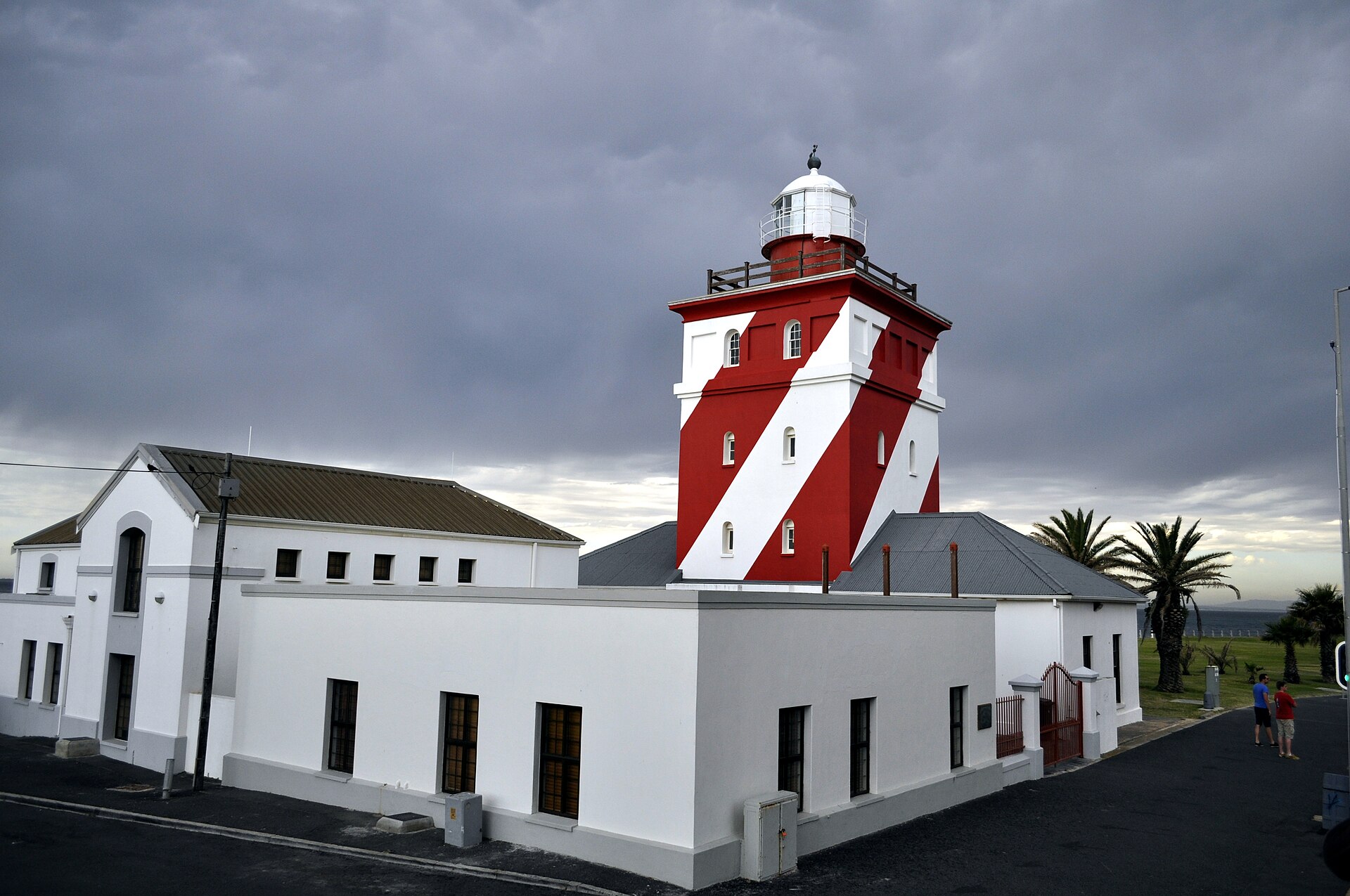
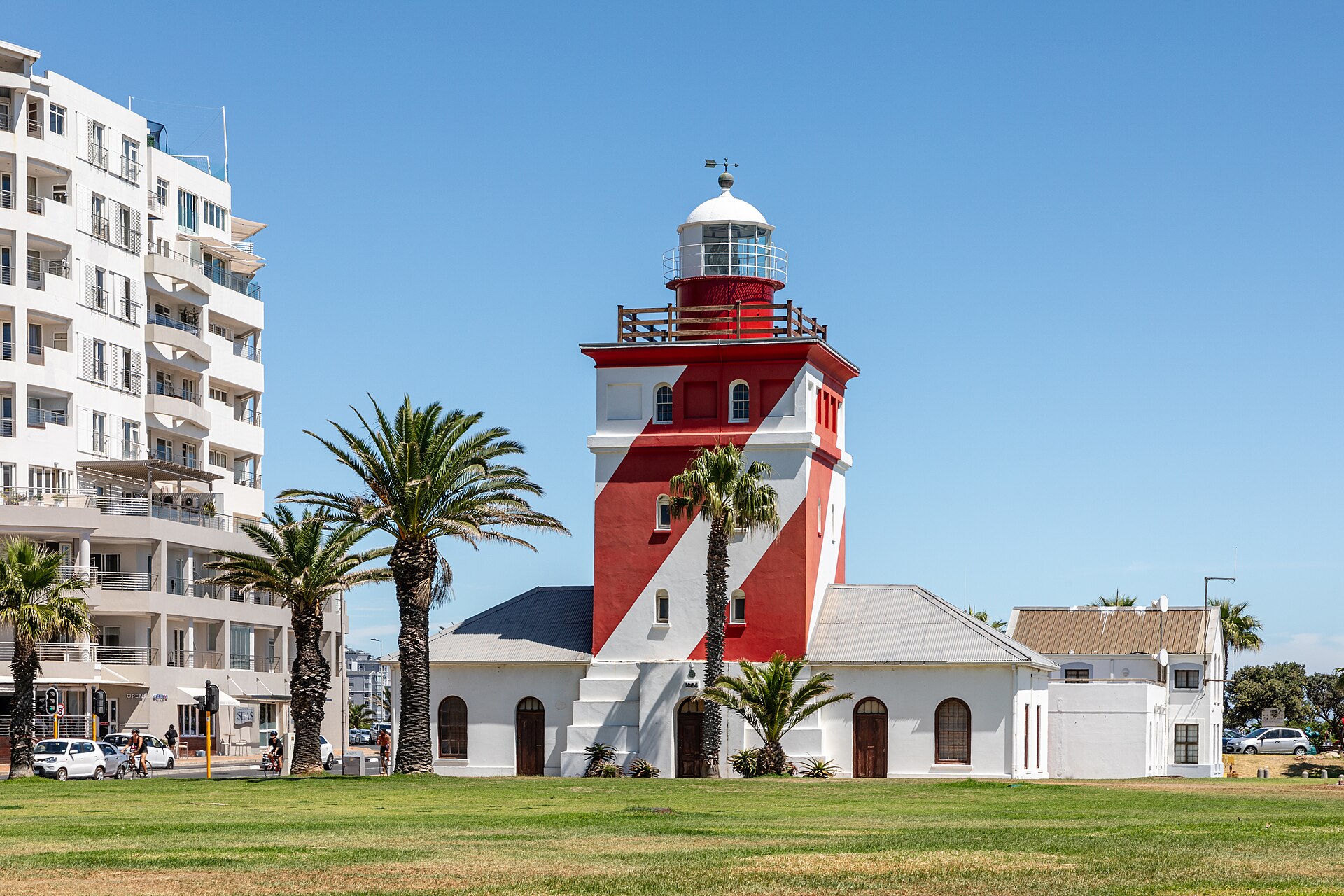
Green Point takes its name from the lush, green common land that originally lay between the city and the sea. In the early days of the Dutch East India Company's settlement at the Cape, the area was used as grazing land and later became a popular gathering spot for residents. The Green Point Common, as it became known, was one of the city's most important open spaces and played a significant role in the social and recreational life of early Cape Town. The area was also home to the Green Point Lighthouse, first lit in 1824, making it the oldest operational lighthouse in South Africa.
Development Through the Centuries
During the 19th and early 20th centuries, Green Point developed into a residential neighbourhood with a mix of Victorian and Edwardian buildings. The area became known for its sporting facilities, including the Green Point Track, which hosted athletics and cycling events. The neighbourhood also had a strong connection to Cape Town's maritime history, with many residents working in shipping and related industries. Throughout the 20th century, Green Point evolved from a primarily working-class area into one of the city's most desirable residential neighbourhoods.
Green Point Stadium and the 2010 World Cup
The defining moment in Green Point's modern history was the construction of the Cape Town Stadium (now DHL Stadium) for the 2010 FIFA World Cup. The striking 55,000-seat stadium was designed by German firm GMP Architects and built on the site of the old Green Point Stadium. Its construction catalysed a major transformation of the entire neighbourhood, with new roads, public spaces, and infrastructure developments following in its wake. The stadium has since hosted major sporting events, concerts, and cultural festivals, becoming an iconic landmark on the Cape Town skyline.
Modern Green Point Lifestyle
Today, Green Point is one of the most walkable and liveable neighbourhoods in Cape Town. The area is characterised by a mix of contemporary apartment buildings, boutique shops, and some of the city's best restaurants and cafés. Main Road and Somerset Road form the commercial spine of the neighbourhood, lined with everything from artisanal bakeries to fine-dining establishments. The neighbourhood attracts a diverse, cosmopolitan community of professionals, creatives, and visitors. PrimePlaces offers a selection of premium apartments in Green Point, providing the perfect base for exploring the city.
Green Point Park
Green Point Park, also known as the Green Point Urban Park, was created as part of the 2010 World Cup legacy developments. The 12.5-hectare park is one of the finest urban parks in Africa, featuring a biodiversity garden, outdoor fitness stations, a labyrinth, children's play areas, and beautifully landscaped indigenous gardens. The park is free to enter and is a beloved gathering place for residents and visitors alike. It connects seamlessly to the Sea Point Promenade, one of Cape Town's most popular walking and jogging routes, creating a continuous green corridor along the Atlantic seaboard.