Inside the Heart of Cape Town Museum: Reliving the First Human Heart Transplant
Plan a meaningful visit to the Heart of Cape Town Museum, then unwind with a leafy Company’s Garden stroll. Expect vivid exhibits, a guided tour, and practical tips for timing and tickets.
Why this museum belongs on your Cape Town list
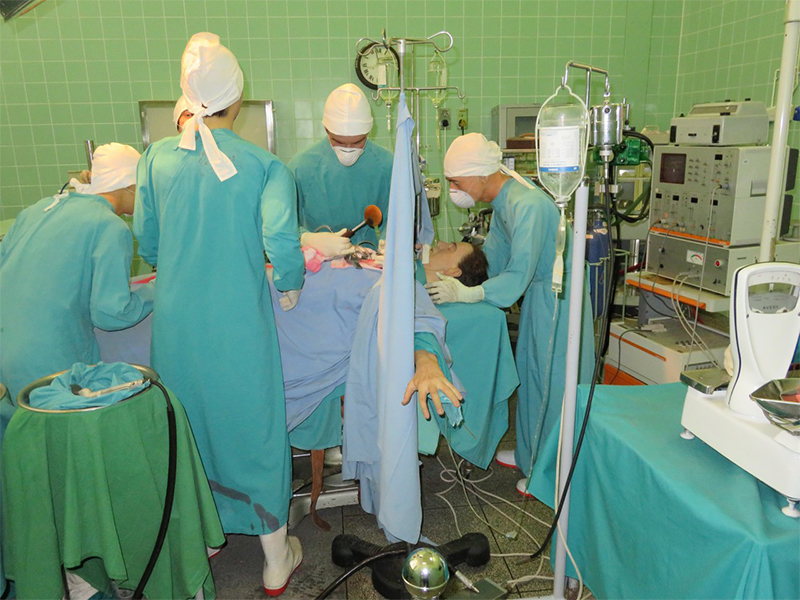
Stand in the very operating theatres where surgical history was made. At the Heart of Cape Town Museum, inside Groote Schuur Hospital in Observatory, you follow the gripping story of the first human heart transplant performed by Professor Christiaan Barnard and his team in December 1967. It is an intimate, guided experience that blends science, ethics, and human drama — and it pairs perfectly with a calm city-center wander through the Company’s Garden afterward.
This guide sets clear expectations for the exhibits, explains the ideal visit length, demystifies ticketing and logistics, and shows you how to link the museum with a scenic walk amid centuries-old trees in the heart of the CBD.
What to expect inside the Heart of Cape Town Museum
This is not a conventional gallery of glass cases. The museum is staged in the Old Main Building at Groote Schuur Hospital, using the original rooms connected to the 1967 operation. Expect a guided journey that feels theatrical at times and deeply informative throughout.
Highlights typically include:
- The original operating theatres, restored to late-1960s layout and lighting, with period equipment and meticulous set dressing.
- Life-size scene reconstructions that bring key moments to life, from donor identification and organ retrieval to the transplant itself.
- Personal stories of the people involved, including donor Denise Darvall and recipient Louis Washkansky, contextualised with photos, letters, and press clippings that shook the world.
- Insights into the research that led up to the breakthrough, the surgical team’s preparation, and the medicines and techniques used to combat rejection in that era.
- Thoughtful exploration of the ethical debates sparked by the operation, including evolving definitions of death and consent.
The tone is respectful and human-focused. While nothing is gratuitously graphic, some surgical reconstructions are vivid and can be intense for sensitive visitors or young children. If you have teenagers keen on medicine or history, this is gold; for younger kids, consider prepping them in advance or choosing seats farther from the more realistic scenes.
How long to allow, and the best time to go
- Ideal time on site: Plan for 2 to 2.5 hours door to door. The core guided tour usually runs close to two hours. Add an extra 10 to 15 minutes for hospital security sign-in and finding the entrance in the Old Main Building.
- Tour cadence: Tours run at set times with a dedicated guide. Arriving early pays off — latecomers may need to join a later slot. If you are on a tight schedule, book a morning tour so you have wiggle room for lunch and an unhurried afternoon in the Company’s Garden.
- Group size and pace: Groups are typically small enough for questions, and the guide encourages interaction. The route includes several rooms; there are benches at some stops but you will be standing for portions of the visit.
- Accessibility: Corridors are hospital-width and generally accessible, with lifts in the building. If you use a wheelchair or have specific mobility needs, contact the museum ahead of time to confirm access via the most suitable entrance and lift.
Tickets, booking and practical logistics
- How to book: Advance booking is strongly recommended, especially during school holidays and over weekends. Check the museum’s official site or call ahead to reserve a tour time. Walk-ins may be accommodated if space allows.
- Pricing: Expect mid-range museum pricing for Cape Town; a guided tour is included in your ticket. Concession rates for students and seniors are often available. Always verify current rates and tour times directly with the museum.
- Location: Groote Schuur Hospital, Main Road, Observatory. The museum is signposted within the hospital precinct; allow a few extra minutes to navigate the campus.
- Getting there: Rideshare is the simplest option from the CBD or V&A area, typically 10 to 20 minutes depending on traffic. If you self-drive, there is visitor parking near the Old Main Building, but bays can fill during weekday clinic hours.
- Security check-in: As you are entering an active hospital, you may be asked to sign in with security. Carry a photo ID and have your booking confirmation handy.
- Photography: Non-flash photography is often permitted in certain rooms. Ask your guide what is allowed in each space.
The exhibits in more detail
To help you decide if this is your kind of museum, here is how the narrative typically unfolds:
- Prelude to a milestone: You start with the global medical context of the 1960s, tracing how heart-lung machines, surgical techniques, and immunology progressed toward a moment that once seemed impossible.
- The people behind the headlines: You meet the surgical team and care staff through profiles and photos — not just Barnard, but the many clinicians, nurses, and technicians whose work made the surgery feasible.
- The donors and recipients: Sensitive, well-researched storytelling introduces Denise Darvall and her family, and Louis Washkansky, the desperately ill grocer whose life intersected with history. The museum presents this with gravitas and care.
- Inside the theatre: The restored operating rooms are the emotional core. You will see period machines, lighting rigs, and instruments set as they were during the night of the operation. Guides explain the sequence step by step, from donor heart perfusion to the final sutures.
- Aftermath and ethics: Finally, the exhibit explores what happened next — the global media blaze, the patient’s course in intensive care, and the medical, ethical, and legal ripples that continue to shape transplant medicine today.
Expect to leave with both a clearer grasp of the medical mechanics and a profound sense of the human courage and complexity behind the headlines.
Pair it with a serene Company’s Garden stroll
After the intensity of the museum, the Company’s Garden in the city center offers leafy decompression. Planted in the 1650s and lined with historic buildings, it is one of Cape Town’s most peaceful public spaces.
- Getting from the museum to the Garden: From Groote Schuur Hospital, a rideshare to Government Avenue typically takes 10 to 20 minutes outside of rush hour. Ask to be dropped near the Company’s Garden Restaurant or the Iziko South African Museum entrance.
- Where to eat: The open-air Company’s Garden Restaurant is ideal for a relaxed lunch under camphor trees. There are also casual coffee spots around Church Square and St George’s Mall a few minutes’ walk away.
- What to see in an hour:
- Government Avenue promenade, shaded by grand oaks and frequented by photogenic squirrels and pigeons.
- Iziko South African Museum and the adjoining Planetarium building, for those who want to keep the learning vibe going. Even if you skip the exhibits, the architecture and setting are lovely.
- Rose beds, water features, and sculptures dotted along the lawns, perfect for a pause to process what you learned at the museum.
- Facades of key heritage sites bordering the Garden, including Parliament and St George’s Cathedral, which add historical context to your afternoon.
- Best time to go: Mid-afternoon light is gorgeous for photos, and the Garden feels friendly and lively until late afternoon. Stick to daylight hours and keep valuables discreet, as you would in any large city.
A simple half-day plan that works
- 9:45 Arrive at Groote Schuur Hospital, sign in, and find the Old Main Building entrance.
- 10:00 to around 12:00 Guided tour of the Heart of Cape Town Museum.
- 12:10 Book a rideshare to the Company’s Garden.
- 12:30 to 13:30 Lunch at the Company’s Garden Restaurant.
- 13:30 to 15:00 Unhurried loop along Government Avenue, pausing by the Iziko South African Museum and lawns.
- 15:00 Optional add-on: dip into a nearby gallery or coffee stop before heading back to your accommodation.
Practical tips from our local team
- Weekdays vs weekends: Weekday mornings can be calmer at the museum, but parking is busier due to hospital clinics. Weekends bring more visitors but easier parking. In both cases, pre-booking is wise.
- Younger visitors: The storytelling is compelling for curious teens. For children under 10, consider whether the surgical reconstructions might be too vivid and plan to step out briefly if needed.
- Clothing: Theatres are climate-controlled; bring a light layer. For the Company’s Garden, comfortable walking shoes and sun protection make all the difference.
- Weather backup: The museum is fully indoors, making it a great rainy or windy day anchor. If the weather turns during your Garden stroll, you can shelter in nearby cafes or pivot to an indoor exhibit at the Iziko South African Museum.
- Respectful conduct: Remember you are moving through spaces that remain part of an active hospital complex. Follow guide instructions and keep voices low in transitional corridors.
Where to stay for easy access
Base yourself close to the CBD for quick hops to Observatory and the Company’s Garden, or choose postcard views a short drive away on the Table Bay coastline.
- For a car-free city day, consider Walk to the V&A Waterfront from a Charming Apartment. From here, it is a quick rideshare to Groote Schuur and an easy stroll to the Company’s Garden.
- If you prefer sweeping ocean-and-mountain panoramas with straightforward road access into town, look at Postcard Views of Table Mountain. Generator for elevator. or Amazing Ocean Views from Every Room. in Milnerton. Both are self-catering short-stay options with effortless city connections outside of peak rush hour.
Each PrimePlaces serviced apartment is professionally managed, with reliable Wi‑Fi and thoughtful amenities, giving you a calm base after an information-rich morning at the museum and a leafy afternoon in the Garden.
The takeaway
The Heart of Cape Town Museum is one of the city’s most affecting cultural experiences — a two-hour deep dive into a moment that reshaped modern medicine, told in the very rooms where it happened. Pair it with a gentle walk through the Company’s Garden to balance intensity with tranquility, and you have a half day that captures Cape Town’s blend of brainy, beautiful, and profoundly human.