Milnerton Kitesurfing for First‑Timers: Wind, Lessons & Safe Viewpoints
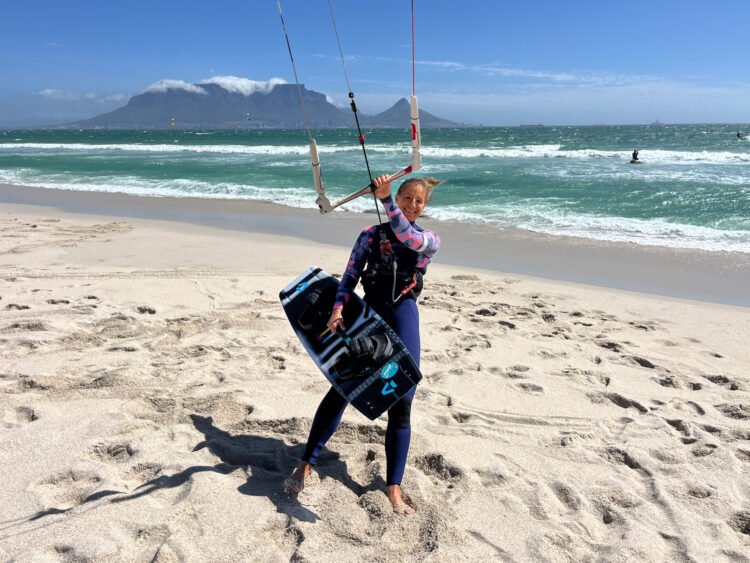
New to kitesurfing in Cape Town? Here’s how the Cape Doctor works at Milnerton, when conditions are ideal, who to learn with, and where to watch safely on Woodbridge Island.
If you’ve ever seen bright kites arcing across a cobalt sky with Table Mountain as the backdrop, there’s a good chance you were looking at Milnerton. This stretch of coast, just north of Cape Town’s city centre and adjacent to Woodbridge Island, lights up when the famous Cape Doctor blows. It’s spectacular to watch, and—with the right prep and lessons—a rewarding place to start your kitesurfing journey.
This beginner-friendly guide demystifies the wind, lays out the best time of year to ride or learn, suggests reputable lesson options, and pinpoints safe, scenic spots on the Woodbridge Island side to watch the action.
The Cape Doctor, explained (and why Milnerton loves it)
The Cape Doctor is Cape Town’s dry, cleansing south‑easterly wind. In summer, a stable high‑pressure system settles over the South Atlantic. As inland heat builds, cool ocean air rushes toward the city and accelerates around Table Mountain—often intensifying through a “mountain venturi” effect. The result is a consistent, cool, blue‑sky breeze that kiters dream about.
• Typical season: late spring through summer. Expect the most reliable wind from November to February, regularly nudging into March.
• Daily rhythm: breezes can start late morning, then ramp up through the afternoon. Milnerton often peaks mid‑afternoon when the tablecloth cloud drapes the mountain.
• Strength: 15–30 knots is common in summer surges; strong days can exceed that. Beginners will want the lighter edges of that range.
• Water: the Benguela Current keeps the Atlantic brisk. A 4/3 mm wetsuit is the safe, warm option; hardy locals may use a 3/2 on toasty days.
Why Milnerton? The long, open beach frames jaw‑dropping views of Table Mountain, while the fetch across Table Bay creates lively wind and rolling swell. On classic south‑easter days, advanced riders arc back and forth off the beach or start downwinders that finish farther north.
Is Milnerton beginner‑friendly?
Short answer: sometimes—but with caveats. Milnerton can be gusty and space can feel tighter around launch areas compared with the wide sands at Table View. On stronger days the wind and swell are better suited to confident kiters. For absolute first sessions, flat, shallow water accelerates your learning and safety.
A popular progression for newcomers is:
1) Do your first lessons in flat, protected water.
2) Practice board control and safe self‑rescue.
3) Graduate to small‑wave beaches on lighter wind days with a coach.
Cape Town has superb beginner venues within day‑trip reach. One standout is Langebaan lagoon (about 1 hour from Milnerton), widely regarded as an ideal flat‑water classroom on suitable wind and tide. Many Cape Town schools structure beginner courses around these safer, easier conditions before bringing you into small surf.
When conditions are ideal for first‑timers
• Season: November–February is prime for dependable wind; October and March can also deliver.
• Wind strength: target 12–20 knots for learning; stronger is possible once your kite handling and edging improve.
• Direction: you want side‑shore or side‑onshore. These angles naturally push you back toward the beach rather than out to sea.
• Tide and surf: beginner‑friendly sessions happen in mid to low swell and on manageable tides. Big, long‑period swell can make life difficult for learners.
• Temperature: cold Atlantic water means more energy burn—add snacks and hydration to your kit.
Tip: Wind forecasts often under‑ or over‑call the Cape Doctor’s afternoon punch. Local knowledge matters, so lean on your instructor for the day’s timing and spot choice.
Reputable lesson options: what to look for (and who to contact)
Choose a school that:
• Is certified (e.g., IKO or VDWS) and uses radio helmets for real‑time feedback.
• Can shuttle you to the best‑suited training spot of the day (e.g., flat water for early lessons, small waves later).
• Caps student‑to‑instructor ratios at 1:1 or 2:1.
• Teaches safety first: weather windows, right‑of‑way,…