Spotter’s Guide to Table Mountain Wildlife and Fynbos
King proteas, sugarbirds, dassies and more—here’s how to ID the Cape Floristic Kingdom’s stars on easy Table Mountain walks, plus when and where to look.
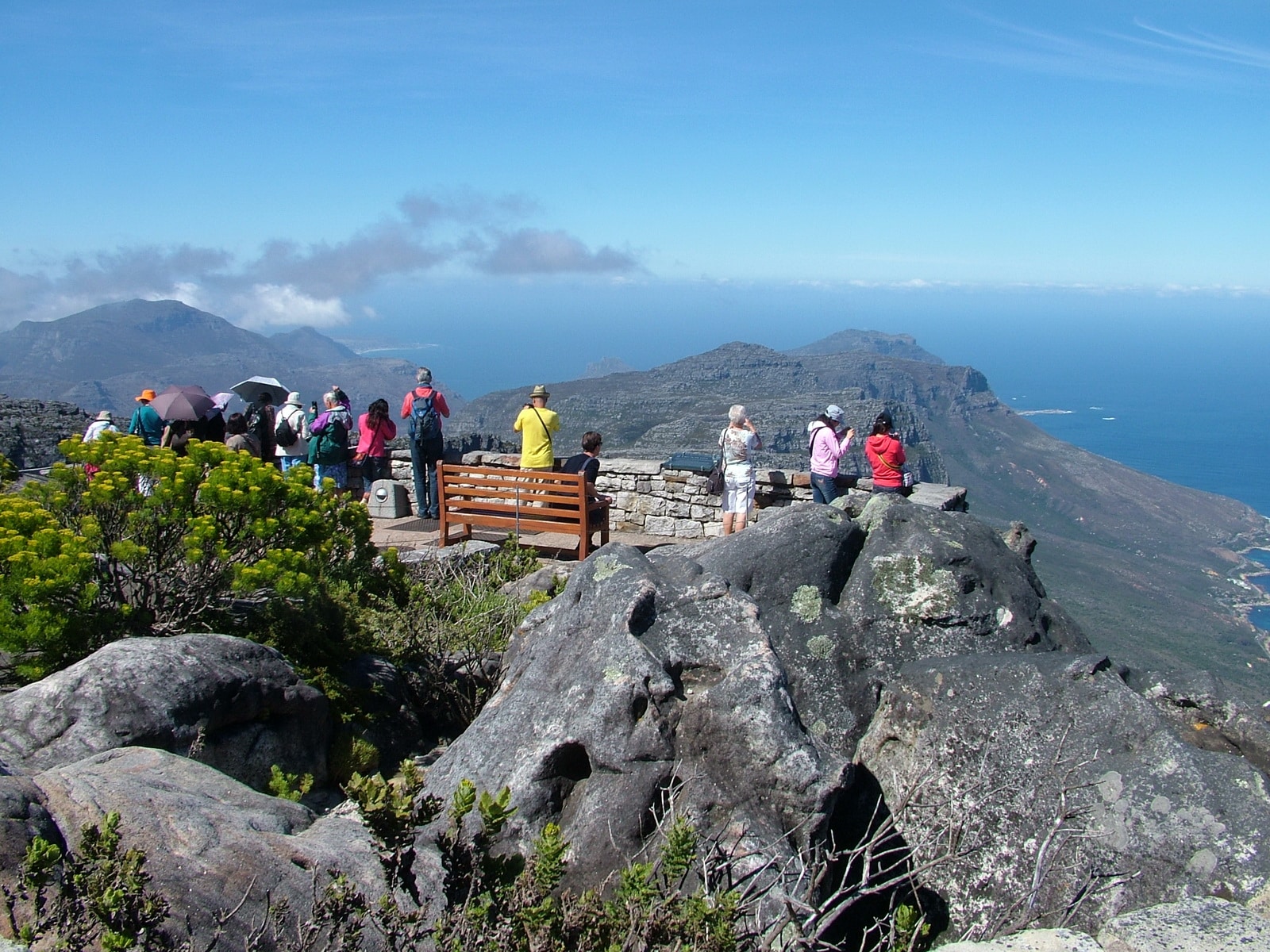
Cape Town’s famous mountain isn’t just a view; it’s a living field museum. Table Mountain sits inside the Cape Floristic Kingdom, the smallest and most diverse of the world’s six plant kingdoms, and the slopes pack in over 2,000 plant species alongside a surprising cast of birds, reptiles and small mammals. The good news for casual walkers: you don’t need a summit push to see it. On gentle paths like the Pipe Track, the Contour Path above Kirstenbosch, and the lower sections of Platteklip Gorge, you can spot signature fynbos plants and easy‑to‑recognize wildlife in a single morning.
This traveler’s field guide gives you friendly ID tips, specific places to look, the best seasons to visit, and simple etiquette so your sightings are great photos—not close calls.
Fynbos 101: what you’re looking at
Fynbos is a fire‑adapted shrubland unique to the Cape. It’s low, tough and dazzlingly diverse, dominated by four plant groups you’ll see again and again:
- Proteas (Proteaceae): The showpieces. Look for giant thistle‑like blooms of the king protea (South Africa’s national flower), sculptural tree pincushions (Leucospermum) with hundreds of pins, and cone‑bearing leucadendrons with papery bracts. Many proteas resprout or reseed after fire.
- Ericas (Ericaceae): Heaths with tiny bell or tube flowers in pinks, whites and reds. They often crowd rocky ledges and edges of paths.
- Restios (Restionaceae): Cape “reeds” that look like leafless grasses. They sway in the wind and form golden seedheads by late spring.
- Aster daisies (Asteraceae): Aromatic shrubs and cheerful daisies that light up after winter rains.
Other familiar names you’ll meet:
- Silver tree (Leucadendron argenteum): A tall, shimmering endemic with silvery leaves. Best seen above Kirstenbosch and on adjacent slopes; its leaves glitter in the sun.
- Buchu (Agathosma and relatives): Small shrubs with a heady, herbal scent when you rub the leaves—aroma is your easiest ID tool.
- Pelargoniums (the “geraniums” of home gardens): Succulently leaved shrubs with patterned flowers on sunny banks.
Fire is part of the cycle here. New growth and brilliant flowering often follow a burn after the first winter rains. Stick to established paths: post‑fire soils are fragile and trample easily.
Easy places to see a lot without a big climb
If you want flora and fauna with minimal effort, these short, well‑loved paths deliver.
- Pipe Track (Camps Bay side)
- What you’ll see: Restios, proteas and ericas lining a mostly level path with grand views of the Atlantic and the Twelve Apostles buttresses. Dassies (rock hyrax) sun themselves on boulders; listen for the scratchy call of Cape sugarbirds.
- Why it’s easy: It contours the slope; you can turn around at any point.
- When to go: Golden hour for warm light on silver trees higher up and active birds in the proteas.
- Contour Path above Kirstenbosch (Newlands side)
- What you’ll see: Cool forest margins giving way to fynbos. In spring, orange‑breasted sunbirds work pincushions; Cape white‑eyes and Cape batis flit along forest edges. After winter rain, small streams trickle across the trail.
- Why it’s easy: Start from Kirstenbosch’s upper gates and choose a short out‑and‑back.
- Lower Platteklip Gorge (Tafelberg Road)
- What you’ll see: Classic mountain fynbos without committing to the full climb. Agamas warm on rocks; guineafowl patrol the verges. Scan proteas for sugarbirds with sweeping tails.
- Why it’s easy: Turn back before the steps steepen; you still get the flora sampler.
- Lion’s Head loop (base path)
- What you’ll see: Tree pincushions and robust ericas; views across the city. Southern rock agamas pose on low walls; sunbirds visit flowers at waist height.
- Why it’s easy: A gently undulating track circling the base avoids the ladders up top.
- Newlands Forest and Cecilia Forest tracks
- What you’ll see: Afro‑montane forest species (yellowwoods, ironwoods) shading streams, with ribbon‑like restios in clearings. Birds are plentiful; look for African dusky flycatchers and olive thrush in dappled light.
- Why it’s easy: Wide gravel roads interlaced with short single‑tracks; shaded on hot days.
Tip: The photogenic umbrella shapes you see on lower slopes and around Signal Hill are stone pines—Mediterranean trees introduced centuries ago. They’re not fynbos, but they are quintessential Cape silhouettes in city panoramas.
The “almost guaranteed” list: wildlife you’ll likely spot
- Rock hyrax (dassie): A fist‑sized, teddy‑bear lookalike basking on warm rocks. Despite appearances, it’s not a rodent; its closest living relatives are elephants and manatees. Common along cliff edges and boulder fields, especially on the Pipe Track and Platteklip.
- Helmeted guineafowl: Stout, speckled birds with blue heads and a bony “helmet.” They forage in groups on verges and lawns around Tafelberg Road and the lower paths.
- Southern rock agama: A small lizard; males flush bright blue in breeding season. Find them on sunny walls and rocks.
- Cape sugarbird: Long‑tailed nectar specialist, often perched on protea heads. Most active in spring when proteas bloom.
- Orange‑breasted sunbird and southern double‑collared sunbird: Hummingbird‑like in behavior, with curved bills for sipping nectar. Watch hedgerows of ericas and pincushions.
- Hadeda ibis and Egyptian goose: Noisy urban‑edge regulars you’ll see (and hear) around picnic lawns and streams.
The “lucky finds” list: worth knowing, rarely seen
- Cape grey mongoose: A quick, low runner darting across paths in early morning.
- Porcupine (signs): Look for shed quills and dug‑up bulbs off the path edges; the animals are nocturnal.
- Caracal (signs): Paw prints in soft sand; the cats themselves are secretive and mostly active at night.
- Angulate tortoise: More common on lower, warmer slopes of the peninsula; occasionally encountered on quiet paths.
- Snakes: Puff adder, boomslang and Cape cobra occur on the mountain. They avoid people; most encounters happen when someone nearly steps on a basking snake. Keep eyes on the trail, give space and never attempt to handle or move a snake.
- Amphibians: The critically local Table Mountain ghost frog lives in shaded streams of restricted areas—treasure the habitat, but don’t expect to see one.
When to go: seasons and daily rhythms
- Spring (September–November): Peak for flowering proteas and pincushions. Nectar feeders (sugarbirds and sunbirds) are busiest and easiest to photograph. Days are mild, and winds are often manageable.
- Winter (June–August): Rain refreshes the slopes and fills streams; waterfalls spill in ravines like Skeleton Gorge. Forest edges are birdy on still mornings. Bring a rain shell.
- Summer (December–March): Hot, dry and windy on exposed faces. Start early (sunrise to mid‑morning) or go late afternoon. The “tablecloth” cloud can sweep over the summit by midday on south‑easterly wind days—beautiful to watch, but it drops temperatures fast.
- After fire: Weeks to months after a burn and good rain, the fynbos flushes with new growth and post‑fire specialists. Obey closures and only enter areas when SANParks has reopened them.
How to look (and get better photos) without disturbing anything
- Stay on marked paths. Fynbos soils and seedlings are easily crushed; off‑trail shortcuts scar the slope for years.
- Don’t feed wildlife. Dassies and guineafowl beg if encouraged, then become bold and bitey.
- Keep a respectful distance. Use a 8× or 10× compact binocular for close views instead of approaching.
- Leash dogs where required and avoid sensitive areas. Many paths in Table Mountain National Park allow dogs with permits; check signs at each access.
- Pack it in, pack it out. Wind scatters litter far; secure snack wrappers immediately.
- Know when to turn around. Strong wind, rolling cloud, or heat spikes can turn a gentle walk into a slog.
Simple plant ID tricks on the trail
- Proteas vs leucadendrons: If you see a big, obvious flower head, think protea or pincushion. If you see neat, cone‑like structures with papery bracts and no large flower, it’s likely a leucadendron (cone bush).
- Erica heaths: Look for small, tubular or bell flowers clustered on fine, needle‑like stems; often pastel pink or white.
- Restios: Cylindrical, jointed stems without broad leaves. Seedheads in late spring look like airy tassels.
- Silver tree: Tall, with silky, reflective leaves that shimmer in wind and sunlight—unmistakable when backlit.
- Smell a buchu leaf: Gently rub and sniff a leaf (then leave it be). That minty, citrusy scent is the giveaway.
A half‑day spotter’s loop (no summit required)
- Start: Kirstenbosch early (opens in the morning; check current times). Enter the upper slopes and join the Contour Path for 30–60 minutes out‑and‑back, scanning proteas for sugarbirds and sunbirds.
- Coffee break: Head back through the gardens—lawns and watercourses are good for Cape robin‑chat, white‑eyes and hadedas.
- Move: Drive over to Kloof Nek and stroll the Pipe Track for an hour. Dassies on boulders, agamas on walls, and restios in the breeze make easy photography practice.
- Optional: If the wind is calm and you still have energy, add the base loop of Lion’s Head for pincushions at eye level.
What to pack for a casual wildlife walk
- 1–2 liters of water per person and a windbreaker (conditions change fast).
- Sun protection: hat, sunglasses and high‑SPF sunscreen. The UV is fierce even on cool days.
- Comfortable trail shoes with grippy soles; rocky, uneven steps are common.
- Compact binoculars (8×32 or 10×32) and a phone in airplane mode with offline maps.
- Apps: iNaturalist or Seek for plant IDs; Merlin Bird ID with the South Africa pack for song recognition and quick bird tips.
- A small drybag or zipper pouch; gusty wind is merciless on loose items.
Safety, access and etiquette in brief
- Check official updates before you go. Strong winds can close the cableway and make exposed paths unpleasant. Paths remain open in most weather, but always use judgment.
- Start early. Parking at popular trailheads (Kloof Nek, Tafelberg Road, Lion’s Head) fills quickly.
- Avoid hiking alone at dawn/dusk on quiet trails. Stick to popular, well‑used paths and consider joining a reputable local guide if you’re new to the area.
- Baboons: You’re more likely to encounter them on the southern peninsula, but if you see a troop, keep at least 30 meters away, secure food and never stare or point a camera close to faces.
Stay with a Table Mountain view (and easy trail access)
Elevate the experience by waking up to the mountain you’ll be exploring.
- For postcard‑perfect silhouettes across Table Bay and quick access to coastal sections of Table Mountain National Park, stay at Postcard Views of Table Mountain. Generator for elevator..
- If you want to stroll to the V&A for dinner after your walk and be well placed for Ubers or tours to Kirstenbosch and the mountain’s city‑side trails, choose Walk to the V&A Waterfront from a Charming Apartment.
Quick reference: who’s who at a glance
- Almost guaranteed on casual paths
- Plants: King protea (seasonal), tree pincushion, leucadendrons, ericas, restios
- Animals: Dassies, rock agamas, guineafowl, sugarbirds, sunbirds
- Likely with a bit of patience
- Birds: Cape batis, olive thrush, Cape robin‑chat, Cape white‑eye
- Mammals: Cape grey mongoose (early morning)
- Signs of nocturnal life
- Porcupine quills, dug bulbs; caracal tracks after rain; faint scat on sandy stretches
With a little timing and attention, Table Mountain turns from a spectacular backdrop into a living safari of miniatures—flowers the size of a coin, lizards that glow electric blue, and a “rodent” that isn’t one at all basking like a king on the rocks. Keep your pace slow, your eyes open and your respect high, and the Cape Floristic Kingdom will do the rest.