Sunset Sea Kayaking from Three Anchor Bay: What to Expect and How to Book
Glide into golden hour off Cape Town’s Atlantic Seaboard. Here’s the low‑down on operators, conditions, wildlife, gear, fitness and booking your sunset paddle.
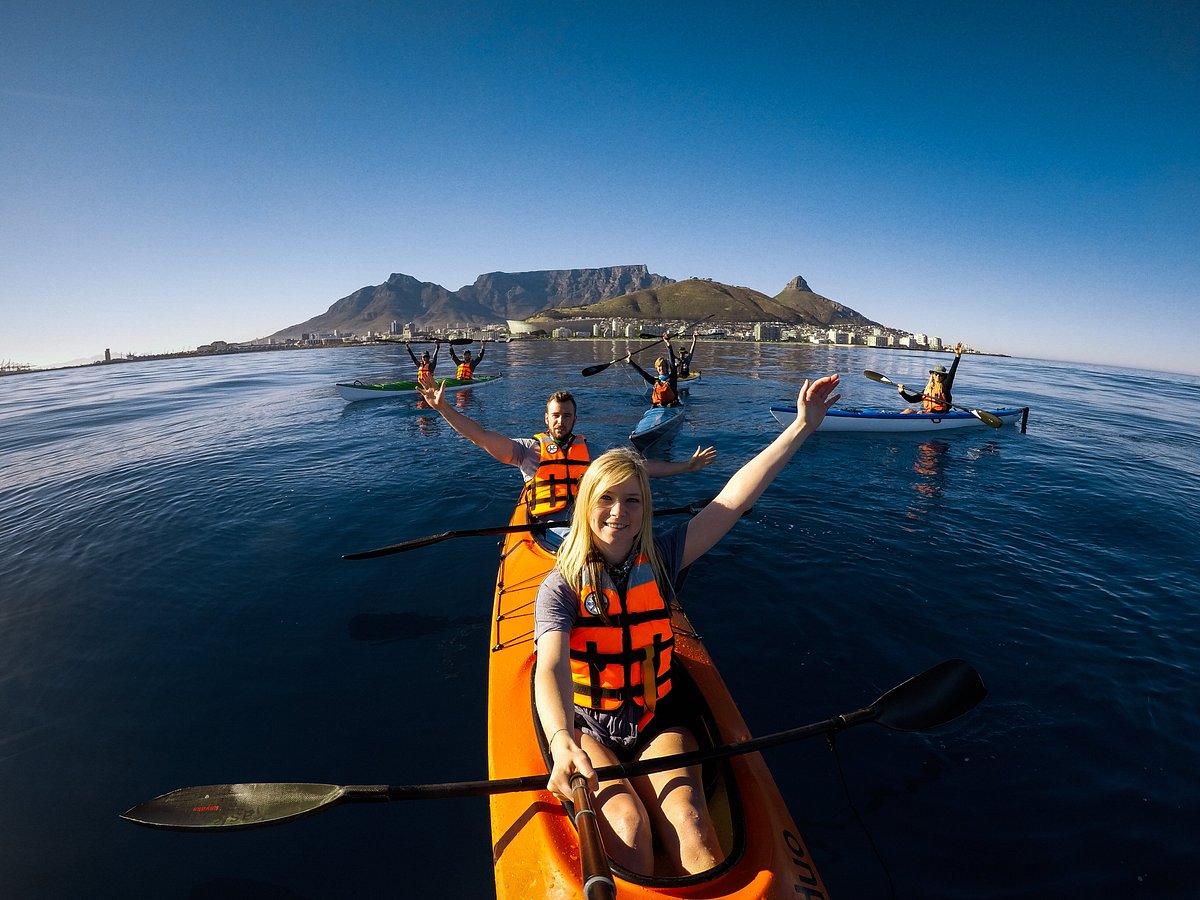
Cape Town’s Atlantic Seaboard has a way of showing off at day’s end: mountains turn mauve, city lights blink to life, and the ocean slips into bronze. Launching a kayak from Three Anchor Bay puts you in the front row for that daily light show. If you’re considering a golden‑hour paddle, this guide covers how it works, who to book with, when the sea is most likely to be calm, what you might spot, and exactly what to wear and bring.
Where it starts and what the sunset route is like
Three Anchor Bay is a small, sheltered cove tucked between Sea Point and Green Point. Kelp beds and a gently sloping slipway create one of the safest launch spots on this coastline. Most sunset tours:
- Meet on the Sea Point Promenade side of the bay (look for the slipway and a trailer of kayaks)
- Begin with a safety briefing and paddling basics on land
- Head out along the Atlantic Seaboard, typically between Mouille Point Lighthouse and Bantry Bay, depending on wind, swell and wildlife activity
- Last around 1.5–2 hours door‑to‑door, returning as the city lights begin to glow
Expect a relaxed pace. Guides set routes to hug the lee of the shoreline when needed, using the kelp beds as natural breakers. The result is a photogenic, beginner‑friendly outing with uninterrupted views of Table Mountain, Lion’s Head and the Twelve Apostles.
Which operators run from Three Anchor Bay
Two specialist outfitters consistently operate guided trips from this launch, with small groups and pro guides:
- Glide Kayak Adventures: Known for sunset and dolphin‑focused routes, premium gear and small-group experiences that emphasise wildlife ethics and storytelling.
- Cape Kayak Adventures: A long‑running operator (on the water here since the 1990s) offering morning, sunset and occasional moonrise tours; guides are APA‑certified and kayaks are SAMSA‑approved.
Both welcome first‑timers, supply all technical equipment and put weather safety first. If your chosen time looks too windy or choppy, expect them to reschedule—this is standard and a good sign you’re in careful hands.
When are the calmest sunsets? Season, wind and swell
Cape Town is famous for summer wind, so timing your paddle around conditions makes a big difference.
- Summer (December–March): Mornings are usually glassier; afternoons can see the south‑easter building. Sunset paddles still run on calmer forecast days, especially after a lighter wind cycle.
- Autumn (April–May): Often the sweetest spot for sunset—warmer water, lighter winds and pastel skies. Many locals consider this prime time.
- Winter (June–August): More swell and passing fronts, but you also get magical, still evenings in the lee of Lion’s Head when a north‑wester dies off at dusk. Operators pick windows carefully.
- Spring (September–November): Variable, with many gentle evenings as the seasons turn.
Pro tip: If your schedule is flexible, ask to be wait‑listed for a “weather window.” Calm seas typically coincide with a modest swell and winds under roughly 15 knots near sunset. Operators watch these metrics daily and will guide you to a better evening if the forecast improves.
Marine life you might see
You’re paddling in the Table Mountain National Park Marine Protected Area, where wildlife encounters are common—and always on the animal’s terms.
Regular sightings include:
- Common dolphins (in fast‑moving pods) and, less frequently, bottlenose
- Cape fur seals cruising the kelp edge
- African penguins on feeding missions near the surface
- Ocean sunfish (Mola mola) basking below
- Cormorants, terns and gulls; in season, dramatic Cape gannet dive‑bombing offshore
Seasonally or occasionally:
- Humpback whales during parts of their migration, most often in cooler months offshore
- Southern right whales in winter/spring, more common on False Bay but sporadically along the Atlantic side
Remember: no chasing or surrounding. Guides maintain distance, cut noise and let encounters unfold naturally.
What’s included and the gear you’ll use
Expect well‑maintained, stable double kayaks (singles sometimes available) with buoyancy aids and lightweight paddles. Most tours also provide:
- A splash jacket or windbreaker
- A small dry bag for essentials
- Safety gear carried by the guide (VHF/phone, tow lines, first‑aid)
You’ll get a shore‑based briefing that covers paddling technique, signals, how to turn and stop, and what to do if you tip (rare in the lee of the shoreline, and easy to resolve with a guide’s help). Launching and landing are wet‑feet affairs; you’ll step into shallow water before hopping in.
Fitness level and who can join
If you can comfortably walk a few city blocks and climb a flight of stairs, you can enjoy this paddle. No prior kayaking experience is required. Guides set an easy, conversational pace and pause for photos.
Good to know:
- Age and weight limits vary—check during booking if you’re travelling with young kids or if you’re a larger paddler.
- Most operators allow kids from about 6–12 years up when paired with an adult, depending on sea state.
- If you’re prone to motion sickness, consider medication and keep your eyes on the horizon. The gentle coastal route and short duration help.
What to wear and bring for golden hour
Sunset looks warm; the Atlantic reminds you it’s not the tropics. Dress for spray, breeze and a cooler return.
Wear:
- Quick‑dry shorts or leggings (avoid heavy cotton)
- A light, long‑sleeve top or base layer
- Windbreaker/rain shell (tour may supply a splash jacket—check ahead)
- Water shoes, reef shoes or secure sandals (barefoot is fine for many; avoid heavy trainers)
- Cap or beanie (season‑dependent) and sunglasses with a retainer
Bring:
- A warm layer for the glide back (microfleece works well)
- Reef‑safe sunscreen, even at day’s end
- A small bottle of water
- Phone in a waterproof pouch with a lanyard (or leave it in the guide’s dry bag)
- Towel and dry change for after (leave in your car or with the operator)
Optional nice‑to‑haves: fingerless paddling gloves, compact camera with float strap, a light snack for post‑paddle.
How to book and what it costs
Sunset slots are popular, especially in summer and on weekends. Book at least a few days ahead, longer over peak holiday periods.
What to expect when booking:
- Pick a date window and let the operator nudge you to the calmest evening
- Pay a deposit; tours are weather‑dependent with flexible reschedule policies
- Arrive 15–20 minutes early to gear up and store valuables
- Typical duration: about 2 hours including briefing and landing
- Indicative pricing: roughly R600–R950 per person for a guided sunset tour, with discounts for SA residents or groups at times
If conditions deteriorate, reputable operators will postpone or refund according to their policy. Treat that as a service, not a snag—the ocean decides.
Getting there, parking and the meeting point
- Pin: Three Anchor Bay slipway on Beach Road, Sea Point. You’ll see kayaks staged near the ramp.
- Parking: Street bays line Beach Road; arrive early for sunset to find a spot. Ride‑hailing drop‑off is easy.
- Public transport: MyCiTi services run along the Sea Point corridor; ask your operator for the closest current stop.
- Facilities: Public loos along the Promenade; bring water as there’s no tap at the slipway itself.
After landing, it’s a 2–10 minute stroll to Sea Point eateries and gelato spots, perfect for a warm‑up nibble.
Responsible kayaking: simple ocean etiquette
- Keep respectful distances from marine life; let animals choose the encounter.
- No feeding or touching wildlife; no litter (pack out everything you pack in).
- Follow your guide’s lead around swimmers, anglers and rock anglers.
- Stay inside the group; Atlantic swells can mask reefs and kelp heads.
These waters are part of a protected marine ecosystem. Your gentle approach keeps it that way.
Make a day of it: Promenade + sundowners
Pair your paddle with an easy Promenade walk between Mouille Point and Sea Point—public art, tidal pools and people‑watching are world‑class here. For a celebratory bite afterwards, Sea Point has an ever‑changing lineup of casual spots for pizza, poke or plant‑forward bowls, while Mouille Point’s lighthouse strip is ideal for a quick seafood roll or coffee with a view. If you’re headed to the Waterfront, you’re a short drive from sunset drinks by the harbour.
Where to stay nearby
If you’d like to roll out of bed and be minutes from the launch, base yourself close to Green Point, Mouille Point or the V&A area. PrimePlaces recommends:
- Walk to the V&A Waterfront from a Charming Apartment — A stylish one‑bed serviced apartment perfectly placed for Sea Point Promenade strolls, the Waterfront’s restaurants, and a quick hop to Three Anchor Bay for your paddle.
Prefer big‑sky views across Table Bay with easy access to the city? Milnerton offers wide beaches and those postcard mountain sunsets, with a simple drive down the R27 to your kayak launch.
- Postcard Views of Table Mountain. Generator for elevator. — A self‑catering two‑bed with sweeping bay views and a calm, residential feel.
Quick FAQ
- Do I need experience? No. Guides brief you thoroughly and set a relaxed pace.
- Will I get wet? Likely from the waist down—dress accordingly. Capsize risk is low on calmer evenings and close to shore.
- Can I bring a camera? Yes—use a waterproof pouch or float strap. Many guides snap photos for you, too.
- What if the wind picks up? Tours may turn early, route‑adjust, or reschedule. Safety comes first.
- Is it kid‑friendly? Often, yes—age minimums vary by operator and conditions. Ask when booking.
The short version
Book with a specialist operator, aim for an autumn or spring window (or a calm summer evening), dress for wind and spray, and bring curiosity. The payoff is a Cape Town moment that combines soft light, salt air and the quiet rhythm of paddles on water—an unforgettable way to end the day on the Atlantic edge of the city.