Sunsets Along the Twelve Apostles: Llandudno to Noordhoek
From a quiet cove at Llandudno to the endless sands of Noordhoek, here’s how to catch the Cape’s most cinematic sunsets—parking, wind calls, picnics and safety included.
Why this stretch is sunset gold
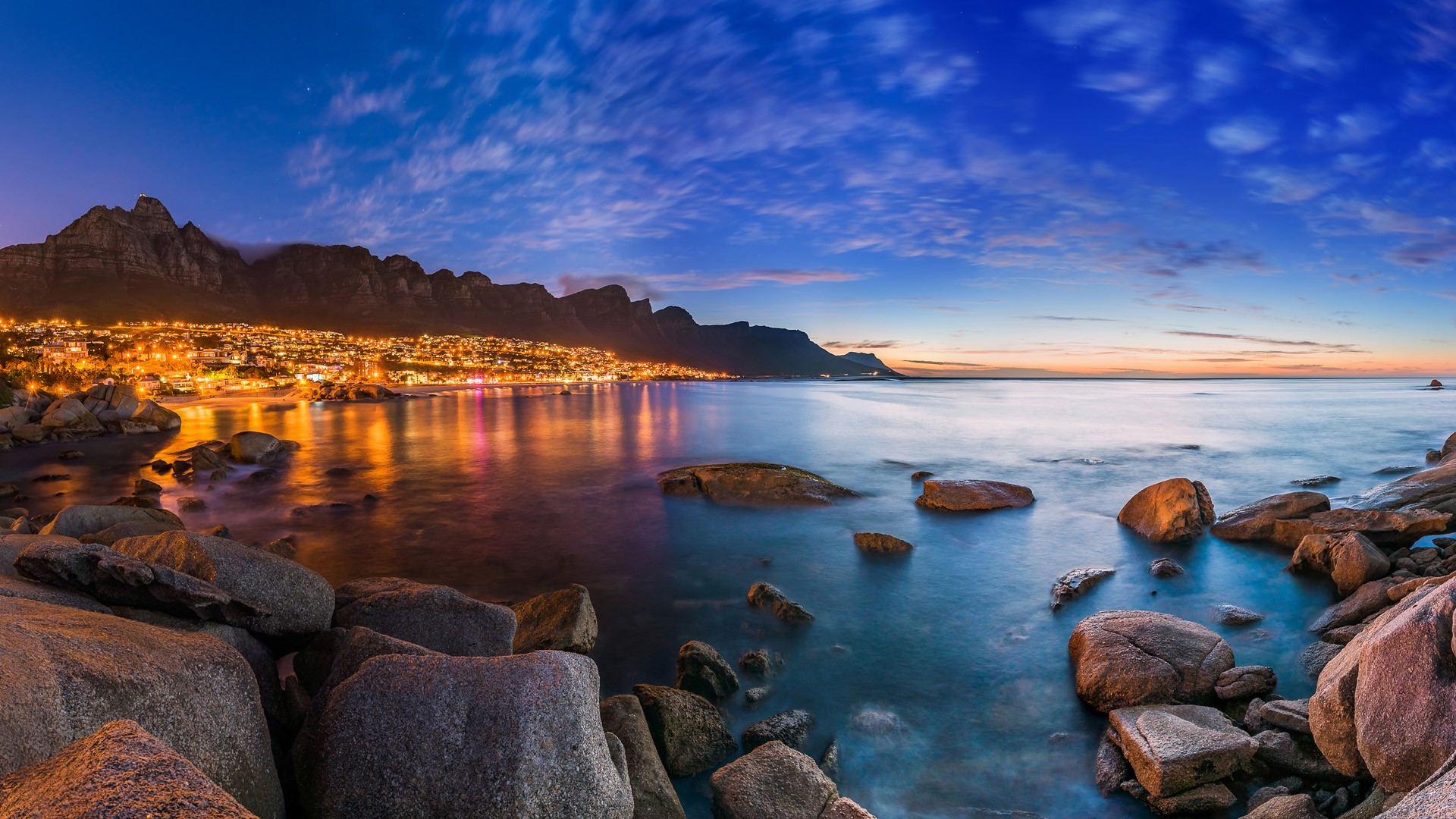
Between Llandudno and Noordhoek the Atlantic meets the sheer granite buttresses of the Twelve Apostles. The shoreline faces the setting sun, the mountains catch the last light, and the beaches are wild enough that every evening feels like a show put on just for you. This guide focuses on practical, on-the-ground advice: where to park, how to read the wind, what to pack, when golden hour actually begins, and how to keep the evening relaxed and safe.
Read the wind like a local
Cape Town’s sunsets look different depending on the wind. A quick check of Windy, Windguru or your weather app an hour before you go can save the day.
- Summer south-easter (SE): Often 15–30 knots. It’s crystal-clear for colour, but expect sandblasting on exposed beaches. Llandudno can still be manageable if you tuck against the boulders on the south side; Noordhoek is the most wind-prone under SE.
- Winter north-wester (NW): Softer light, dramatic clouds and usually gentler beach conditions. Hout Bay and Noordhoek are especially lovely on NW days.
- Calm evenings: Rarer in peak summer, common in spring and autumn. These are the best for an easy picnic anywhere along the route.
- Practical threshold: If your app shows sustained wind above ~22–25 knots from the beach-facing direction, plan for sheltered nooks, a windbreaker and minimal loose items.
Golden hour and timing
- In midsummer (Dec–Feb), sunset is roughly 19:55–20:10. Golden hour begins 60–75 minutes earlier.
- In winter (Jun–Aug), sunset hovers near 17:45–18:00. Golden hour can be a brisk 45–60 minutes.
- Spring and autumn swing between these. Aim to be on the sand or at your viewpoint 45–60 minutes before sunset so you catch the full change in tones—and the post-sunset afterglow that can peak 10–15 minutes later.
Pro tip: Tide matters for photos. Mid-to-low tide at Llandudno or Noordhoek creates reflective sands; high tide corrals you closer to the dunes and boulders.
Llandudno Beach: boulders, burnished seas
This small, pristine cove is a classic for a reason: huge granite boulders, pearly sand and uninterrupted views of the sun melting into the Atlantic.
- Parking: Free but limited. Follow Llandudno Road to the end; there’s a small lot and on-street bays on nearby cul-de-sacs. Arrive 60–90 minutes before sunset on weekends/holidays. Do not block driveways or hydrants.
- Walk-in: 3–5 minutes down steps from the parking area. It’s unlit after dark, so leave while there’s still ambient light or bring a headlamp.
- Wind call: On strong SE days, hug the south-end boulders for shelter. NW days are dreamy.
- Facilities: No shops, no streetlights, no bars. Bring everything you need. Basic seasonal ablutions may be open; don’t bank on it.
- Picnic ideas: Keep it simple—baguette, soft cheese, olives, seasonal fruit. Use reusable cups; glass on beaches is discouraged.
- Safety: Go in a small group, keep valuables to a minimum, and don’t leave anything visible in your car. The water is cold and currents can be strong—avoid swimming near dusk when lifeguards are off duty.
Photographer’s note: In summer the sun sets slightly to the NW, perfect for silhouettes against the boulders. In winter the sun dips more SW, casting longer rakes of side light across the bay.
Sandy Bay dunes: wide horizons and quiet
If you want space and a wilder feel, the dunes behind Sandy Bay offer sweeping, unobstructed sunset views.
- Parking: Use the Sandy Bay car park at the end of Sunset Avenue in Llandudno. Do not leave anything in your car.
- Walk-in: 15–25 minutes over soft sand to the larger dunes. The path is unmarked in places; start early and be prepared for the return in fading light.
- Wind call: Dunes amplify wind. Best on mild or NW evenings.
- Facilities: None. This is a natural, clothing-optional beach beyond the dunes; be respectful.
- Safety: This area is secluded. Go in a group, exit before dark and keep phones and cameras stowed when moving between viewpoint and car.
Hout Bay: harbourside glow and mountain silhouettes
Hout Bay sits in a horseshoe framed by mountains—superb when clouds catch fire at dusk. You don’t need to drive the toll road to enjoy it.
- Easy option (beach near Mariner’s Wharf): Park at the large lot by the harbour end of Hout Bay Beach. You’re on the sand in a minute. There are takeaways and public loos nearby.
- Harbour wall lookouts: Short ambles near the working harbour give reflective water foregrounds with boats and the mountains beyond. Stay mindful of harbour operations.
- Wind call: Often the most forgiving beach around under a NW breeze. Under a strong SE, sand can whip across the bay—pick a harbourside angle or consider a sheltered café window for your sundowner.
- Picnic ideas: Grab fresh fish-and-chips near the harbour, pair with a lemony salad and sparkling water, and eat on the beach before it cools.
- Safety: Normal common sense—small groups, minimal valuables, and lock your car. Stick to busier sections near sunset.
Noordhoek Beach: endless sand and painterly skies
Noordhoek is where the coastline opens into a five-kilometre strand backed by milkwood dunes—few places feel so expansive at golden hour.
- Parking: Use the main Noordhoek Beach parking at the end of Beach Road (via Avondrust Circle). There’s a wooden boardwalk over sensitive dunes. Arrive 45–60 minutes before sunset for the best light on the sand.
- Walk-in: 5–10 minutes along the boardwalk; longer if you’re aiming for the Kakapo shipwreck farther north (allow 30–40 minutes each way).
- Wind call: Under a SE the beach is exposed; pick the lee of the first dune ridge. Under a NW it’s glorious, with brooding clouds and coppery water.
- Facilities: No shops at the sand. Noordhoek Farm Village (5 minutes’ drive) has bakeries, delis and restaurants for pre- or post-sunset supplies.
- Picnic ideas: A thermos of rooibos, roasted veggie wraps, and a slab of dark chocolate for the afterglow. A small picnic blanket doubles as a windbreak.
- Safety: The beach is vast and can feel empty; stay where other walkers are, keep an eye on the tide, and begin your return before full dark. Baboons sometimes roam near the dunes—never feed wildlife.
Photographer’s note: Low tide here creates mirror-like wet sand. Aim for silhouettes of riders or walkers if you’re near the horse-riding zone (keep a respectful distance and follow signage).
A refined backup: terrace sundowners with mountain views
If the wind is up or you’d like a dressed-up golden hour, the terraces along Victoria Road between Camps Bay and Llandudno offer spectacular, mountain-framed sunsets with simple parking. Book ahead for any sit-down venue and plan for a safe ride home.
What to pack for a flawless sunset
- Layers: Even in summer, the temperature can drop 6–10°C after the sun dips.
- Windbreaker and beanie: Essential on SE days.
- Headlamp or phone torch: For steps and boardwalks.
- Picnic kit: Reusable cups, small cutting board, wet wipes, rubbish bag.
- Footwear: Flip-flops for sand, but pack light sneakers if you’re walking dunes.
- Camera basics: Microfibre cloth (salt spray), spare battery, and a small tripod if you shoot afterglow.
Safety pointers you’ll be glad you knew
- Go in small groups and stay where other sunset-seekers are.
- Leave nothing in your car and keep phones/cameras stowed while walking to and from the beach.
- Start back while there’s still light; paths and dunes are unlit.
- Respect ocean conditions—cold water, rips, and limited visibility near dusk. Swim earlier in the day if you plan to swim at all.
- Emergencies: From a mobile, dial 112 for emergency services; from a landline in Cape Town, 107 connects you to the control centre.
- Beach bylaws: Public alcohol consumption and glass are prohibited; fires are not allowed on these beaches.
Quick parking and wind cheat sheet
- Llandudno: Small lot + residential bays; arrive early. Best on calm or moderate days; shelter by south boulders under SE.
- Sandy Bay dunes: Sunset Avenue car park; 15–25 min sandy walk; best on mild or NW winds; leave early.
- Hout Bay (harbour end): Large lot near Mariner’s Wharf; forgiving under NW; tuck by harbour wall if SE is strong.
- Noordhoek: End of Beach Road with boardwalk; exposed under SE, sublime under NW; bring layers.
Picnic sourcing along the route
- Stock up before Llandudno: Hout Bay’s supermarkets and bakeries are 10 minutes away and open late.
- After Noordhoek: Noordhoek Farm Village has excellent delis for a warm post-sunset bite.
- Hydration: The sea air is drying—bring more water than you think you need.
Little micro-itineraries
- Easy and classic: Park at Llandudno, short beach stroll, picnic by the south boulders, leave as the first streetlights glow in neighbouring suburbs.
- Family-friendly: Hout Bay beach near the harbour—easy parking, loos, and takeaways; kids can run while you photograph the mountains.
- Big-sky walkers: Noordhoek boardwalk to wet-sand reflections, then dinner at the Village.
Where to stay for easy sunset access
Base yourself close to the Atlantic Seaboard and you can pivot with the wind each evening. PrimePlaces’ Walk to the V&A Waterfront from a Charming Apartment. makes it simple to reach Llandudno, Hout Bay and Noordhoek via the coastal roads while giving you a central, walkable daytime location.
Final word: leave no trace
These beaches are beloved because they’re still wild. Pack out everything you bring, stick to boardwalks over sensitive dunes, and share the sunset by giving others space. Do that, and the Twelve Apostles will reward you with colour you’ll remember for years.