Table Mountain hikes compared: Platteklip vs India Venster vs Skeleton Gorge
Not sure which Table Mountain route to hike? Compare Platteklip, India Venster and Skeleton Gorge for difficulty, exposure, start points, time and seasons.
How to choose your Table Mountain route
Table Mountain has many ways to the top, but three classic ascents dominate most short-stay itineraries: Platteklip Gorge, India Venster and Skeleton Gorge. Each offers a distinct personality—from straightforward stair-master to airy scrambling to a cool, forested climb from Kirstenbosch. This guide compares difficulty, exposure, start points, time needed, seasonal considerations and how to use the cableway for an easy descent.
At-a-glance comparison
- Platteklip Gorge
- Difficulty: Moderate but relentless; no scrambling
- Exposure to heights: Low
- Time to summit: 1.5–3 hours for most; longer with frequent rests
- Start point: Tafelberg Road, above the City Bowl (near the Lower Cable Station area)
- Best for: First-timers, families with older kids, anyone who prefers a clear, direct path
- India Venster
- Difficulty: Challenging with hands-on scrambling and route-finding
- Exposure to heights: High in places; chains/handholds on short sections
- Time to summit: 2.5–3.5 hours
- Start point: Lower Cable Station area, then right onto the contour path
- Best for: Fit, sure-footed hikers comfortable with exposure and basic scrambling
- Skeleton Gorge
- Difficulty: Moderate to challenging due to length and wet/slippery sections
- Exposure to heights: Low to moderate; ladders and boulders near the top
- Time to summit plateau: 3–5 hours, plus 30–60 minutes across the top to the Upper Cable Station
- Start point: Kirstenbosch National Botanical Garden (eastern side of the mountain)
- Best for: Shade-seekers, nature lovers, and those starting from the Southern Suburbs
Platteklip Gorge: the classic, direct ascent
Platteklip is the most travelled route to the summit because it’s simple to follow and requires no technical moves. From Tafelberg Road, the path climbs the prominent gash in the mountain’s front face via rocky, man-made steps.
What to expect
- Terrain and gradient: Steady, unrelenting ascent with 600–800 m of vertical gain; no scrambling.
- Navigation: Clear signage and a well-worn trail.
- Conditions: Very exposed to sun and wind; minimal shade. Carry at least 1.5–2 litres of water per person—there are no reliable refill points.
Who it suits
- First-time visitors who want the fastest, most straightforward hike to the top.
- Early-bird hikers in summer who can start at dawn to beat heat and crowds.
When to avoid
- Hot, windless summer afternoons (risk of heat stress).
- During strong southeaster winds that can make the gorge unpleasant.
India Venster: thrilling traverses and scrambling
India Venster is an adventurous line that leaves from the Lower Cable Station, traverses across ledges and climbs through short, steep steps with chains and handholds. Views unfold over the City Bowl, Lion’s Head and the Atlantic as you progress.
What to expect
- Terrain and gradient: Mixed path with sections requiring hands-on moves; some exposure to heights.
- Navigation: Waymarks exist but route-finding can be confusing for first-timers—many hikers opt for a guide.
- Conditions: Can feel airy and intimidating in wind or wet weather.
Who it suits
- Fit, sure-footed hikers who are comfortable with heights and basic scrambling.
- Photographers chasing panoramic city and ocean views throughout the ascent.
When to avoid
- If you dislike exposure or are hiking with young kids.
- In rain, mist or strong wind—scrambling becomes slippery and hazardous.
Pro tip
- Most visitors should not descend India Venster. If the cableway closes, rather walk down Platteklip, which is safer for descent.
Skeleton Gorge: cool forest, ladders and reservoirs
Starting inside Kirstenbosch, Skeleton Gorge climbs shaded indigenous forest before emerging onto the Back Table near the Hely-Hutchinson Reservoir. It’s a completely different side of Table Mountain—lush, ferny and (in winter) full of running water.
What to expect
- Terrain and gradient: Forest trail, roots and boulders, then ladders and a short rocky gully near the top; longer total distance to reach the Upper Cable Station.
- Navigation: Well-signed within Kirstenbosch; continue across the summit plateau to Maclear’s Beacon area and on to the Upper Cable Station.
- Conditions: Shadier and cooler than city-side routes; can be wet and slippery after rain, and streams may run strongly in winter.
Who it suits
- Hikers who prefer a gentler initial gradient and botanical interest over constant views on the way up.
- Southern Suburbs travellers starting near Newlands/Constantia.
When to avoid
- After heavy rain if you’re not confident on wet ladders and slick rock.
Using the Table Mountain cableway for your descent
Combining a hike up with a cableway ride down saves knees and time.
- Ticketing: You can buy a one-way down ticket at the Top Station (card-friendly) or online when operations are confirmed. Prices and schedules vary seasonally.
- Operating status: The cableway closes for high winds and low visibility; check the official channels on the morning of your hike. Last-car times change by season—know the day’s schedule before you start.
- Queues: Peak-season lines can be long. Starting early often means summiting and descending before midday queues build.
- Backup plan: Always prepare to walk down Platteklip if the cableway shuts unexpectedly. Pack headlamps in winter.
Seasonal and weather tips
- Summer (Nov–Mar): Hot and dry. Start at sunrise, especially for Platteklip and India Venster. The southeaster can make exposed sections feel precarious. Carry extra water and sun protection.
- Autumn (Apr–May): Calmer weather and clearer days—excellent for any route.
- Winter (Jun–Aug): Cooler temps and frequent fronts. Skeleton Gorge is beautiful but wet; pack a rain shell and grippy footwear. Short daylight hours demand early starts.
- Spring (Sep–Oct): Variable but often pleasant. Flowering fynbos adds colour on summit traverses.
Cloud and visibility
- The “tablecloth” cloud can sweep in rapidly, reducing visibility and making rock slick. If cloud builds, consider turning back or switching to the cableway sooner.
Safety and planning essentials
- Water and food: No reliable refill points—carry enough. Snacks for energy are essential.
- Footwear: Grippy hiking shoes are strongly recommended, especially for India Venster and Skeleton Gorge’s ladders.
- Navigation: Carry a digital map with offline capability and a charged phone; a small headlamp weighs little and adds safety.
- Don’t hike alone: Join a partner or reputable guide, particularly for India Venster.
- Descent choices: If not using the cableway, descend Platteklip or Nursery Ravine (to Kirstenbosch). Avoid descending India Venster unless very experienced and conditions are perfect.
Suggested itineraries
- Classic first summit: Up Platteklip (2–3 hours), coffee at the Top Station, descend by cableway.
- Adventure day: Up India Venster (2.5–3.5 hours), explore the summit rim paths, down by cableway.
- Forest-to-fynbos: Up Skeleton Gorge from Kirstenbosch (3–5 hours to the plateau), traverse to the cableway (30–60 minutes), ride down and taxi back to Kirstenbosch.
Where to stay for easy access and epic views
Base yourself within a short drive of trailheads and the cableway while enjoying postcard panoramas.
- For uninterrupted mountain vistas on the Atlantic side, consider Postcard Views of Table Mountain. Generator for elevator. — a self-catering, two-bedroom serviced apartment that frames the massif from your windows.
- If you’d like to stroll to restaurants and have quick transport links to Tafelberg Road and Kirstenbosch, Walk to the V&A Waterfront from a Charming Apartment. puts you close to the city’s heart and the Lower Cable Station.
- Travelling as a pair of couples or a family? Amazing Ocean Views from Every Room. offers a calm base with easy access to both city-side and Kirstenbosch trail starts.
Whichever route you choose—Platteklip’s directness, India Venster’s airy adventure or Skeleton Gorge’s green embrace—you’ll earn world-class views on top. Plan for the weather, start early, and let the cableway whisk you down to celebrate your Cape Town summit in style.
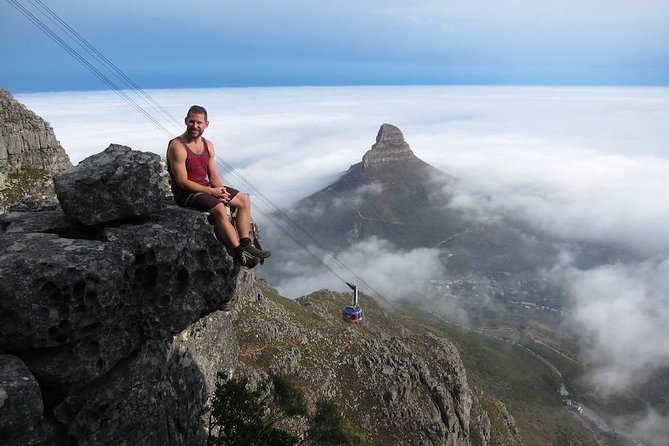
A cable car descends past lush green slopes of Table Mountain with a prominent peak, overlooking the Atlantic Ocean near Cape Town. (image unavailable)
A rugged hiking trail winds through lush green vegetation with Table Mountain's rocky cliffs towering in the background under a clear blue sky. (image unavailable)