Township Jazz Night: How to Experience ‘Jazz in the Native Yards’ Like a Local
Cape Town’s most intimate jazz happens in backyards and community halls in Langa and Gugulethu. Here’s how to book, get there, fit in and love every note.
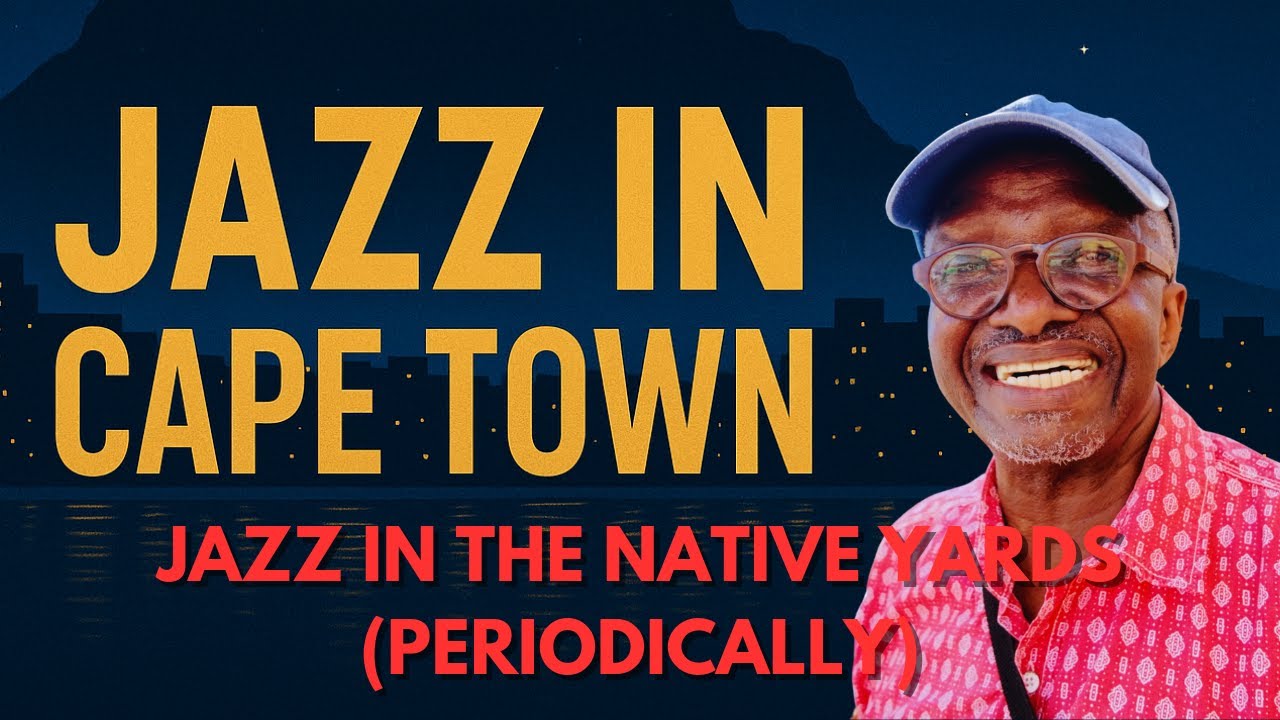
Cape Town’s most soulful Sunday often starts with the clink of enamel mugs, an upright bass being tuned, and neighbours pulling up plastic chairs in a sun-warmed yard. That’s Jazz in the Native Yards: an intimate concert series that brings South Africa’s finest improvisers to township spaces where the music has always belonged. If you want a night that’s equal parts world‑class performance and real community hospitality, here’s how to experience it like a local—from booking and transport to etiquette, timing and why the lineup is so special.
What exactly is “Jazz in the Native Yards”?
Jazz in the Native Yards (often shortened to JiNY) is a roaming, grassroots concert platform that spotlights South African jazz in the townships of Langa and Gugulethu. Instead of black‑box theatres, you get living rooms, backyards and community arts centres. Instead of velvet ropes, you’re greeted by the host’s auntie dishing up plates and kids dancing by the gate.
Expect a welcoming, come‑as‑you‑are atmosphere that’s serious about the music. Shows are typically small (dozens, not hundreds), with artists performing close enough for you to hear every brush on the snare. Many events take place on Sunday afternoons, though pop‑up evening sessions and special holiday gigs do happen.
Where it happens: Langa and Gugulethu
- Langa: Cape Town’s oldest township is known for its creative scene and community venues. Some JiNY shows land at Guga S’Thebe, the local arts and culture hub, or in private yards nearby. In a yard, expect low stages or simple risers, folding chairs, fairy lights and a family‑party feel.
- Gugulethu: Larger and lively, Gugulethu hosts backyard sessions that feel like a neighbourhood block party with a jazz heart. Sunshine shows often roll into golden‑hour second sets.
Every venue is different by design. The through‑lines are hospitality, proximity to the artists, and an audience that’s there to listen—phones tucked away, applause sincere and loud.
How to book (without missing a seat)
Because the series is intentionally intimate, seats can go quickly. Here’s a local’s approach to securing your spot:
1) Track upcoming shows
- Follow Jazz in the Native Yards on social media (Facebook and Instagram are the most active). Listings usually drop a week or two out, with artist bios, date, time and ticket instructions.
- Look for special editions at community centres or festivals that may be announced further in advance.
2) Buy tickets early
- Tickets are typically sold online via common local ticketing platforms or via details provided in the event post. Occasionally, limited door sales are available—but they’re not guaranteed.
- Typical prices: expect something in the region of R150–R300 per person for standard shows, more for special collaborations. Prices vary by artist and venue; always check the specific listing.
3) Seating and timing
- Seating is usually unreserved and first‑come, first‑served. Aim to arrive at least 30–45 minutes before downbeat to claim a good spot and settle in.
- Sets often start on time; township concerts are relaxed in vibe but punctual about performance.
Pro tip: If the event mentions food stalls, arrive hungry and bring small change. Buying a plate is part of the experience and supports local vendors.
What the venue and vibe are like
- Space and setup: Think intimate rather than polished. A yard with a small stage, a marquee if rain threatens, simple PA, and chairs set within arm’s length of the band.
- Food and drink: At many shows you’ll find local snacks or meals—think shisanyama (braai meats), vetkoek, chakalaka or boerewors rolls. Cooldrinks and water are common; some events allow or sell alcohol, others are dry. Always check the specific listing for the policy.
- Facilities: Expect basic bathroom facilities. Community centres will have more amenities; private home sessions are simpler but full of heart.
- Crowd: A brilliant mix—neighbours, musicians on their night off, students, global travellers, Cape jazz diehards. Everyone’s there to listen.
Getting there and back safely
Most visitors use ride‑hailing or a prebooked transfer. Here’s how locals do it smartly:
- Ride‑hailing (Uber/Bolt): The simplest door‑to‑door option. From the V&A Waterfront or the CBD to Langa or Gugulethu is typically 15–25 minutes off‑peak. Fares fluctuate with demand; budget roughly R120–R250 each way for two people, more late at night or during big events.
- Prebooked transfers: If you’re a group or want round‑trip certainty, arrange a transfer with a reputable operator in advance. Many travellers use township‑savvy drivers or small tour companies; Garth at Tilling Tours is often recommended within the local scene for concert runs. Confirm pickup and return times when you book.
- Self‑drive: Not essential. If you do, arrive well before the show while it’s light, park where the host or marshals direct you, and depart with the main crowd.
Local safety common sense applies: stick to the venue and immediate crowd, don’t wander off solo to explore, keep valuables minimal and tucked away, and follow host guidance—this is a neighbourhood gig, and the organisers are great at looking after their audience.
Etiquette: how to fit right in
- Greet the host: A warm hello and a quick introduction go a long way. You’re attending a community gathering, not an anonymous arena show.
- Ask before photos: Snap the band from your seat, but request permission before photographing audience members, kids or the private home.
- Be present: Keep conversation to a whisper during solos. Save calls and long messages for the break.
- Support the circle: Buy food from the vendors, tip the musicians (buying a CD, vinyl or merch is even better), and thank the crew on the way out.
- Dress for comfort: Layers for cool evenings, flat shoes for yard surfaces, and a light jacket in case the Cape Doctor (south‑easterly wind) shows up.
Why the lineup is special
Cape Town’s “Cape jazz” lineage blends marabi piano grooves, goema rhythms from Cape carnival traditions, Xhosa melodic phrasing and hard‑swinging township horn sections. JiNY curates that heritage alongside cutting‑edge contemporary composers.
- Past highlights have included celebrated artists such as saxophone titan McCoy Mrubata, boundary‑pushing bassist‑composer Benjamin Jephta and singer‑songwriter Tankiso Mamabolo—proof that household names and rising stars share these small stages.
- Expect originals, standards reimagined, and spontaneous collaborations. It’s common to see visiting players sitting in for a tune or two when they’re in town.
- Audiences are close enough to feel the music breathe. You’ll catch the drummer calling cues under their breath and watch ideas pass between musicians in real time—jazz as conversation, not museum piece.
A sample Sunday timeline
- 14:45–15:15: Arrive, greet the host, grab a plate from the food stall, find your seats.
- 16:00: First set (45–60 minutes). Phones away; ears open.
- 17:00: Break. Meet the band at the merch table, refresh your drink, chat with fellow listeners.
- 17:30: Second set. Energy rises as golden hour hits. Expect an encore if the room is warm and willing.
- 18:30–19:00: Depart with the main crowd. If you arranged a transfer, your driver will likely wait nearby or return at the set time.
Timings vary by event; always check the listing. Some shows start earlier in winter daylight or run later for special occasions.
What to bring (and what to leave)
- Bring: layered clothing, small notes for vendors, a reusable water bottle, and curiosity.
- Nice‑to‑have: a portable phone charger and a light scarf or beanie if the breeze picks up.
- Leave behind: flashy jewellery, bulky cameras unless you’ve cleared it with the host, and any expectation of “VIP sections.” Everyone’s close to the music here.
Budgeting your night out
- Tickets: commonly R150–R300, higher for special collaborations.
- Transport: R120–R250 each way via ride‑hailing from central Cape Town for two; share among friends to reduce costs.
- Food and drink: R40–R120 for snacks or a plate, depending on what’s on offer.
- Merch: CDs or vinyl—if available—are a memorable way to support the artists.
Make it a smooth base-to-gig evening
Staying within easy striking distance makes the outing effortless.
- If you prefer ocean‑view calm with fast access to the N2 and township venues, base yourself in Milnerton. Two excellent self‑catering options are Large Apartment Stunning Ocean Views. and Postcard Views of Table Mountain. Generator for elevator.. Both offer quick ride‑hailing access towards Langa and Gugulethu and tranquil sunsets to come home to.
- If you want to walk the city by day and rideshare to the show by late afternoon, choose our central Walk to the V&A Waterfront from a Charming Apartment. A serviced apartment base near the Waterfront keeps daytime museums, markets and boat trips easy before your jazz night out.
Responsible listening and cultural respect
Township concerts are about dignity, creativity and economic inclusion. Small choices make a big difference:
- Pay fairly and on time for your tickets; avoid asking for guest‑list spots.
- Buy from local vendors and tip service kindly.
- Ask before posting close‑ups of people on social media; some prefer to keep family spaces private.
- If you loved a set, tell the organiser. Word‑of‑mouth keeps these concerts flourishing.
FAQs
- Is it suitable for kids? Many Sunday yard shows are family‑friendly and take place in daylight. Quiet listening is expected during sets; check the specific listing if you’re unsure.
- Are there drinks? Policies differ by venue. Some shows sell beverages; others may be alcohol‑free. Confirm on the event post.
- Can I buy tickets at the door? Sometimes, but not always. Online pre‑purchase is the safest bet for these small‑capacity gigs.
- What if it rains? Shows may move under cover, shift to a community centre, or reschedule. Watch the organiser’s updates on the day.
- How accessible are the venues? Yards may have uneven ground and a step or two; community centres are typically flatter. Message the organiser in advance if you have accessibility needs.
The takeaway
Jazz in the Native Yards is less of a “night out” and more of a shared neighbourhood ritual where international‑calibre musicians meet backyard hospitality. Book early, arrive hungry and open‑eared, and let the horn lines guide you deep into the Cape Town Sunday you won’t soon forget.