The Two Oceans Marathon: Your Complete Guide
Everything you need to know about the Two Oceans Marathon, the world's most beautiful ultramarathon.
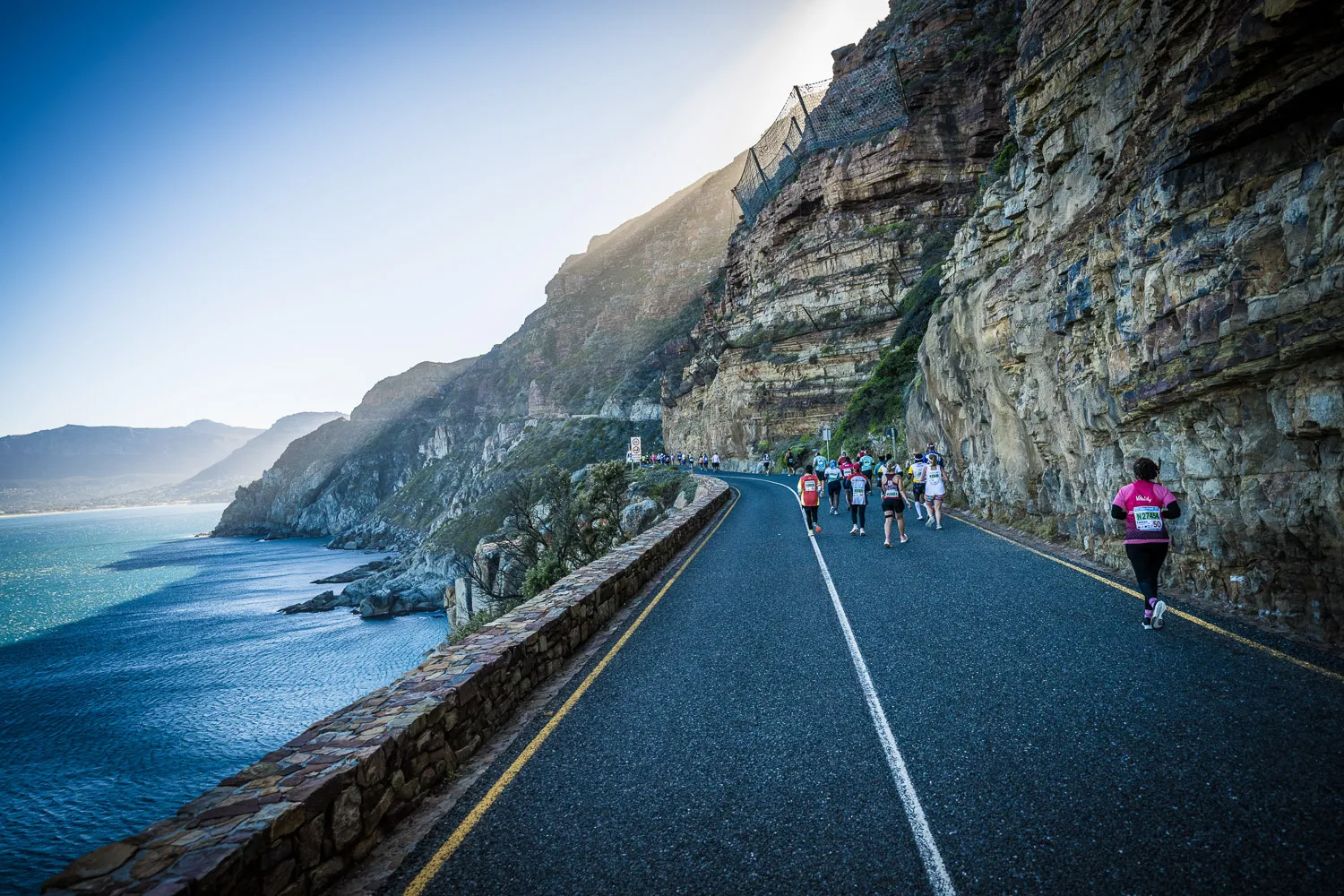
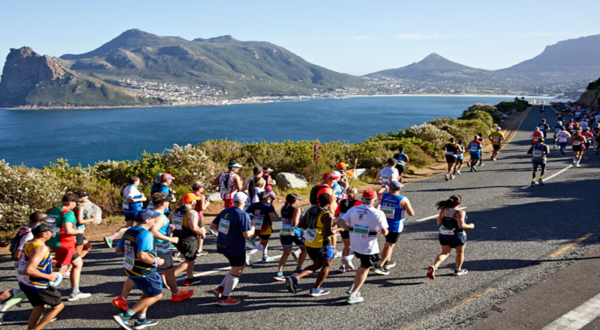
The Two Oceans Marathon is widely regarded as the most beautiful ultramarathon in the world, and it is one of Cape Town's most prestigious annual sporting events. Drawing thousands of runners from across the globe, this iconic race takes participants on an unforgettable journey through some of the Western Cape's most spectacular scenery.
Overview
The Two Oceans Ultra Marathon covers a distance of 56 kilometres, taking runners through the heart of the Cape Peninsula. The route passes along both the Atlantic and Indian Ocean coastlines, hence the name "Two Oceans." There is also a popular half marathon (21.1km) for those who prefer a shorter distance. Both races attract elite athletes as well as recreational runners, making it an inclusive and celebratory event.
The Route
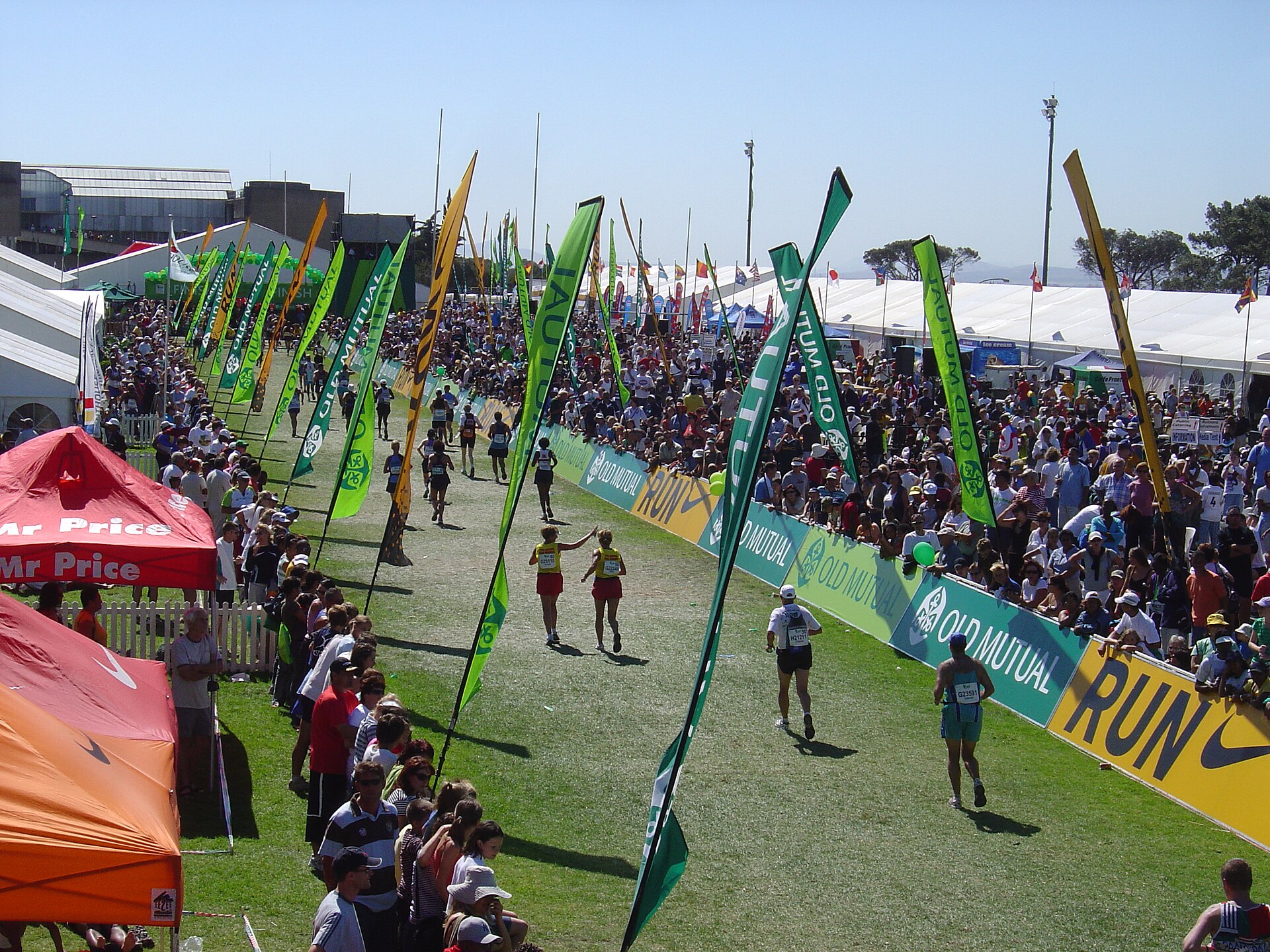
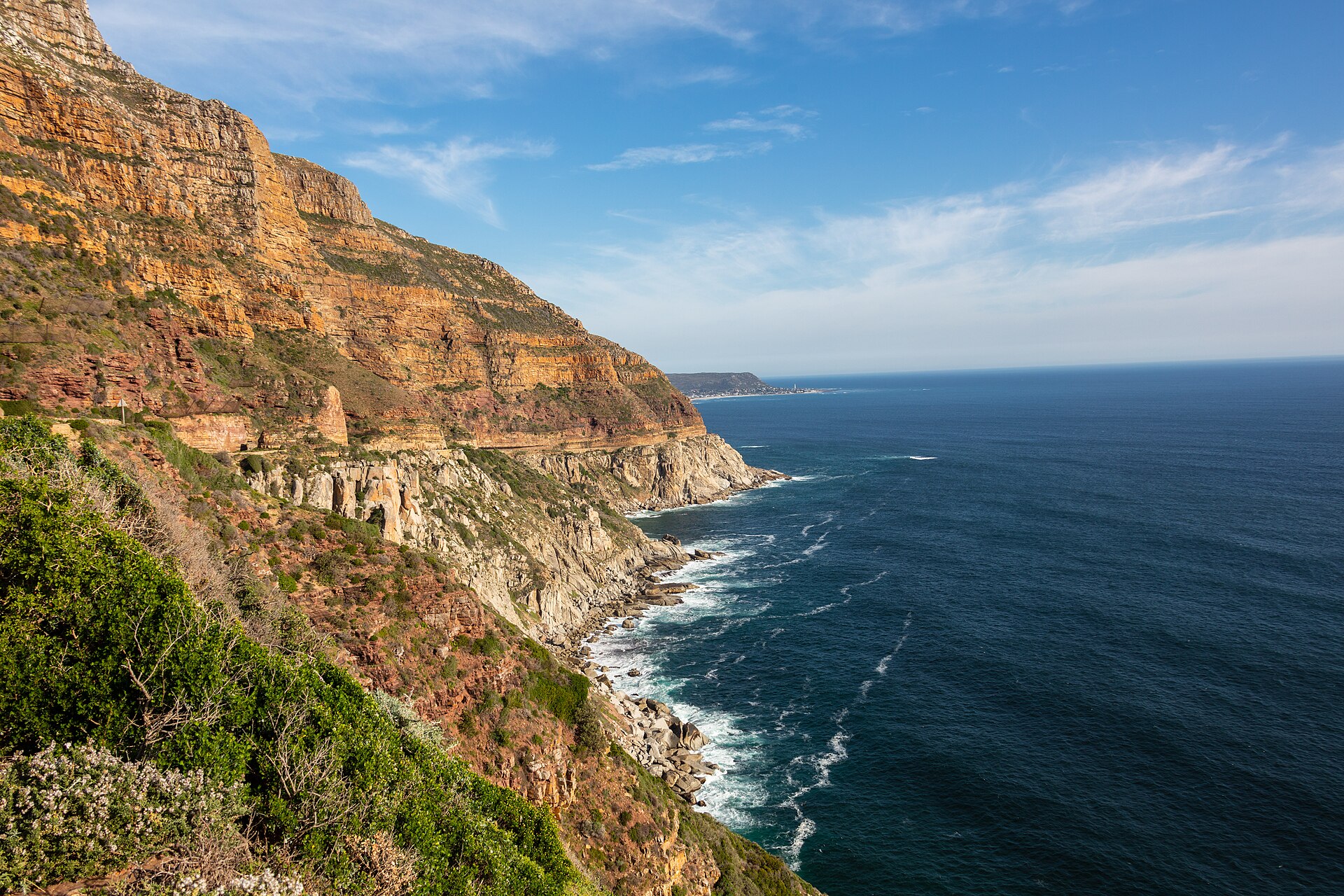
The race starts and finishes at the University of Cape Town in Newlands. From there, runners head south through the southern suburbs before reaching the stunning False Bay coastline. The route then climbs over Chapman's Peak, one of the most dramatic coastal drives in the world, before descending to Hout Bay and continuing along the Atlantic seaboard. The final stretch takes runners through Constantia and back to the university. Key highlights include the views from Chapman's Peak, the descent into Hout Bay, and the lush forests of Constantia.
When It Takes Place
The Two Oceans Marathon is held annually on Easter Saturday. Race day typically falls in March or April, depending on the Easter calendar. The ultra marathon starts early in the morning, usually around 6:30 AM, while the half marathon begins slightly later. The mild autumn weather in Cape Town makes it an ideal time for long-distance running.
Training Tips
- Build your base: Aim for at least 16 to 20 weeks of structured training before race day. Long runs of 30 to 40 kilometres should be part of your preparation.
- Hill training is essential: The route features significant elevation changes, particularly the climbs over Chapman's Peak and Constantia Nek. Include hill repeats in your weekly training.
- Practise nutrition: Test your race-day nutrition strategy during training runs to avoid stomach issues on the day.
- Taper wisely: Reduce your training volume in the final two to three weeks before the race to arrive at the start line fresh and rested.
Where to Stay
For race participants, staying in Green Point is an excellent choice. PrimePlaces offers a selection of premium apartments in Green Point that are conveniently located near the race start. Green Point provides easy access to the race routes, the V&A Waterfront for pre-race carb-loading dinners, and the Sea Point Promenade for shakeout runs. The neighbourhood is safe, walkable, and well-connected to public transport.
Spectator Guide
Spectators play a vital role in the Two Oceans Marathon, and there are several excellent vantage points along the route. Popular spectating spots include the start at UCT, the climb up Chapman's Peak, and the finish area. Many supporters set up along the roadside with music, snacks, and encouraging signs. The atmosphere is electric, and the crowd support is one of the things that makes this race so special.
Registration
Registration for the Two Oceans Marathon typically opens in November of the preceding year and fills up quickly. Entries are allocated on a first-come, first-served basis, and international runners must register through designated travel partners. It is advisable to register as early as possible to secure your place. Visit the official Two Oceans Marathon website for the latest entry details, fees, and qualifying requirements.