Understanding Townships: How to Visit Responsibly and Respectfully
Cape Town’s townships hold complex histories and vibrant present-day culture. Here’s how to visit with context, respect and real community benefit.
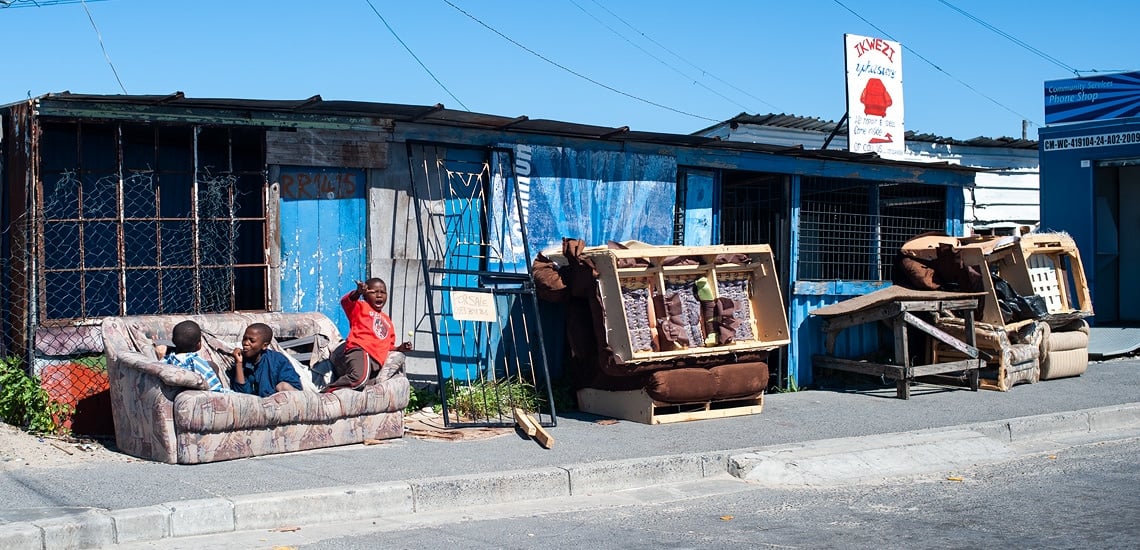
Cape Town’s beauty is instantly obvious: ocean, mountain, vineyards and a magnetic creative energy. Less obvious—until you look for it—are the stories written into the neighbourhoods beyond the tourist grid. “Townships” are part of that story: places created by segregation laws, reshaped by forced removals, and today home to dynamic communities, entrepreneurs, artists and everyday family life. Visiting can be meaningful—but only if you do it in a way that centres dignity, consent and local benefit.
This guide offers plain-language context on why townships exist, what respectful engagement looks like now, and the practical steps to plan a responsible visit you’ll feel good about long after you leave.
Why townships exist: a short, honest history
Townships didn’t appear by accident. They were the engineered result of laws that divided South Africans by race and controlled where people could live and work.
- Early 20th century: Segregation policies began pushing Black African, Coloured and Indian communities to the edges of cities.
- 1950s: The Population Registration Act classified people by race; the Group Areas Act fixed who could live where. Mixed neighbourhoods were razed; families were relocated, often far from jobs and schools.
- 1960s–1980s: Mass removals created large, under-serviced settlements on the Cape Flats and beyond. Over two decades, more than three million people across South Africa were forced to move to racially designated areas called “townships.”
- 1990s to today: Democracy brought the end of those laws and extraordinary political change. But centuries of dispossession don’t reverse overnight. Many townships still face uneven access to housing, transport, healthcare and jobs—alongside strong networks, cultural pride and enterprise.
Holding both realities—the hardship and the vibrancy—is essential. A responsible visit starts with that balance.
Where they are and what they’re like today
In Cape Town you’ll hear about several townships. Each has its own character, leaders, languages and rhythms.
- Langa: Established in the 1920s, often called Cape Town’s oldest township. Known for its cultural centres, craft collectives and walkable historic zones.
- Gugulethu: A community with powerful memorials and an impressive food scene, from weekend braais to contemporary cafes run by local owners.
- Khayelitsha: One of the largest townships in South Africa, with a fast-growing small-business scene, lively markets and innovative social enterprises.
- Imizamo Yethu (Hout Bay): A hillside community with sweeping bay views, active craft markets and resident-guided visits.
Important: no township is a monolith. You’ll find churches, mosques and traditional healers; street barbers and tech start-ups; new brick homes and older shacks; music studios and soccer fields. That diversity is precisely why a resident-led guide is invaluable.
Should you visit? Yes—if you do it right
Township visits can challenge stereotypes, redirect travel spend to local businesses and create human-to-human connection. They can also, if done poorly, feel extractive. Ask yourself:
- Is my curiosity matched by respect and humility?
- Will my visit benefit residents financially and reputationally?
- Am I ready to listen more than I speak, and to ask before I act (especially with photos)?
If your answers are yes, you’re on the right track.
How to choose a responsible, community‑led tour
Use this checklist to vet operators and experiences:
- Resident leadership: Tours are designed and led by people who live (or previously lived) in the community.
- Fair pay and spend: Clear statements on how guide fees are paid and which stops support local businesses (markets, eateries, studios, co‑ops).
- Consent-first photography: Operators set expectations about asking for permission before any photo, and may limit photography in sensitive spaces.
- Small groups: Meaningful conversations beat busloads. Look for walking, cycling or small-vehicle tours capped at a modest size.
- Safety and transparency: Licensed transport, public meeting points, and realistic timing. No pressure to buy anything.
- Community projects, not performances: Visits prioritise dialogue with entrepreneurs, artisans and community leaders over staged “shows.”
Tip: Read recent reviews looking for words like “respectful,” “resident-run,” “context,” and “consent,” not just “authentic” or “edgy.”
Respect in practice: etiquette, photography and conversation
Going with a great guide is step one. Step two is how you show up.
Do:
- Greet first. A simple hello changes the energy of any interaction. Learn a few local words (see the language section below).
- Ask before photos—always. People, homes, kids, and even street murals deserve consent. If someone says no, thank them and move on.
- Support local. Eat where your guide suggests, buy from artists you meet, and tip service providers directly.
- Be curious about everyday life. School routines, commuting, cooking and family traditions are rich stories—don’t just focus on hardship.
- Dress modestly and comfortably. Think practical, respectful and low‑key rather than flashy.
Don’t:
- Point your camera through windows or doorways, or photograph children without a guardian’s permission.
- Treat anyone as a prop for your social media. If you share images with consent, add names or business tags so your post supports the person.
- Hand out cash, sweets or gifts to children. If moved to help, ask your guide about reputable organisations.
- Wander off. Follow your guide’s lead on where it’s appropriate to walk or stop.
Safety and logistics you should actually know
Cape Town is a big city with big‑city considerations. A few practical notes make visits smoother and safer:
- Go with a registered, reputable operator. Many tours include pickup from the city centre or a well-known meeting point.
- Daytime is best. Choose morning or early afternoon slots and avoid isolated areas at night.
- Transport: If you’re self‑driving to a meeting point, stick to main routes and daylight; don’t detour through unfamiliar areas. Keep doors locked at traffic lights and don’t display valuables.
- What to carry: Minimal jewellery, a zipped bag worn cross‑body, and just enough cash for small purchases and tips. Keep passports and extra cards at your accommodation.
- Insurance: Standard travel insurance is prudent. Confirm your policy covers guided cultural tours.
- Weather: Summer sun is intense; bring water, sunscreen and a hat. In winter, layered clothing and a light rain shell help.
Your guide’s instructions outrank generic tips—follow them.
What to eat and buy—and how your rand helps
Some of Cape Town’s most memorable meals and crafts are township-born:
- Food to try (with your guide’s advice):
- Braai plates (grilled meat with pap and chakalaka)
- Vetkoek (fried dough, often filled with mince)
- Kota or gatsby-style sandwiches
- Steam bread and home-style stews
- Coffee from social‑enterprise roasteries
- Where to shop: Look for co‑operatives and studios where multiple makers share tools and profits. Ask artists about their process and preferred payment method.
- Tipping norms: 10–15% at sit‑down eateries; for informal tastings or street food, rounding up is appreciated. Tip your guide separately.
Your spending—meals, crafts, guided time—keeps skills in the community and stories in circulation.
Language and connection: a few helpful phrases
English is widely understood, but a greeting in a local language opens doors.
- isiXhosa (common in Langa and Khayelitsha):
- Molo (hello, to one person)
- Molweni (hello, to many)
- Enkosi (thank you)
- Ndicela… (please may I have…)
- Afrikaans (widely used across Cape Town):
- Goeie môre (good morning)
- Dankie (thank you)
- Asseblief (please)
Say it with a smile; people appreciate the effort, not perfection.
What to wear and bring
- Comfortable closed shoes for uneven pavements.
- Modest, weather‑appropriate clothing; a light jacket even in summer for coastal breezes.
- Refillable water bottle; sunscreen; small hand sanitiser.
- A power‑efficient phone on silent during conversations; ask before recording audio or video.
Pair your visit with context
Anchor your experience with places that explain the city’s past and present:
- District Six Museum: Stories of forced removals in central Cape Town.
- Iziko Slave Lodge: A sobering look at slavery at the Cape and its legacies.
- Robben Island Museum: Political imprisonment and the long road to democracy.
Visiting one of these before or after a township tour adds depth without asking your guide to speak for the entire country’s history.
A thoughtful half‑day plan
- 09:00–10:30 District Six Museum or a history walk in the CBD for context.
- 11:00–14:00 Resident‑led walking or cycling tour in Langa or Khayelitsha. Eat lunch at a local spot your guide recommends.
- 14:30–15:00 Coffee at a social‑enterprise cafe; browse a craft co‑op where artists set their own prices.
- 16:00 Back in the city for a debrief and journal time—what challenged you, what surprised you, who you met.
Where to stay for easy pickups
Most community tours collect from the CBD or nearby waterfront precincts. Base yourself within easy reach of those meeting points:
- For ultra‑convenient pickups and car‑free evenings, book Walk to the V&A Waterfront from a Charming Apartment—a sleek, self‑catering base steps from restaurants and museums.
- Prefer sea views and quick freeway access? Milnerton’s coastline places you close to the N1 into the city. Two guest‑favourite options are Amazing Ocean Views from Every Room. and Postcard Views of Table Mountain. Generator for elevator.. Both are serviced apartments ideal for recharging after a day of immersive exploring.
Final thought
A responsible township visit isn’t about “seeing the other side of Cape Town.” It’s about meeting fellow Capetonians on their own terms, acknowledging a difficult past while recognising present‑day creativity and leadership. Arrive with curiosity, spend with intention, ask before you act, and let local voices lead the way. That’s how travel becomes a bridge instead of a boundary.