Zero‑Waste Shopping in Cape Town: Refill Stores and Eco Essentials for Travellers
Cut your plastic on holiday. Here’s where to refill in Cape Town by area, what to top up, and how to shop package‑free while you explore.
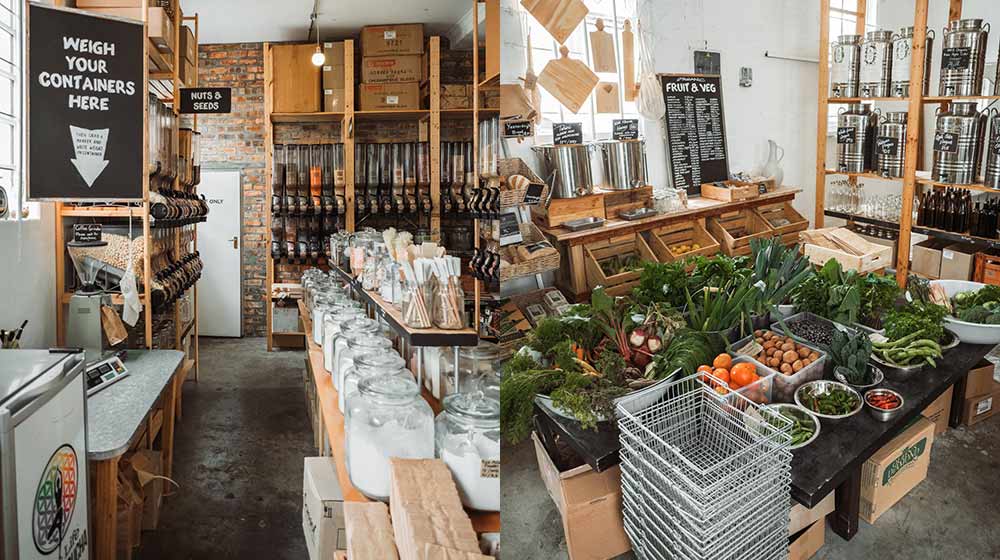
Cape Town is an easy place to travel lighter. Tap water is drinkable, weekend markets make loose produce the norm, and a growing network of refilleries and bulk aisles let you top up everything from oats to laundry liquid. Whether you’re self‑catering for a few days or road‑tripping the peninsula, this guide shows you exactly where to refill by area, what’s typically available, and the simple habits that keep plastic out of your suitcase and the ocean.
How refilleries work (and why travellers love them)
Refilleries follow a weigh‑and‑pay model: bring clean containers, fill with as much as you need, and pay by weight. Most offer paper bags or donated jars if you arrive empty‑handed. Many also operate in a “closed loop” with suppliers, returning their bulk drums to be refilled rather than binned. For travellers, that means you can:
- Buy a few days’ worth (not a month’s supply)
- Avoid duplicate toiletries and cleaning products
- Cut packaging, clutter and cost
Pro tip: Pack two or three lightweight screw‑top containers (250–500 ml), a couple of resealable silicone pouches, and a fold‑flat tote. That tiny kit unlocks nearly everything below.
What you can refill on holiday
You won’t need to hunt long—these categories are common across Cape Town’s refill and bulk spots:
- Pantry basics: oats, muesli, rice, pasta, flour, sugar, lentils, beans, quinoa, couscous
- Snacks and breakfast toppers: nuts, seeds, dried fruit, granola clusters, coconut flakes, cocoa nibs
- Spices and teas: whole and ground spices, spice blends, loose‑leaf teas
- Baking and condiments: baking powder, bicarb, nutritional yeast, salt, pepper, vinegar and oil (some shops)
- Coffee and cocoa: roasted beans or grounds, hot chocolate powder
- Cleaning essentials: dishwashing liquid, laundry liquid or powder, surface cleaner, toilet cleaner
- Body care: shampoo and conditioner (often in bar form and sometimes liquid), body wash, lotion, deodorant, toothpaste tablets, cotton rounds, safety‑razor blades
- Reusables and travel gear: bottles, insulated flasks, beeswax wraps, cutlery kits, collapsible cups, produce bags
Bring small containers for liquids and powders, and a jar for coffee or snack mixes. No jars? Most stores keep a “take a jar, leave a jar” shelf.
Refill and package‑free stops by area
Cape Town’s neighbourhoods each offer easy wins. Store hours shift with seasons and holidays; check before you go.
City Bowl, Bo‑Kaap and Woodstock
- Nude Foods (Zonnebloem/Woodstock area): A pioneer in Cape Town’s zero‑waste scene with wall‑to‑wall dry goods, cleaning refills and personal‑care basics. Great for short‑stay top‑ups and starter kits if you arrived without containers.
- Atlas Trading (Bo‑Kaap): A beloved, decades‑old spice emporium selling spices, pulses, rice and legumes loose by weight. Bring jars or ask for paper. The aromas alone make it a worthy stop after a walk through colourful Bo‑Kaap.
- Wellness Warehouse (Kloof Street and other central branches): Health‑store bulk bins for nuts, seeds and grains, plus plastic‑free toiletries (safety razors, shampoo bars, bamboo toothbrushes) and mineral sunscreens.
- Old Biscuit Mill, Woodstock (weekends): The Neighbourgoods‑style market isn’t a refillery, but you can buy bread, produce and cheese loose—perfect if you carry a container and beeswax wrap.
Staying nearby? Walk to the V&A Waterfront from a Charming Apartment puts you a quick rideshare or bus hop from the City Bowl and Woodstock markets, with an easy morning stroll to the weekend Oranjezicht City Farm Market at Granger Bay.
V&A Waterfront, Green Point and Mouille Point
- Oranjezicht City Farm Market (Granger Bay; Sat & Sun): The city’s flagship farmers’ market encourages container‑bringing. Stock up on loose produce, bakery loaves, olives, spreads and picnic fare without plastic.
- Health stores and delis around Green Point Stadium precinct: Expect plastic‑free swaps (solid soaps, refills of common dry goods, reusable bottles) and coffee counters that happily fill a keep‑cup.
Tip: If you’re Waterfront‑based, shop early at Oranjezicht to beat the brunch rush, then stroll the promenade with your refilled flask.
Atlantic Seaboard (Sea Point, Bantry Bay, Camps Bay)
- Regent Road, Sea Point: Independent delis, bakeries and roasteries routinely fill customer containers for beans, ground coffee and pastries. Many cafes offer a small discount for bringing a cup—ask at the till.
- Larger health‑store branches along the strip: Solid shampoo and conditioner bars, reef‑friendly sunscreen and travel tins are easy finds here.
Southern Suburbs and the South Peninsula
- Organic Zone (Lakeside): A long‑running wholefoods store known for bulk bins (grains, pulses, nuts), local produce and a good range of eco cleaning liquids you can decant into travel‑sized bottles.
- Claremont/Constantia health‑store cluster: Multiple outlets stock plastic‑free toiletries, refill‑friendly dry goods and lunchbox gear (steel containers, beeswax wraps) for peninsula day trips.
- Farm stalls en route to Noordhoek, Kommetjie and Scarborough: Buy loose fruit and veg for road‑snack boxes; bring a tote and produce bags.
Milnerton, Montague Gardens and Blaauwberg
- Food Lover’s Market and similar fresh‑produce hubs (Montague Gardens/Sable Square area): Scoop‑your‑own nuts, dried fruit and grains, plus abundant loose produce. Skip the roll of plastic bags by using mesh produce sacks.
- Weekly neighbourhood markets around Table View and Bloubergstrand (varies by season): Vendors typically welcome your containers for olives, pickles and deli items—just ask before they dish up.
Planning a seaside stay? Our Milnerton oceanfront apartments put you close to bulk‑friendly produce markets and a quick MyCiTi ride from the Waterfront and City Bowl:
- Amazing Ocean Views from Every Room.
- Postcard Views of Table Mountain. Generator for elevator.
A simple plastic‑free playbook for days out
Small habits add up quickly when you’re moving between beaches, hikes and markets.
- Water: Cape Town tap water is safe to drink. Fill a reusable bottle at your apartment, restaurants or cafés; many will top you up on request. On hot days, freeze a half‑full bottle overnight to keep it cold longer.
- Coffee and smoothies: Hand over a keep‑cup or sturdy jar. Most counters can tare‑weigh it or pour directly; lids off during weighing speeds things up.
- Takeaways and markets: Carry a light lunchbox and beeswax wrap. Vendors at weekend markets are used to no‑waste requests—smiles and a quick explanation go far.
- Groceries: Choose loose produce and bakery items; skip bag‑in‑bag packing. If you need a bag, ask for paper instead of plastic.
- Beverages: Where possible, pick returnable glass bottles (common for many local beers and some soft drinks). You’ll pay a small deposit that’s refunded when you return empties to bottle stores or supermarkets that accept them.
- Toiletries: Travel with solid bars (shampoo/soap) and toothpaste tablets to breeze through airport security and sidestep mini plastic.
- Laundry: Many refilleries sell small quantities of powder or liquid. If you use a laundromat, hand them your container with measured detergent inside.
- Beach and hikes: Mineral, reef‑considerate sunscreen; a small trash pouch for snack wrappers; and a microfibre cloth instead of wet wipes.
A two‑night, low‑waste self‑catering game plan
Use this as a template whether you’re city‑based or on the Atlantic coast.
- Breakfasts: Oats + dried fruit + seeds (all from bulk), plus fresh fruit. Coffee beans ground into your jar.
- Picnics: Bakery loaf in paper, local cheese, olives, cherry tomatoes, hummus (bring a container), apples or pears, and a bar of dark chocolate.
- Dinners: One‑pot pasta (bulk pasta, tomato, garlic, basil) and a herby lentil salad (bulk lentils, lemon, olive oil, herbs). Pick up a bunch of seasonal greens.
- Cleaning and laundry: 100–200 ml of dishwashing liquid and a handful of dishwasher powder tabs (if your place has a dishwasher). One or two laundry pods or a cup of powder—enough for a single wash.
- Toiletries: One shampoo bar and one small body soap covers a couple of weeks; swap with your travel partner to test scents.
Responsible disposal and easy wins
- Recycling: Rinse, dry and flatten. Glass, tins, paper/cardboard and many rigid plastics are widely accepted. If your host doesn’t offer a separate bin, ask for the nearest drop‑off site; many suburbs have convenient community or municipal drop‑offs.
- Soft plastics: Some supermarkets host collection points for clean, scrunchable plastics—check near entrances or at customer service and ask staff if unsure.
- Returnables: Keep a small crate or tote for deposit bottles and return them in one batch before you leave.
- Food waste: Cook what you buy; store leftovers in sealed containers. If you end up with peels or coffee grounds, ask a neighbourhood café or community garden if they accept compostables.
Packing list: the 8‑item Cape Town zero‑waste kit
- 750 ml reusable bottle (insulated if you love cold water on hikes)
- Keep‑cup or collapsible cup (350 ml)
- Spork or cutlery kit + cloth napkin
- 2 resealable silicone pouches (sandwich and snack size)
- 1–2 lightweight leak‑proof containers (250–500 ml)
- 3 mesh produce bags
- Beeswax wrap or a small lunchbox
- A tiny bottle of concentrated dish soap (or decant locally on arrival)
Where to base yourself for easy low‑waste shopping
- Waterfront walkers: Walk to the V&A Waterfront from a Charming Apartment puts weekend market bounty and city refilleries within effortless reach—perfect if you’re travelling hand‑luggage‑only.
- Ocean‑view meal preppers: In Milnerton, Amazing Ocean Views from Every Room. or Postcard Views of Table Mountain. Generator for elevator. make stocking up at bulk‑friendly produce markets simple—and your sunset picnic even better.
Travelling lighter in Cape Town doesn’t require perfection—just a bit of intention. Start with water, coffee and groceries, add one or two refills, and you’ll notice your bin (and your baggage) shrinking fast while you still taste the best of the city.